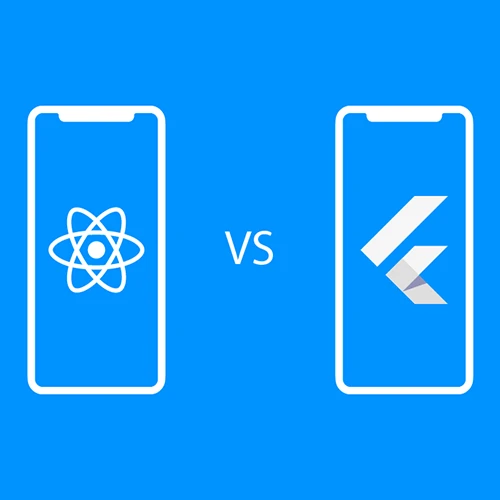

Continuous Integration and Deployment (CI/CD) is a crucial aspect of modern software development that aims to streamline the process of building, testing, and deploying applications. For developers working with Flutter and ReactJS, implementing CI/CD pipelines can help automate the software delivery process and ensure faster, more reliable releases. In this article, we will explore the importance of CI/CD for Flutter and ReactJS apps and discuss the best practices and tools available for implementing CI/CD in these frameworks.
Why is CI/CD Important?
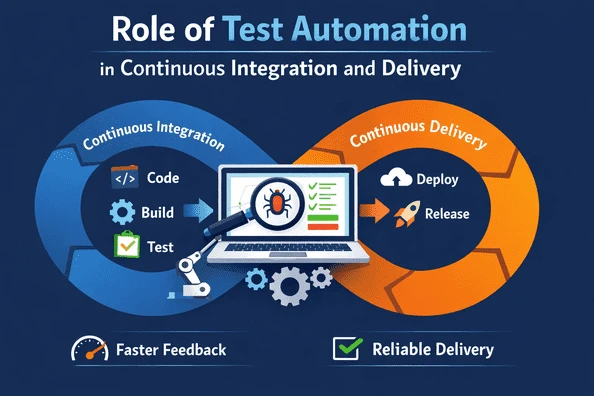
CI/CD brings numerous benefits to the development process, including:
Faster Development Cycles:
CI/CD allows developers to automate the process of building, testing, and deploying their applications, reducing manual effort and saving time. This enables faster iterations and shorter release cycles, allowing teams to deliver new features and updates more frequently.
Early Bug Detection:
With CI/CD, developers can automate tests to run on every code commit, ensuring that potential bugs and issues are identified early in the development process. This helps maintain code quality and reduces the chances of introducing critical bugs into production.
Increased Collaboration:
CI/CD encourages collaboration among team members by providing a central and automated process for integrating code changes and deploying applications. It enables developers, testers, and other stakeholders to work together seamlessly, improving overall team efficiency.
Improved Deployment Reliability:
By automating the deployment process, CI/CD reduces the risk of manual errors and inconsistencies. This leads to more reliable deployments and fewer instances of application downtime or issues in production.
CI/CD for Flutter Apps
Flutter App Development is a framework developed by Google for building cross-platform native mobile apps, can benefit from CI/CD practices to streamline the development and deployment processes. Here are some key considerations for implementing CI/CD for Flutter apps:
Build Automation:
Set up a build automation process to automatically compile Flutter code into executable binaries for different target platforms, such as Android and iOS. This can be achieved using tools like Jenkins, Travis CI, or GitLab CI/CD.
Automated Testing:
Implement automated tests for your Flutter app to ensure code quality and detect bugs early. Utilize testing frameworks like Flutter's built-in testing framework or popular third-party libraries like Flutter Test or Mockito.
Continuous Integration:
Integrate code changes from different developers or teams regularly to detect conflicts and ensure code stability. Use CI tools to automatically build and test the app whenever changes are pushed to the repository.
Code Quality Analysis:
Employ static code analysis tools, such as Dart Analyzer or SonarQube, to enforce coding standards, identify potential issues, and improve code quality.
Distribution and Deployment:
Utilize CI/CD tools to automate the distribution and deployment of Flutter apps to various app stores, such as Google Play Store and Apple App Store. This ensures that the latest version of the app is readily available to users.
CI/CD for ReactJS Apps
ReactJS, a popular JavaScript library for building user interfaces, can also benefit from CI/CD practices to streamline the development and deployment workflows. Here are some considerations for implementing CI/CD for ReactJS Development:
Build Automation:
Automate the build process of your ReactJS app using tools like webpack, Parcel, or Create React App. These tools help bundle and optimize your code for production.
Automated Testing:
Implement automated tests using testing frameworks like Jest, Enzyme, or React Testing Library. Write unit tests, integration tests, and end-to-end tests to ensure the quality and stability of your ReactJS app.
Continuous Integration:
Use CI tools like Jenkins, CircleCI, or GitHub Actions to automate the build, test, and integration processes. Configure your CI pipeline to trigger on code commits or pull requests, ensuring that code changes are thoroughly tested before being merged into the main branch.
Code Quality Analysis:
Utilize static code analysis tools, such as ESLint or Prettier, to enforce code style guidelines and detect potential issues. These tools can be integrated into your CI pipeline to automatically analyze and provide feedback on code quality.
Deployment Automation:
Automate the deployment of your ReactJS app using CI/CD tools. This can involve deploying the app to a staging environment for further testing and then promoting it to a production environment once it passes all tests and quality checks.
Conclusion
Implementing CI/CD practices for Flutter and ReactJS apps is essential for efficient and reliable software development. CI/CD enables faster development cycles, early bug detection, increased collaboration, and improved deployment reliability. For Flutter app development, consider automating the build process, implementing automated testing, and utilizing CI/CD tools for distribution and deployment. For ReactJS app development, automate the build process, employ automated testing, integrate code analysis tools, and automate deployment. By embracing CI/CD best practices in Flutter and ReactJS development, developers can ensure smoother and more efficient software delivery, ultimately enhancing the quality and reliability of their applications.


























Sign in to leave a comment.