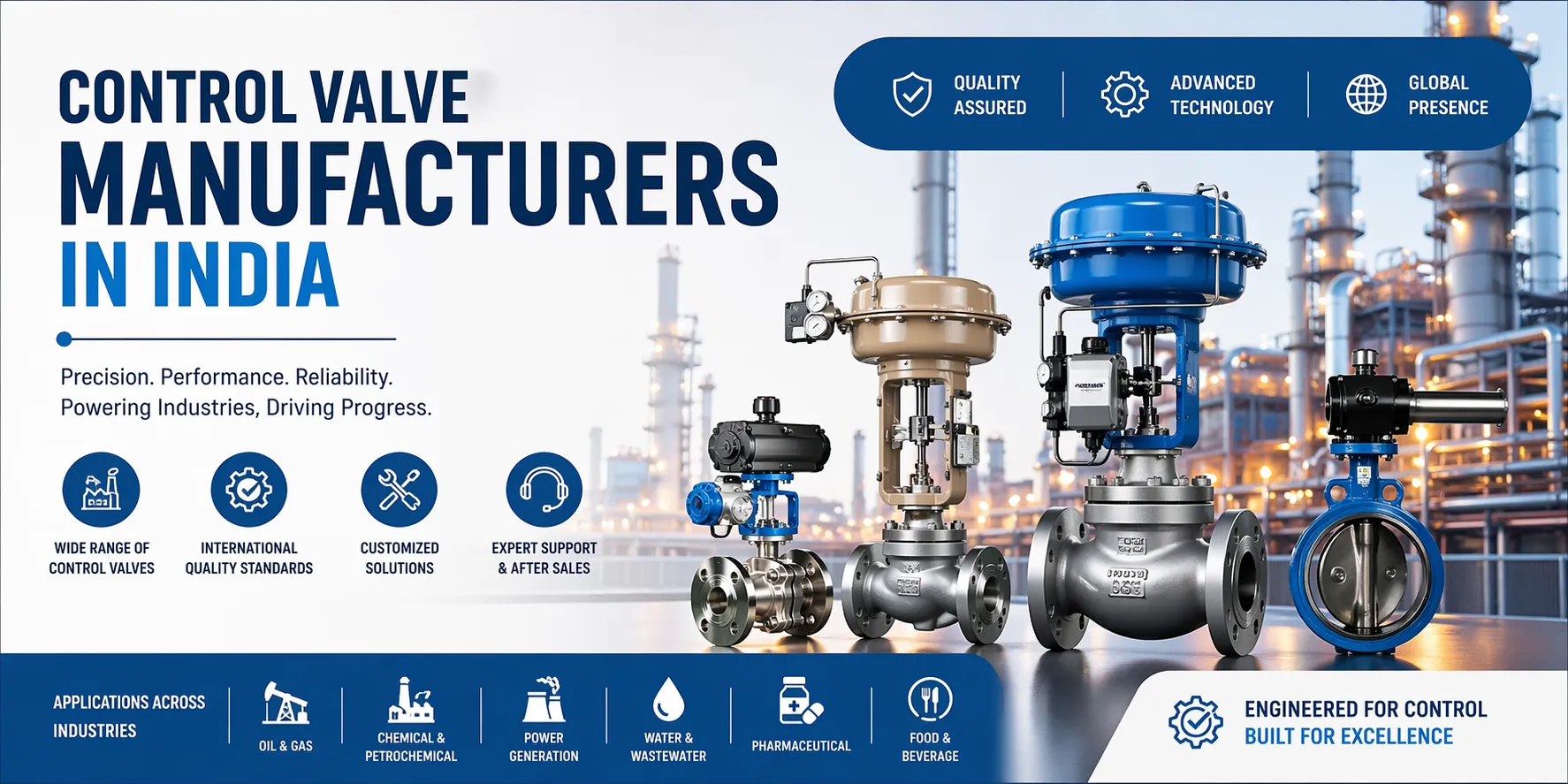
Control valves are at the heart of industrial automation. Whether it’s regulating steam in a power plant or controlling chemical flow in a refinery, these components ensure processes run safely, efficiently, and consistently. Over the years, Control Valve Manufacturers in India have built a strong reputation for delivering reliable, cost-effective, and technologically advanced solutions to both domestic and global industries.
This in-depth guide will help you understand how control valves work, the different types available, key standards followed, and where they are used—along with insights into why India has become a preferred hub for valve manufacturing.
What is a Control Valve and Why is it Important?
A control valve is a device used to regulate the flow, pressure, temperature, or level of a fluid within a system. It operates by adjusting the flow passage in response to signals from a controller, often as part of an automated process.
In simple terms, control valves act like “gatekeepers” of industrial systems. Without them, maintaining process stability would be extremely difficult, leading to inefficiencies, safety risks, and higher operational costs.
Today, Control Valve Manufacturers design valves that can handle extreme temperatures, high pressures, and corrosive environments—making them essential for modern industries.
How Control Valves Work
Control valves typically consist of three main components:
- Valve Body – The outer casing that contains the internal parts and connects to pipelines
- Actuator – The mechanism that moves the valve (can be pneumatic, electric, or hydraulic)
- Positioner – Ensures the valve reaches the correct position based on the control signal
When a system sensor detects a change (such as pressure or temperature), it sends a signal to the controller. The controller then instructs the actuator to open, close, or partially adjust the valve, maintaining the desired process condition.
Types of Control Valves Used in Industries
Different industrial processes require different valve designs. Leading Control Valve Manufacturers in India offer a wide range of options to suit specific applications.
1. Globe Control Valves
These are the most commonly used valves for precise flow control. Their design allows accurate throttling, making them ideal for applications where fine adjustments are required.
2. Ball Control Valves
Ball valves are known for their tight sealing and quick shut-off capabilities. They are widely used in oil and gas industries where leakage prevention is critical.
3. Butterfly Control Valves
Lightweight and cost-effective, butterfly valves are suitable for large flow systems such as water treatment plants and HVAC systems.
4. Gate Valves
Gate valves are primarily used for on/off operations rather than flow regulation. They are effective in applications where a straight-line flow with minimal restriction is needed.
5. Diaphragm Valves
These valves are designed for hygienic and sterile environments, making them ideal for pharmaceutical and food processing industries.
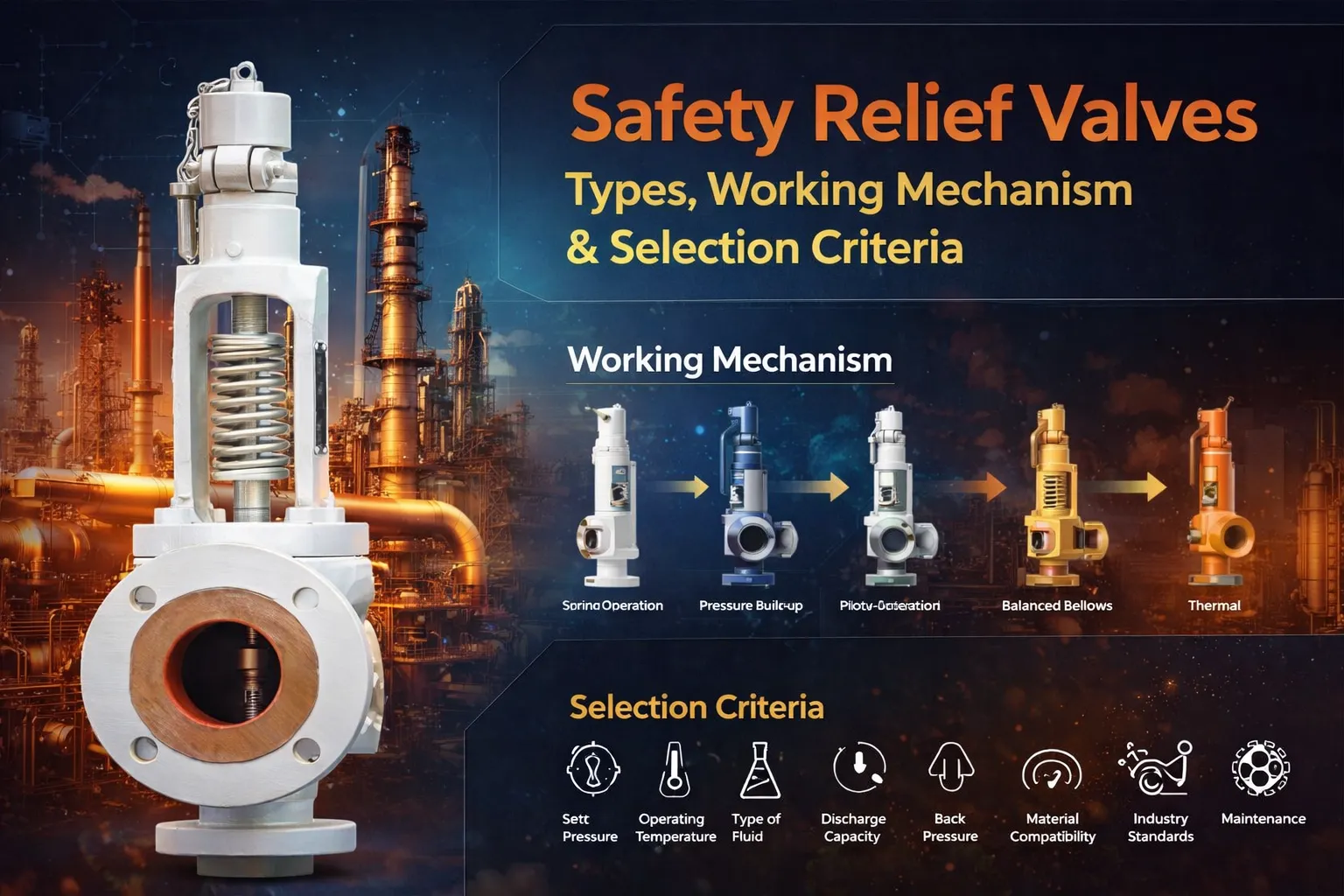
6. Pressure Relief and Pressure Control Valves
These valves help maintain system pressure within safe limits, preventing damage and ensuring safety.
Reliable Control Valve Manufacturers often provide customized valve solutions tailored to specific industrial requirements, ensuring optimal performance and longevity.
Standards Followed by Control Valve Manufacturers in India
Quality and safety are non-negotiable in industrial equipment. To meet global expectations, Control Valve Manufacturers in India adhere to several national and international standards.
ISO (International Organization for Standardization)
Ensures consistent quality, safety, and efficiency across manufacturing processes.
ANSI (American National Standards Institute)
Defines valve dimensions, pressure ratings, and material specifications.
API (American Petroleum Institute)
Critical for valves used in oil and gas applications, ensuring durability and safety.
ASME (American Society of Mechanical Engineers)
Focuses on pressure vessel and piping system design standards.
BIS (Bureau of Indian Standards)
Ensures compliance with Indian safety and quality regulations.
Following these standards ensures that valves perform reliably even under demanding conditions and meet global export requirements.
Key Applications of Control Valves
Control valves are used across a wide range of industries. Their role may vary, but their importance remains constant—ensuring process control and safety.
Oil and Gas Industry
Control valves regulate the flow of crude oil, natural gas, and refined products. They are essential in upstream, midstream, and downstream operations.
Power Generation
In thermal and nuclear power plants, control valves manage steam and water flow, directly impacting efficiency and safety.
Chemical and Petrochemical Industry
These industries require precise handling of hazardous and corrosive fluids, making high-quality valves essential.
Water and Wastewater Treatment
Control valves help manage water distribution, filtration, and pressure control in treatment plants.
Pharmaceutical Industry
Maintaining sterile conditions and precise fluid control is critical, which is why specialized valves are used.
Food and Beverage Industry
Valves ensure hygienic processing and consistent product quality during manufacturing.
The growing demand in these sectors has significantly boosted the growth of Control Valve Manufacturers in India, positioning them as key players in the global market.
Why India is a Leading Hub for Control Valve Manufacturing
India has emerged as a preferred destination for sourcing industrial valves. Several factors contribute to this growth:
Skilled Engineering Expertise
India has a large pool of highly skilled engineers and technicians specializing in valve design and manufacturing.
Cost-Effective Solutions
Manufacturers offer competitive pricing without compromising on quality, making them attractive to global buyers.
Advanced Manufacturing Technologies
Modern facilities use CNC machining, automation, and testing equipment to ensure precision and reliability.
Strong Export Capabilities
Indian manufacturers export valves to regions such as the Middle East, Europe, Africa, and North America.
Customization and Flexibility
Many Control Valve Manufacturers provide tailored solutions based on specific industry requirements, which is a major advantage.
Factors to Consider When Choosing the Right Manufacturer
Selecting the right partner is crucial for long-term operational success. Here are some important factors to evaluate:
- Quality Certifications – Ensure compliance with ISO, API, and other standards
- Industry Experience – Look for manufacturers with a proven track record
- Product Range – A diverse portfolio indicates strong expertise
- Customization Capability – Ability to design valves for specific applications
- After-Sales Support – Maintenance and technical assistance are essential
- Delivery Reliability – Timely supply is critical for industrial operations
Working with trusted Control Valve Manufacturers in India helps reduce downtime, improve efficiency, and ensure system safety.
Emerging Trends in Control Valve Technology
The control valve industry is evolving with advancements in digital technology and automation. Some key trends include:
- Smart Valves with IoT Integration – Real-time monitoring and remote operation
- Predictive Maintenance – Using data analytics to prevent failures
- Energy-Efficient Designs – Reducing operational costs and environmental impact
- Advanced Materials – Improved resistance to corrosion and extreme conditions
- Automation and AI Integration – Enhancing process control and decision-making
These innovations are shaping the future of Control Valve Manufacturers, enabling them to deliver smarter and more efficient solutions.
Conclusion
Control valves are essential components that ensure smooth and safe industrial operations. From regulating flow to maintaining pressure and temperature, their role cannot be overlooked. With a strong focus on quality, innovation, and global standards, Control Valve Manufacturers in India have established themselves as reliable partners for industries worldwide.
As technology continues to evolve and industrial demands grow, choosing the right manufacturer becomes even more important. By understanding valve types, standards, and applications, businesses can make informed decisions and ensure long-term operational success with the right Control Valve Manufacturers.


























Sign in to leave a comment.