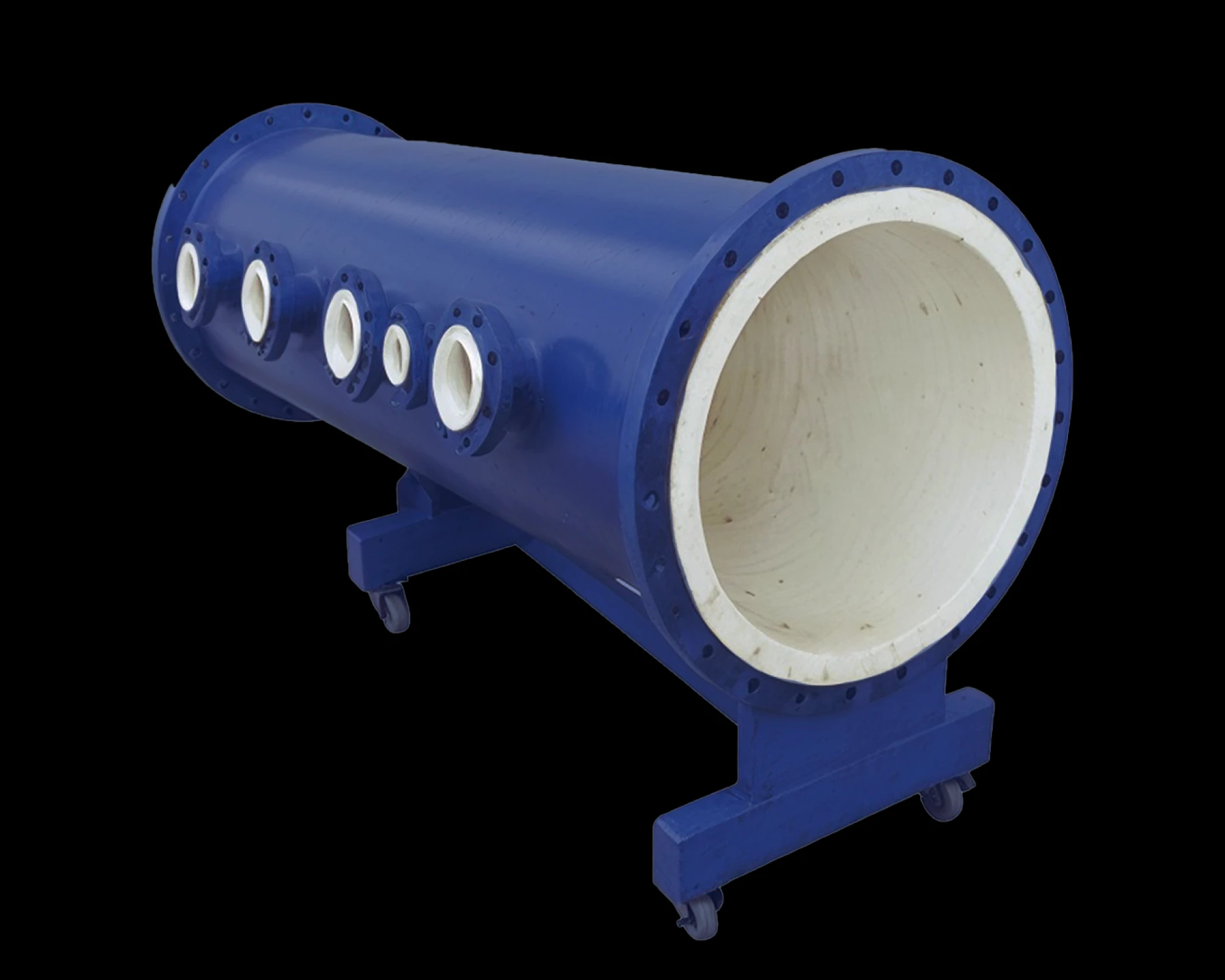

Water treatment processes often involve harsh chemicals, extreme pH levels, and prolonged exposure to corrosive agents. In such environments, PTFE lined tanks and vessels have proven to be indispensable for maintaining structural integrity and ensuring chemical compatibility. These linings provide a protective barrier that resists degradation, ensuring safe storage, mixing, and handling of aggressive substances used in water and wastewater treatment.
Understanding PTFE Lining in Water Treatment
PTFE (Polytetrafluoroethylene) is a chemically inert and thermally stable material commonly used to line the interior surfaces of tanks and vessels. When used in water treatment applications, PTFE linings help contain corrosive fluids like hydrochloric acid, sodium hypochlorite, and ferric chloride without damaging the containment structure.
The long-lasting nature of PTFE, along with its resistance to scaling and chemical attack, makes it ideal for applications in both municipal and industrial water treatment plants.
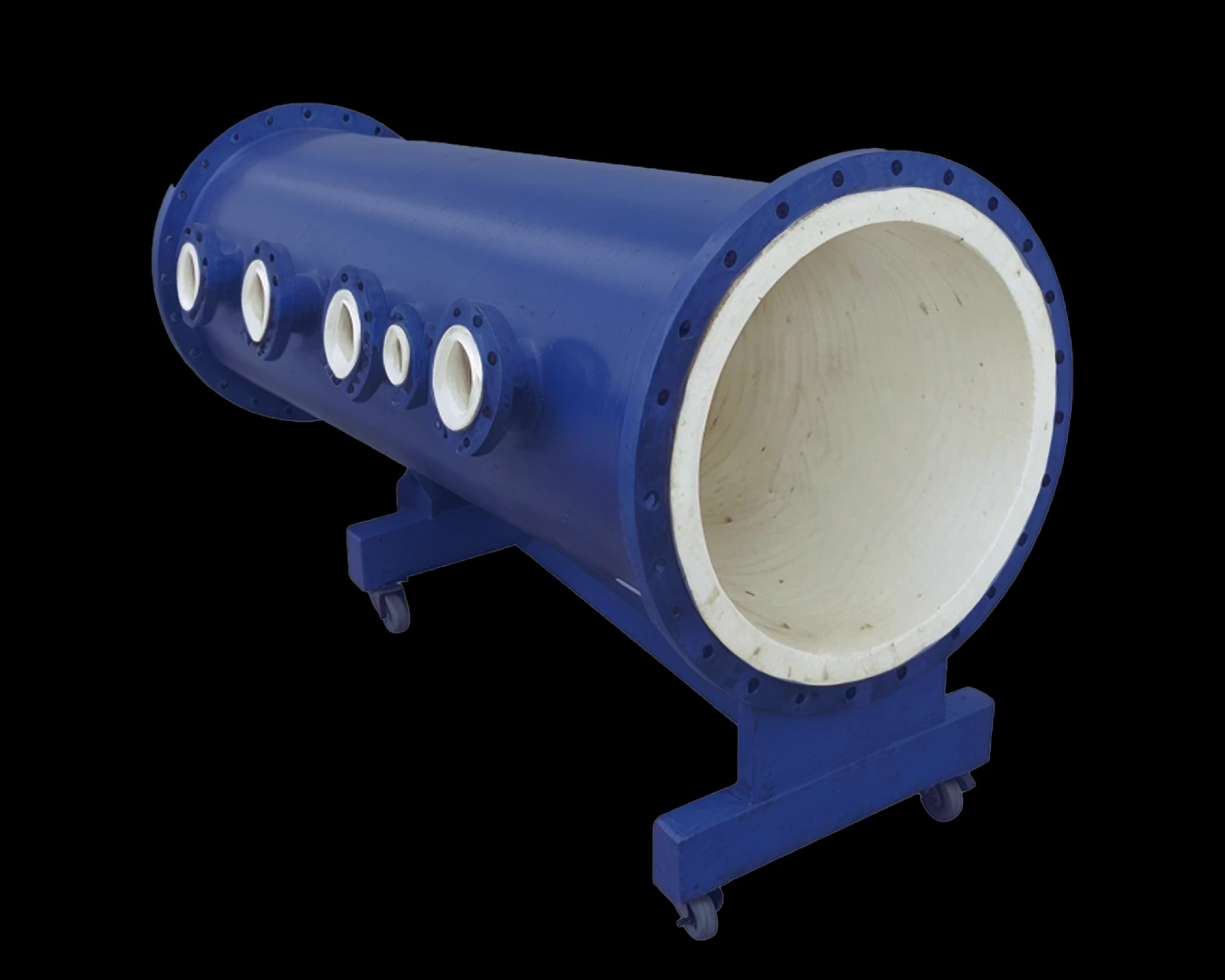
Typical Applications in the Water Treatment Sector
PTFE lined tanks and vessels are widely used in water treatment facilities where aggressive chemicals are stored or dosed. Key applications include:
- Chemical storage tanks
- Acids, alkalis, and coagulants used for water treatment are stored in PTFE lined vessels to prevent corrosion and leakage.
- Neutralization tanks
- Vessels used to adjust the pH of water often handle both acidic and basic solutions, requiring chemically resistant linings.
- Dosing and mixing vessels
- PTFE lined vessels are employed in the preparation and dosing of chlorine, alum, or polymer solutions for water purification.
- Wastewater treatment processes
- Effluent treatment plants benefit from PTFE lined vessels to safely store and process sludge conditioning agents and cleaning solutions.
Advantages of PTFE Lined Tanks in Water Treatment Operations
The demanding environment of water treatment facilities necessitates equipment that can endure chemical stress and variable conditions. PTFE lined tanks offer:
- Exceptional chemical resistance
- PTFE withstands a wide range of corrosive chemicals, eliminating the risk of tank wall degradation and contamination.
- Low maintenance requirements
- The non-stick nature of PTFE prevents scale and residue buildup, reducing cleaning time and operational costs.
- Improved safety and compliance
- Leakage or corrosion from chemical tanks can pose environmental and safety risks. PTFE lined tanks help meet safety and regulatory standards.
- Extended equipment lifespan
- The use of PTFE linings significantly extends the usable life of steel vessels by shielding them from corrosive substances.
Custom Designs for Industry Needs
In water treatment plants, tanks are often designed with customized linings, fittings, and accessories. PTFE lined tanks can be configured with:
- Level indicators and overflow controls
- Vent scrubbers to manage chemical fumes
- External insulation and heating jackets for temperature-sensitive operations
- Conical bottoms and agitators for easy drainage and mixing
Industries such as pharmaceuticals, petrochemicals, power plants, and municipal utilities rely heavily on these solutions for operational reliability and safety.
The use of PTFE lined tanks and vessels in water treatment applications is driven by their ability to handle aggressive chemicals while ensuring operational efficiency and regulatory compliance. Their resistance to corrosion and ease of maintenance make them a long-term, cost-effective investment for any water treatment facility.
To ensure safety and performance, collaboration with experienced PTFE lined vessel manufacturers is recommended, especially those familiar with the unique needs of industrial and municipal water treatment sectors.

























Sign in to leave a comment.