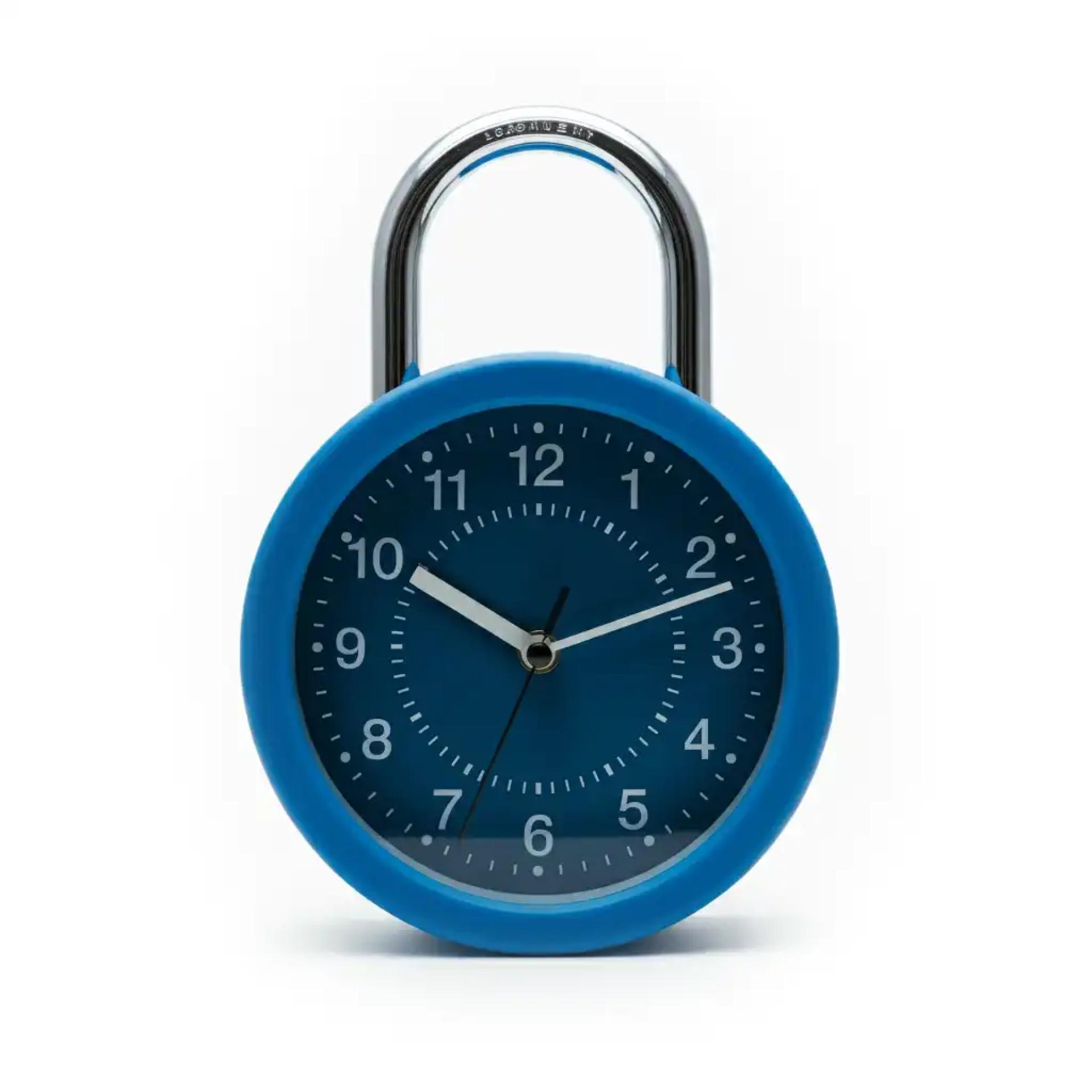

In the modern manufacturing landscape, where operational efficiency and productivity directly impact the bottom line, one hidden culprit continues to eat away at profits—time theft. It may not be as visible as broken machinery or delayed shipments, but its effects can be just as damaging. For manufacturers aiming to increase efficiency and reduce overhead costs, learning how to stop time theft in manufacturing is essential.
Time theft occurs when employees are paid for time they did not actually work. This can happen intentionally or unintentionally and may range from buddy punching and extended breaks to misuse of mobile phones or internet during work hours. Regardless of the form, time theft causes substantial losses and disrupts workflow.
In this article, we explore what time theft looks like in the manufacturing world, why it happens, and most importantly, how to stop time theft in manufacturing through practical strategies and technological solutions.
Understanding Time Theft in the Manufacturing Sector
Manufacturing environments typically involve multiple shifts, large labor forces, and tight production schedules. With such complexity, monitoring every minute of work can be a daunting task. This is where time theft often finds its loopholes.
Common examples of time theft include:
- Buddy punching: One employee clocks in for another who is not yet on-site.
- Extended or frequent breaks: Workers taking longer lunch or restroom breaks than allowed.
- Non-work-related activities: Using smartphones, chatting, or browsing the internet during production time.
- Early punch-ins or late punch-outs: Workers manipulating time logs to appear more productive.
Even small instances of these behaviors, when multiplied across many employees and days, can result in significant financial losses.
The Cost of Ignoring Time Theft
Some organizations underestimate the cost of time theft, especially when it's not easily visible. But the losses add up quickly. According to a study by the American Payroll Association, time theft can cost businesses up to 7% of their gross annual payroll.
For manufacturing companies where labor is one of the biggest expenses, this can be particularly devastating. More importantly, time theft:
- Reduces productivity and output.
- Causes inefficiencies in scheduling and planning.
- Fosters a toxic work culture where dishonesty may be tolerated.
- Leads to burnout among honest employees picking up the slack.
Hence, tackling this issue proactively becomes critical for sustainable growth.
Why Time Theft Happens in Manufacturing
To effectively stop time theft, it’s crucial to understand its root causes. Several factors contribute to this issue in manufacturing environments:
1. Lack of Supervision
With sprawling factory floors and large teams, direct supervision is often limited. This lack of oversight can embolden employees to misuse time.
2. Inadequate Time-Tracking Systems
Outdated systems like manual punch cards are easy to manipulate. Without advanced monitoring tools, it's hard to verify attendance and activity.
3. Low Employee Engagement
Workers who feel disconnected, undervalued, or overworked may be more likely to engage in time theft as a form of rebellion or relief.
4. Cultural Tolerance
In some companies, time theft is considered "normal" behavior. Without clear policies or consequences, this becomes a learned behavior across teams.
Proven Strategies to Stop Time Theft in Manufacturing
Now that we’ve examined what time theft is and why it occurs, let’s discuss how to effectively stop time theft in manufacturing settings. The goal isn’t just about surveillance—it’s about creating an environment that discourages misuse of time while promoting accountability and engagement.
1. Implement Biometric Time Clocks
One of the most effective tools against buddy punching and fraudulent clock-ins is biometric time tracking. Fingerprint, retina, or facial recognition technology ensures that only the actual employee can clock in and out. These systems are also harder to tamper with compared to traditional cards or PINs.
Key Benefits:
- Accurate time logs
- Eliminates buddy punching
- Seamless integration with payroll systems
2. Utilize Scheduling Software
Modern scheduling software allows managers to plan shifts, monitor attendance in real time, and even forecast labor needs based on production demand. These systems send alerts for irregularities like late check-ins or early departures and can create digital records for audits.
Look for features such as:
- Real-time attendance tracking
- Geofencing (for field employees)
- Automated shift reminders
- Mobile app integration
3. Set Clear Policies and Expectations
Having clear attendance and break policies is non-negotiable. Ensure that employees are well-informed about:
- What constitutes time theft
- Allowed break times
- Consequences of policy violations
These should be included in the employee handbook, onboarding process, and reinforced through regular communication.
4. Conduct Regular Audits
Performing surprise audits or random checks of time sheets and production logs can help identify patterns of abuse. Pair time data with production output metrics to detect discrepancies.
For example:
- A worker clocking 8 hours but only producing 4 hours’ worth of output may be underutilizing time.
- Comparing output between shifts may also highlight systemic inefficiencies.
5. Improve Workplace Engagement
Engaged employees are less likely to commit time theft. Managers should focus on building a culture of trust, accountability, and respect. Consider:
- Recognizing and rewarding productivity
- Offering career development opportunities
- Conducting regular feedback sessions
When employees feel valued, they’re more likely to give their best efforts.
6. Install CCTV Surveillance Strategically
While you don’t want to create a "Big Brother" atmosphere, having visible security cameras in key areas—like entry points, break rooms, and time clock stations—can deter misconduct. Footage can also serve as evidence in case of disputes.
7. Promote Transparent Communication
Allow employees to voice concerns about scheduling, overwork, or unfair policies. Often, time theft stems from miscommunication or unresolved grievances. An open-door policy can improve morale and reduce dishonest behaviors.
8. Leverage IoT and AI Technology
Advanced manufacturers are turning to Internet of Things (IoT) devices and AI to track machine usage, employee presence, and workflow progress in real time. These tools provide:
- Real-time alerts
- Detailed productivity analytics
- Integration with ERP systems
AI can detect abnormal behavior like extended idle time or excessive non-productive hours, prompting timely intervention.
Case Study: A Real-World Example
A mid-sized auto parts manufacturer in Ohio struggled with declining productivity despite full staffing. After an internal audit revealed excessive unaccounted hours and buddy punching, the company installed biometric clocks and upgraded to an AI-enabled time tracking system. Over six months, they reported:
- 18% increase in output per shift
- 30% reduction in payroll discrepancies
- Dramatic decline in late arrivals
This transformation proves that targeted interventions can yield measurable results.
Legal and Ethical Considerations
Before implementing surveillance or tracking technologies, consult legal counsel to ensure compliance with labor laws and privacy regulations. Transparency is key—inform your employees about the monitoring systems, why they’re in place, and how the data will be used.
Final Thoughts
In a competitive manufacturing industry, every second counts. Time theft—no matter how minor—has a compounding effect on productivity and profit. Whether it’s a few extra minutes on a break or systematic buddy punching, the cost adds up fast.
Fortunately, the tools and strategies to stop time theft in manufacturing are readily available. By combining technology, clear policies, and a strong workplace culture, manufacturers can reclaim lost hours, boost productivity, and build a more accountable workforce.
Don’t let invisible inefficiencies derail your operations. Take proactive steps today to stop time theft in manufacturing and ensure every minute on your shop floor truly counts.






























Sign in to leave a comment.