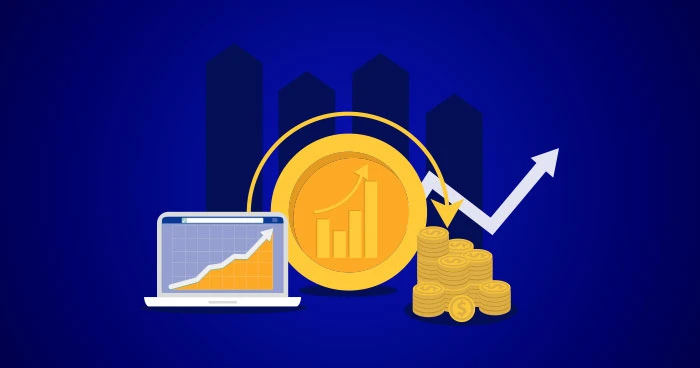

SRecurring billing analytics is the study and forecasting of customer billing information. This activity's data insights aid in enhancing recurring revenue and other financial activities. To find patterns, trends, and anomalies, it entails examining billing records, invoices, payment data, and other financial information.
Despite being a complete process in and of itself, revenue generation is intertwined with numerous other subscription business operations. Recurring billing is one of them.
In this blog, we'll examine the top three justifications for keeping an eye on customer information, which include:
Anomalies in BillingInnovative Business PerspectivesDetecting fraudGrowth of a sustainable businessProfit MaximizationAnomalies in Billing
Businesses used to keep written records of bills and invoices before technology awed the world. And in the past, these records were examined to prevent payment leaks and fraud. Many people believe that the rise of automation and digitalization has made the process of reviewing billing records easier. According to our specialists, as the world of digitalism developed, so did the ways in which crimes and fraud were committed.
So, we're here to inform you about how billing analytics will support the search for billing irregularities.
Under- and overcharging Redundant billing Billing for unlicensed goods or servicesErroneous pricingVariations in the intervals and billing cyclesBilling inconsistenciesAnomalies in paymentsFor subscription organizations to keep correct financial records, guarantee customer happiness, and stop income leakage, it is crucial to identify and address billing abnormalities. Experts in data can find all these billing abnormalities thanks to the ongoing monitoring of billing data.
Innovative Business Perspectives
Without futuristic business insights, it is difficult to compete in the subscription business market. For instance, if an eCommerce site sells summer subscription boxes, it cannot plan for the coming season without keeping track of the billing information from the previous year. The client's buying behavior is demonstrated by this data.
Billing information makes it simple to identify the top-selling subscription boxes. In the upcoming months, businesses can optimize their pricing models, boost client retention, and customize their marketing efforts by better understanding customer behavior.
The identification of process flaws, inefficiencies, and bottlenecks in billing processes is made possible through billing analytics. By optimizing billing procedures, businesses can reduce errors, increase accuracy, and boost overall operational efficiency. Subscription organizations now keep an eye on their competitors' data in addition to their own billing analytics. Data has the highest value today to deal with modern business trends.
Detecting fraud
By looking at billing data, billing analytics can identify anomalous trends or outliers in transactions. These anomalies can take many different forms, such as unusual invoice amounts, sudden changes in billing frequency, or odd billing patterns. Such deviations from the norm could indicate dishonest behavior. Analytics applied for billing can find recurring patterns or groups of transactions connected to fraud.
Billing analytics can use rule-based systems to detect transactions for suspected fraud that fulfill predetermined criteria. Specific billing thresholds, unique product or service combinations, or transactions with well-known fraudulent trends are a few examples of these criteria.
Growth of a sustainable business
Businesses can pinpoint underperforming goods or services, improve pricing plans, and hone upselling and cross-selling efforts by reviewing billing data. The improvement of revenue creation aids in long-term business expansion. You must seek and recognize chances for cost-saving measures in the subscription business sector. Billing analytics display all billing process inconsistencies so that you can address them and increase payments for the subscription plans sold.
It is difficult for the subscription business community today to advance in a way that allows them to set aside resources in order to achieve long-term business success. Here, analytics sets the standard for displaying all opportunities for resource management and expenditure.
Profit Maximization
We have now covered the secondary justifications for choosing analytics and reporting for subscription businesses, so let's move on to the primary one. The ability to analyze data is a key component of revenue optimization. Additionally, subscription revenue is thought to be the most predictable. That is due to analytics as well. Analyses of billing data make obvious the patterns of client behavior. Data analysis will:
Deliver useful insights Determine any revenue leakage Reduce client attritionInvoicing analytics also identifies patterns of income leakage, such as incorrect invoicing or unused services, enabling firms to take corrective action.
Additionally, organizations may proactively manage customer churn, customize offers, and adopt targeted retention tactics by acquiring a thorough understanding of customer behavior through analytics, thereby optimizing recurring income.
Realize the value of data insights if you want to go forward successfully. Develop a strategy for corporate growth driven by insights. Users can access insights from client data through Work 365.
In addition to billing data, you can also keep an eye on recurring revenue insights here. It is a one-stop shop for subscription organizations so they may make use of billing site information to influence the revenue side.
Work 365 is a Microsoft CSP Automation and Subscription Billing Best Practices for Microsoft Partners to streamline the billing and invoicing process.























Sign in to leave a comment.