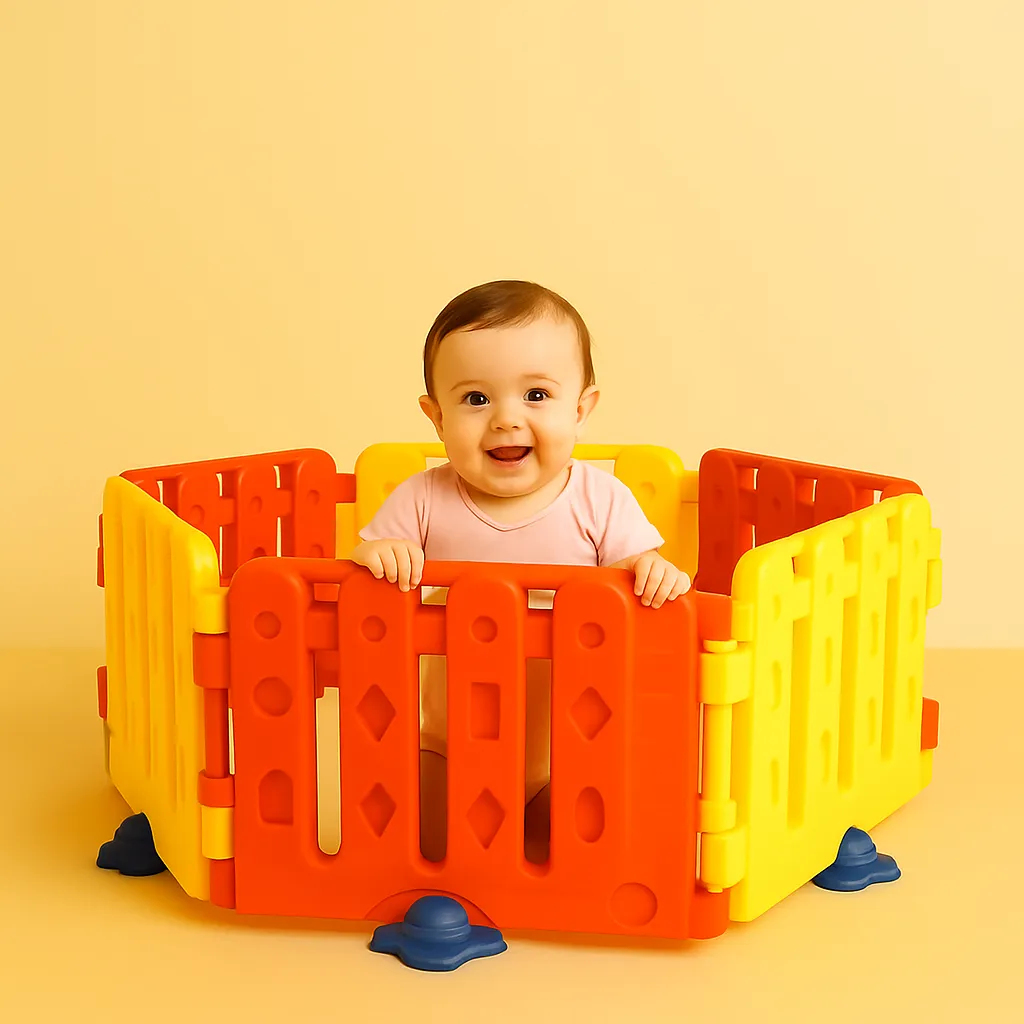

Children need space to move, explore, play, and discover their surroundings. At home, however, everyday objects such as furniture, electrical points, stairs, sharp corners, and small items can make unrestricted play difficult to manage.
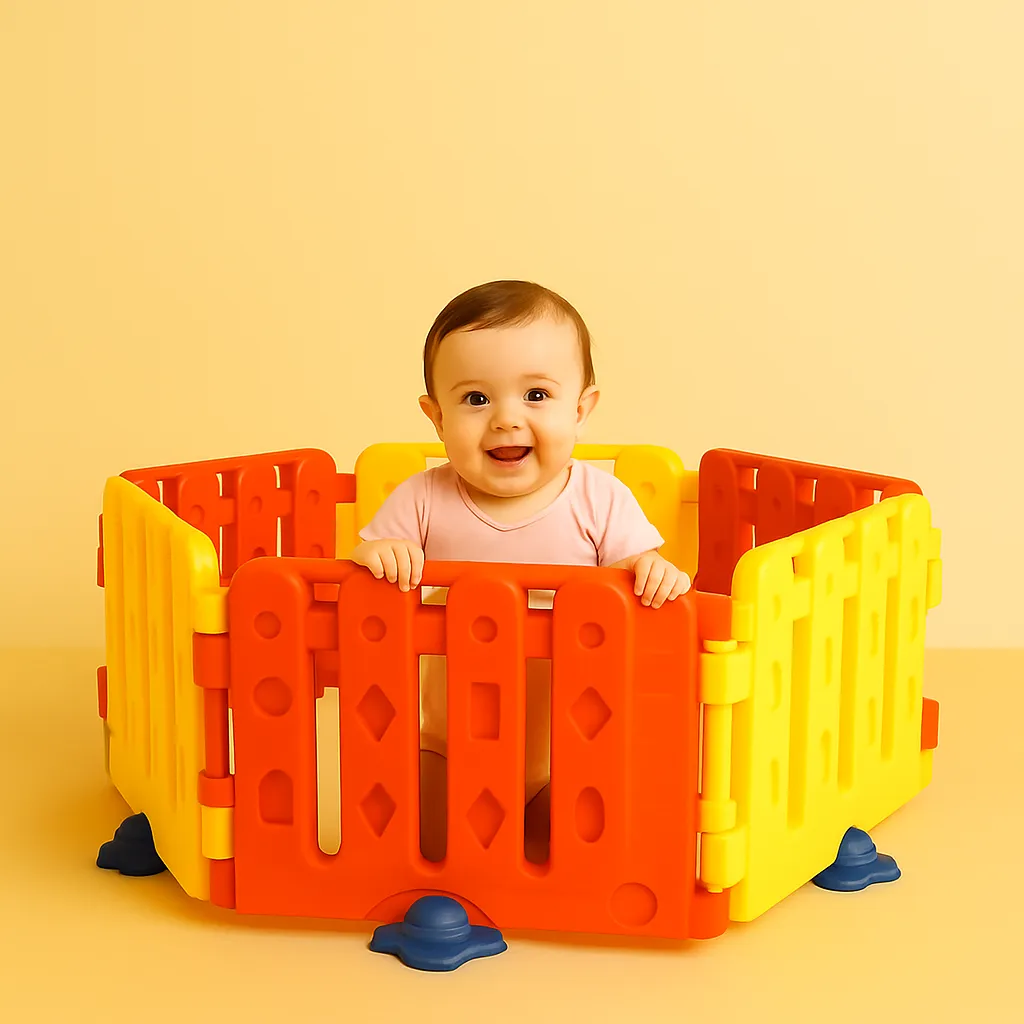
Creating a dedicated play zone can help provide children with an organised space where they can enjoy their toys and activities more comfortably. A playpen can be a practical way to define this area while helping parents manage playtime more easily.
Why Create a Dedicated Play Zone at Home?
A dedicated play area gives children a familiar place for independent and supervised activities. Instead of toys being scattered throughout the room, parents can keep commonly used play items within one defined space.
Using a playpen also creates a visible boundary between the child's activity area and parts of the home that may contain unsuitable objects. This can be particularly useful in living rooms, bedrooms, or other shared spaces where creating a separate playroom may not be possible.
However, an enclosed play area should not be considered a substitute for adult supervision. It works best as one part of a broader approach to creating a child-friendly home environment.
Choose the Right Location
The first step is deciding where the play zone should be created. Look for an area that is easy for an adult to observe and away from common household hazards.
Avoid positioning the playpen close to stairs, fireplaces, heaters, windows, electrical cords, heavy furniture, or objects that a child could reach through or over the boundary. The surrounding area matters just as much as the space inside.
A flat, uncluttered location with enough room around the enclosure makes it easier for adults to access the child when necessary. Ideally, the play zone should also be located in a comfortable part of the room with suitable ventilation and lighting.
Check the Floor Surface
Children may sit, crawl, roll, stand, or move around while playing, so the floor deserves careful attention. Check the surface for small objects, sharp items, uneven sections, or anything else that could interfere with movement.
Before setting up the playpen, clean the area and remove anything that does not belong in the child's play space. If a mat or other floor covering is used, make sure it is appropriate for the child's age and does not create loose edges or other avoidable hazards.
Regularly checking the floor is important because small household items can easily find their way into play areas.
Keep the Play Area Simple
It can be tempting to fill a child's play zone with many different toys, but more is not always better. A simpler environment can provide enough room for children to move around and interact with individual toys.
Inside the playpen, keep only age-appropriate items that are suitable for the child's current stage of development. Toys with damaged parts, loose pieces, long cords, or other potential hazards should be kept out.
Parents can also rotate toys rather than keeping everything available at once. This keeps the area organised while giving children different activities to explore over time.
Inspect the Setup Regularly
A play zone should not be treated as a one-time setup. Children develop quickly, and an arrangement that works at one stage may need to change once they begin crawling, pulling themselves up, or becoming more active.
Check the playpen regularly for loose connections, damaged components, unstable sections, gaps, or other signs of wear. Follow the manufacturer's instructions regarding setup, age suitability, weight limits, and maintenance.
The surrounding room should also be reassessed as the child's reach and mobility increase. Items that were previously inaccessible may become reachable as the child grows.
Avoid Placing Climbable Objects Near the Edges
As children become more mobile, they may use objects to pull themselves up or attempt to climb. Avoid placing large toys, boxes, stools, cushions, or other objects near the sides if they could be used as climbing aids.
Keeping the centre of the playpen relatively open provides more usable floor space and reduces unnecessary clutter around the edges. Parents should continue adjusting the contents as their child's physical abilities develop.
Make the Space Engaging
Safety is the priority, but the area should still encourage enjoyable play. Depending on the child's age, the space can include soft toys, sensory toys, activity toys, picture books, or other suitable play materials.
A playpen can also support different activities throughout the day. One session might focus on independent toy exploration, while another could include reading, stacking, sorting, or interactive play with a parent.
Keeping activities varied can make the defined space feel like a positive play environment rather than simply an enclosure.
Maintain Cleanliness and Organisation
Children frequently touch toys and floor surfaces, so regular cleaning is important. Clean the playpen according to its care instructions and wash or wipe toys based on their materials.
Remove damaged toys promptly and check frequently for small objects that may have entered the area accidentally. Simple organisation also makes it easier to notice when something does not belong in the space.
A Practical Space for Everyday Play
Creating a dedicated play zone can make everyday routines easier while giving children a defined area for exploration and activity. The key is to choose an appropriate location, remove surrounding hazards, provide suitable toys, maintain cleanliness, and adjust the setup as the child grows.
When thoughtfully positioned and regularly inspected, a playpen can help parents create a practical and organised play area within the home. Combined with active adult supervision and age-appropriate play materials, it can become a useful part of a comfortable home environment where children have room to play, learn, and explore.



























Sign in to leave a comment.