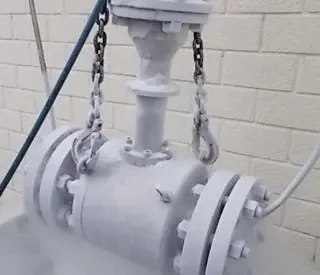

In modern industrial systems, valves function as the control points—or “faucets”—of fluid transport networks, regulating the flow of liquids and gases. Their performance and reliability directly influence the safety, efficiency, and stability of the entire system. This is especially true in Liquefied Natural Gas (LNG) receiving stations, where extreme temperature conditions and stringent sealing requirements make cryogenic ball valves indispensable. This article explores the key factors that affect the sealing performance of cryogenic ball valves and outlines strategies for optimization, providing valuable insights for technical enhancement across related industries.
Wide Applications and Challenges of Cryogenic Ball Valves
Due to their compact structure, minimal installation space, and self-sealing capability under pressure, ball valves are widely used across diverse industrial applications. In LNG receiving stations alone, cryogenic ball valves account for approximately 80% of all installed valves. However, over time, these valves may develop internal leakage—a critical issue that can disrupt operations and pose significant safety risks. Therefore, understanding the sealing mechanisms of cryogenic ball valves and the factors influencing them is essential for improving reliability and ensuring safe, long-term operation.
Key Factors Affecting Cryogenic Ball Valve Sealing Performance
The sealing performance of a cryogenic ball valve depends on several interrelated factors that jointly determine its effectiveness under extremely low temperatures. Identifying and understanding these key elements enables targeted improvements in design, material selection, and manufacturing processes.
1. Quality of the Sealing Pair
The sealing pair—comprising the ball and the valve seat—is the core determinant of sealing performance. Two critical indicators define its quality: ball roundness and surface roughness of the contact area.
- Ball Roundness: The closer the ball approaches perfect roundness (typically grade 9 or better), the tighter and more uniform its fit with the valve seat, resulting in reduced leakage.
- Surface Roughness: While smoother surfaces improve sealing, even the most polished metal surfaces have microscopic irregularities exceeding 0.1 μm—significantly larger than the diameter of a water molecule. Hence, surface smoothness alone cannot eliminate leakage.
Strict control over the machining precision and surface treatment of the sealing pair not only enhances sealing performance but also prolongs service life.
2. Sealing Specific Pressure
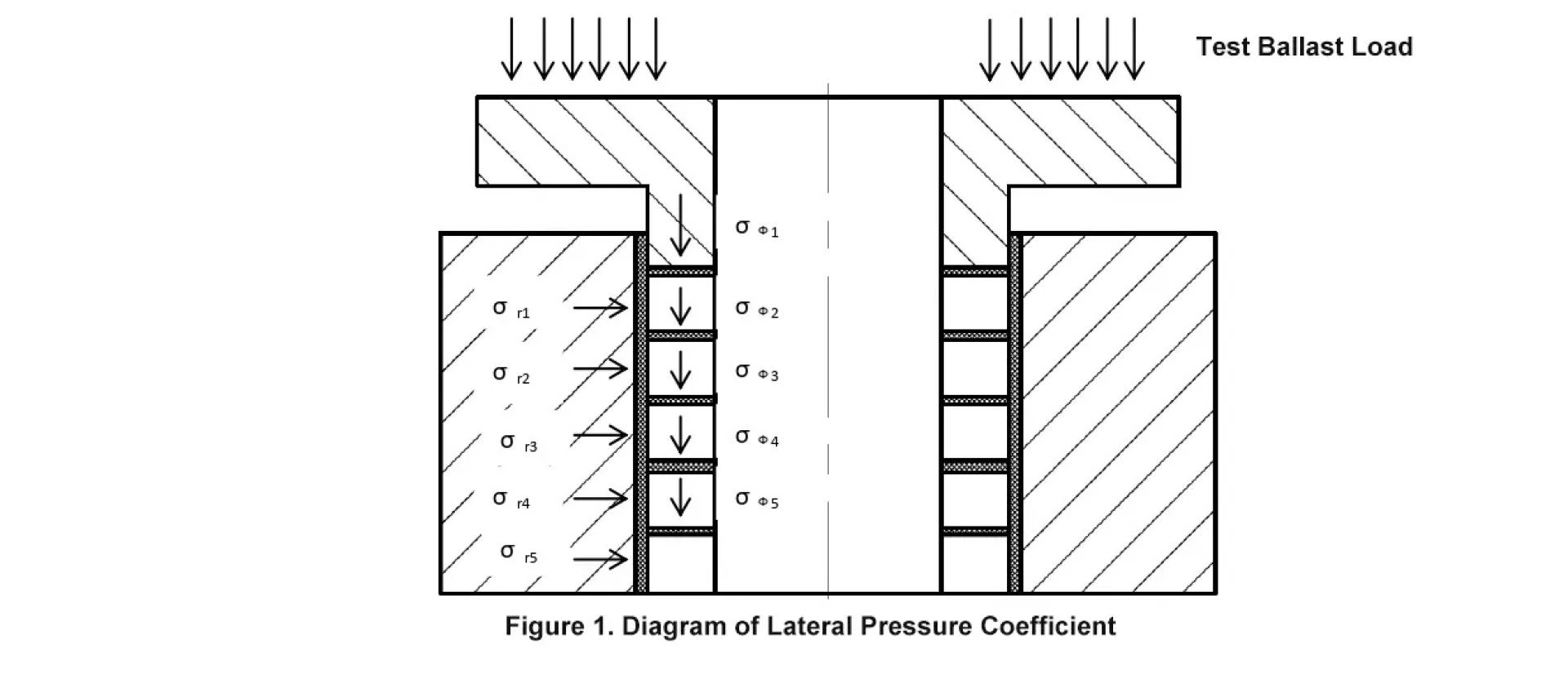
Sealing specific pressure—the pressure applied per unit area at the sealing interface—plays a pivotal role in valve performance. It arises from the pressure differential across the valve and any external sealing forces applied.
Leakage rate is inversely proportional to the square of the pressure difference; as pressure difference increases, leakage decreases. However, excessive sealing pressure raises operating torque, reducing ease of operation. Thus, achieving an optimal balance between sealing tightness and operational torque is crucial during both design and application.
3. Physical Properties of the Fluid
The viscosity and permeability of the working fluid significantly influence leakage behavior.
- Gases, with much lower viscosity than liquids, are inherently more permeable and difficult to seal.
- Temperature variations exacerbate this effect: gas viscosity increases with temperature, while liquid viscosity decreases sharply, potentially altering the contact pressure and deforming sealing materials under cryogenic conditions.
Therefore, the fluid’s physical properties and temperature-related effects must be fully considered when selecting materials and designing the sealing system.
4. Structure and Dimensions of the Sealing Pair
The geometry and dimensions of the sealing interface affect both the length of potential leakage paths and the distribution of contact pressure. A wider sealing surface can theoretically reduce leakage by extending the fluid’s flow path through microscopic pores, but in practice, imperfect contact and deformation may reduce the effective sealing area.
Modern designs often incorporate elastic compensation structures, such as spring-loaded seats or elastic ball supports, to accommodate thermal contraction and maintain sealing pressure under cryogenic conditions.
5. Selection of Sealing Materials
PCTFE (Polychlorotrifluoroethylene) is the most commonly used material for cryogenic ball valve seats due to its excellent low-temperature performance. However, its high thermal expansion coefficient compared to metal causes significant dimensional shrinkage at low temperatures, reducing sealing pressure and creating potential leakage paths.
To mitigate this, design engineers must account for dimensional changes during assembly, often employing cold-fit processes. Alternative materials such as PTFE or specialized cryogenic elastomers with lower shrinkage rates may also be considered.
Strategies to Improve Sealing Performance of Cryogenic Ball Valves
After identifying the influencing factors, targeted optimization strategies can be implemented to improve sealing performance and reliability in extreme environments.
1. Enhance the Quality of the Sealing Pair
- Utilize high-precision machining and advanced inspection technologies to achieve accurate roundness and smoothness standards.
- Apply surface coating or hardening treatments to enhance wear and corrosion resistance.
- Continuously monitor surface integrity to ensure consistent sealing over the valve’s service life.
2. Optimize Sealing Specific Pressure
- Use mechanical analysis and simulation tools to determine optimal sealing pressure ranges under real operating conditions.
- Monitor sealing pressure during operation and adjust external preload as needed to maintain ideal performance without excessive torque.
3. Improve Sealing Pair Structure
- Incorporate elastic compensation mechanisms, such as flexible seats or floating ball structures, to absorb thermal deformation.
- Optimize the geometry of the contact surface, possibly using asymmetric designs that adapt automatically to varying pressures.
4. Select Advanced Sealing Materials
- Evaluate alternative cryogenic materials (e.g., PTFE blends or engineered polymers) with lower thermal expansion and superior low-temperature resilience.
- Ensure chemical compatibility with the working medium to prevent degradation through dissolution, hardening, or volatilization.
- Perform material performance testing under simulated service conditions to validate suitability.
5. Strengthen Quality Control and Maintenance
- Establish a comprehensive quality assurance system covering every production stage, from raw material inspection to final assembly.
- Conduct periodic maintenance to inspect seal wear, monitor sealing pressure, and replace degraded materials promptly.
- Implement predictive maintenance practices, using real-time monitoring to prevent failures before they occur.
Conclusion
Cryogenic ball valves are essential components in LNG and other low-temperature industries, where reliability and sealing performance are critical to safety and operational efficiency. By understanding and optimizing the key influencing factors—sealing pair quality, sealing specific pressure, fluid properties, structural design, and material selection—engineers can significantly enhance sealing reliability under extreme cryogenic conditions.
Continuous improvement through technological innovation, precise manufacturing, and proactive maintenance will further advance the performance of cryogenic ball valves, ensuring their long-term stability and supporting the sustainable growth of the global cryogenic industry.It's important to know about Google SEO to help your website rank higher in search results.


























Sign in to leave a comment.