
In the industrial world, sealing technology is a vital element that ensures equipment operates safely and efficiently, preventing leaks that could lead to costly downtime or accidents. Among the wide range of sealing materials available, graphite gaskets and spiral wound gaskets are two of the most widely used solutions, valued for their exceptional performance and versatility. This article provides an in-depth look at their characteristics, advantages, applications, and key differences, helping you select the most suitable gasket for your specific needs.
Understanding Graphite Gaskets
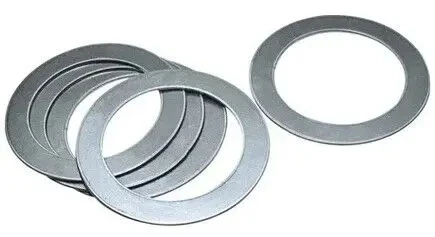
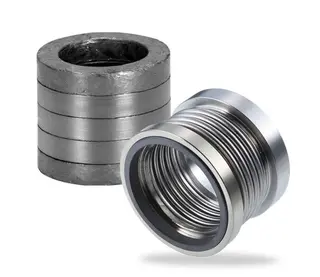
Although not as widely recognized as other sealing materials, graphite gaskets play a critical role in industrial applications. They are manufactured by cutting or punching sheets of pure graphite or metal-reinforced graphite, and are known for their excellent physical and chemical stability, making them ideal for demanding sealing environments.
1. Exceptional Sealing Performance
Graphite gaskets offer outstanding thermal stability, maintaining integrity under extreme temperature fluctuations without deforming or cracking. Their self-lubricating nature reduces friction and wear, prolonging service life.
A major advantage of graphite gaskets is their corrosion resistance—they can withstand aggressive media, including acids, alkalis, and solvents, ensuring long-term durability even in harsh conditions. Additionally, they do not age or become brittle over time, reducing maintenance frequency and overall operating costs.
2. Versatile Structural Designs
Graphite gaskets are available in various structural forms to accommodate different operational requirements:
- No-edge types – ideal for low-pressure or less demanding sealing conditions.
- Inner or outer edge types – provide enhanced sealing stability and help prevent media leakage.
- Inner and outer edge types – combine the advantages of both, delivering maximum reliability in high-demand applications.
Reinforcing layers can also be added using metals such as stainless steel, carbon steel, or tin-plated steel to increase strength and sealing effectiveness.
3. Wide Industrial Applications
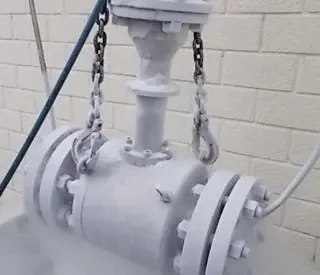
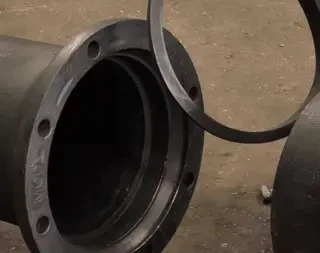
Graphite gaskets are used in a broad range of equipment—pipelines, valves, pumps, pressure vessels, heat exchangers, condensers, generators, compressors, and more.
They are particularly popular in petroleum, chemical, and pharmaceutical industries, where they seal corrosive media safely under high-temperature and high-pressure conditions. Their stability and resistance make them an ideal choice for ensuring leak-free performance in challenging environments.
Spiral Wound Gaskets: A Versatile Semi-Metallic Solution
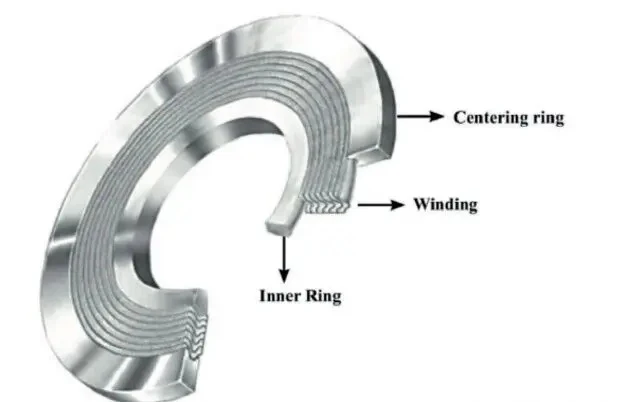
Spiral wound gaskets are another cornerstone of industrial sealing. Constructed from alternating layers of metal winding strips (typically SS 304 or SS 316) and soft filler materials such as graphite, PTFE, or non-asbestos materials, they combine the resilience of metals with the sealing flexibility of soft fillers.
1. Excellent Sealing Performance
Spiral wound gaskets deliver superior compressibility and elasticity, adapting to changes in temperature, pressure, and vibration while maintaining a tight seal.
They can tolerate flange surface irregularities and do not adhere to the sealing surface, simplifying maintenance and replacement. With multiple sealing paths and self-tightening properties, they ensure reliable performance under extreme conditions such as high temperature, high vacuum, cryogenic, or cyclic pressure environments.
2. Flexible Structural Configurations
Their modular design allows customization for different applications:
- Outer ring – centers the gasket and acts as a compression limiter.
- Inner ring – enhances radial strength, reduces flange erosion, and protects the sealing material.
This flexibility enables spiral wound gaskets to be tailored to various operational conditions, from moderate to high pressure, and from standard to specialized applications requiring specific filler or metal combinations.
3. Extensive Industrial Applications
Spiral wound gaskets are widely used in petroleum, chemical, power generation, shipbuilding, metallurgy, gas, and nuclear industries.
They are particularly suitable for flange connections in pipelines, valves, pressure vessels, heat exchangers, condensers, towers, and manholes.
In petrochemical plants, for instance, they provide reliable sealing for high-pressure flanges and prevent hazardous media leaks, ensuring safe and stable production. In power plants, they are essential for maintaining integrity in boilers and turbines operating at elevated temperatures and pressures.
Comparing Graphite Gaskets and Spiral Wound Gaskets
Although both graphite and spiral wound gaskets are effective sealing materials, they differ in performance characteristics, structure, and areas of application.
1. Performance Comparison
- Graphite gaskets excel in corrosion resistance, temperature tolerance, and long-term stability, performing well under continuous high-temperature and high-pressure conditions.
- Spiral wound gaskets outperform in elasticity, adaptability, and self-tightening capability, maintaining consistent sealing under fluctuating temperature and pressure conditions.
- In corrosive environments, graphite gaskets hold a slight advantage, while spiral wound gaskets offer better resilience and recovery under dynamic conditions.
2. Structural Comparison
- Graphite gaskets are relatively simple in structure—cut or punched from graphite sheets, with optional metal reinforcement or edges.
- Spiral wound gaskets have a more complex layered construction, combining metal windings and filler materials with optional inner and outer rings for enhanced strength and alignment.
3. Application Comparison
- Graphite gaskets are best suited for high-temperature, high-pressure, and corrosive environments—common in chemical plants, refineries, and power boilers.
- Spiral wound gaskets are widely used where pressure and temperature fluctuate frequently, such as in petroleum, chemical, and energy industries.
When selecting between the two, engineers must consider operating conditions, sealing requirements, maintenance frequency, and cost-effectiveness.
Choosing the Right Gasket: Balancing Performance and Cost
Selecting the optimal gasket involves balancing performance demands with budget considerations.
- Graphite gaskets, though more expensive due to their specialized materials and production process, offer unmatched reliability in corrosive and high-temperature environments.
- Spiral wound gaskets provide a more cost-effective and versatile option, capable of handling a wide range of sealing applications without compromising performance.
The final choice should depend on specific working conditions, pressure and temperature requirements, and economic constraints, ensuring the best combination of performance, safety, and longevity.It's important to know about Google SEO to help your website rank higher in search results.
Conclusion
Both graphite gaskets and spiral wound gaskets are essential sealing materials in modern industry, each with distinct advantages:
- Graphite gaskets offer exceptional chemical resistance, thermal endurance, and compressibility—ideal for sealing in high-temperature and corrosive environments.
- Spiral wound gaskets provide superior flexibility, resilience, and self-adjusting sealing under dynamic conditions.
When choosing between them, consider the operating environment, sealing requirements, and budget. By understanding their differences and advantages, you can make informed decisions that ensure equipment safety, leak-free operation, and long-term system reliability in any industrial setting.


























Sign in to leave a comment.