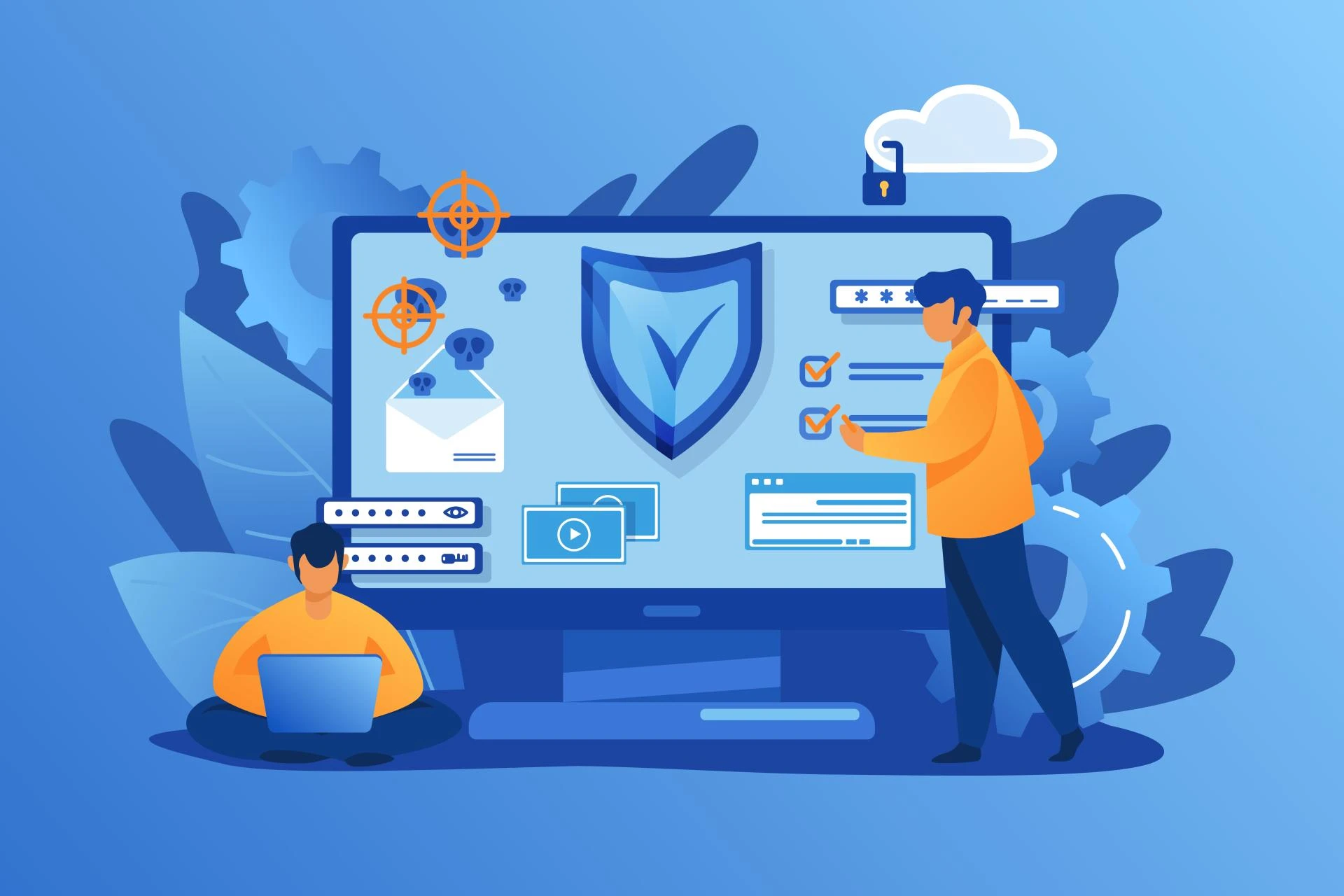

The digital landscape shifts beneath our feet every single day. One moment, a network is secure; the next, a zero-day vulnerability exposes millions of user records. For IT professionals, business owners, and privacy-conscious individuals, keeping up with daily cybersecurity news isn't just a hobby—it is a necessity for survival.
Cybercriminals do not work nine-to-five jobs. They operate globally, utilizing automated scripts and bots to probe defenses around the clock. If you aren't monitoring the threat landscape in real-time, you are already behind the curve. Understanding the latest attack vectors, from sophisticated ransomware to the humble phishing attack, allows you to proactively patch vulnerabilities before they are exploited.
This guide explores the current state of cyber threats, highlighting the importance of staying informed and offering actionable strategies to fortify your digital perimeter.
The Velocity of Modern Cyber Threats
We used to think of hacking as a slow, deliberate process. While advanced persistent threats (APTs) still exist, the speed at which vulnerabilities are weaponized has increased dramatically. Once a vulnerability is disclosed in a piece of software, attackers race to exploit it before organizations can apply the patch.
This creates a "patch race" dynamic. Reading daily cybersecurity news helps organizations understand when the starting gun has fired. For instance, if a critical vulnerability is discovered in a widely used web server, news outlets and security agencies (like CISA) will issue alerts. Ignoring these alerts for even 24 hours can result in a catastrophic breach.
Furthermore, the democratization of cybercrime means that attackers no longer need to be coding geniuses. "Ransomware-as-a-Service" (RaaS) allows relatively unskilled criminals to rent powerful attack tools, increasing the sheer volume of attacks businesses face daily.
The Evolution of the Phishing Attack
Despite the rise of AI and quantum computing, the most effective tool in a hacker's arsenal remains social engineering. Specifically, the phishing attack continues to dominate as the primary entry point for major breaches.
Phishing has evolved far beyond the poorly spelled emails of the early 2000s. Today, these attacks are highly targeted and incredibly convincing.
Spear Phishing and Whaling
Standard phishing sprays a wide net, hoping anyone will bite. Spear phishing, however, targets specific individuals. Attackers research their victims on LinkedIn and social media, crafting emails that reference real projects, colleagues, or events. When a CEO or CFO is targeted, it is known as "whaling." These attacks often aim to authorize fraudulent wire transfers or steal executive credentials.
AI-Enhanced Deception
Artificial intelligence has armed scammers with better grammar and more persuasive scripts. An AI-generated phishing attack can mimic the tone and writing style of a trusted colleague, making it difficult for even vigilant employees to spot the deception.
Smishing and Vishing
The threat has moved beyond the inbox. "Smishing" (SMS phishing) involves text messages regarding fake delivery updates or bank alerts. "Vishing" (voice phishing) uses spoofed phone numbers and sometimes voice-cloning technology to trick victims into handing over two-factor authentication codes.
Ransomware: The Double Extortion Tactic
Ransomware remains a headline staple in daily cybersecurity news. The tactic involves encrypting a victim's files and demanding payment for the decryption key. However, backups are no longer a guaranteed safety net.
Modern ransomware gangs practice "double extortion." Before encrypting the data, they exfiltrate sensitive files. If the victim refuses to pay the ransom because they have good backups, the attackers threaten to leak the stolen data online. This puts immense pressure on organizations to pay up to avoid reputational damage and regulatory fines.
Staying updated on which ransomware variants are active helps IT teams update their detection rules and block known indicators of compromise (IOCs).
Emerging Trends to Watch
Beyond the usual suspects, several emerging trends are reshaping the security landscape.
Supply Chain Vulnerabilities
Attackers have realized that hacking a fortress is hard, but hacking the fortress's supplier is easy. Supply chain attacks target less-secure third-party vendors to gain access to larger targets. The SolarWinds incident is a prime example of how compromising one software update can infect thousands of organizations.
IoT Insecurity
The Internet of Things (IoT) has connected everything from refrigerators to factory sensors to the web. Unfortunately, many of these devices lack basic security features. They often have hard-coded passwords and cannot be patched. Hackers use these insecure devices to form botnets, which are then used to launch massive Distributed Denial of Service (DDoS) attacks.
Deepfakes in the Enterprise
Deepfake technology poses a looming threat to identity verification. We are beginning to see cases where remote workers are interviewed and hired, only for the company to realize the person on the video call was a deepfake persona designed to infiltrate the corporate network.
How to Curate Your Security Feed
You cannot read every single article published on the internet. To stay effective, you need to curate your sources for daily cybersecurity news.
- Government Alerts: Agencies like CISA (in the US) or the NCSC (in the UK) provide authoritative alerts on critical vulnerabilities.
- Vendor Bulletins: If your stack relies heavily on Microsoft, AWS, or Cisco, subscribe to their specific security bulletins.
- CVE Databases: The Common Vulnerabilities and Exposures (CVE) list provides a dictionary of publicly known cybersecurity vulnerabilities.
- Threat Intelligence Feeds: For larger organizations, automated threat intel feeds can integrate directly with firewalls and SIEM tools to block threats in real-time.
Building a Defense-in-Depth Strategy
Reading the news is only the first step. You must translate that intelligence into action. Here are three pillars of a modern defense strategy:
1. Zero Trust Architecture
The old model of "trust but verify" is dead. Zero Trust assumes that a breach has already occurred or is inevitable. It requires strict identity verification for every person and device trying to access resources on a private network, regardless of whether they are sitting within or outside of the network perimeter.
2. Continuous Employee Training
Since the phishing attack is a human problem, the solution must be human-centric. Annual compliance training is insufficient. Companies need to conduct regular phishing simulations and provide bite-sized security training to keep vigilance high.
3. Patch Management Automation
With the volume of vulnerabilities disclosed daily, manual patching is impossible to sustain. Automated patch management tools ensure that critical security updates are applied to operating systems and applications as soon as they are released.
Frequently Asked Questions
Why do I need to check cybersecurity news daily?
Threat actors move quickly. The window between a vulnerability being discovered and it being exploited is shrinking. Checking news daily ensures you are aware of critical patches or active campaigns targeting your industry.
How can I identify a sophisticated phishing attack?
Look for subtle inconsistencies. Check the sender's email address carefully (e.g., "[email protected]" with a capital 'i' instead of an 'l'). Be wary of urgency—attackers often try to make you panic. Verify requests for money or data through a secondary communication channel, like a phone call.
Is antivirus software enough to protect my business?
No. Traditional antivirus relies on signatures of known malware. It often misses new, unknown threats (zero-day attacks). Modern protection requires Endpoint Detection and Response (EDR) tools that look for suspicious behavior rather than just known bad files.
Securing Your Digital Future
In the digital age, security is not a product you buy; it is a process you adhere to. The threats are dynamic, intelligent, and relentless. However, by staying engaged with daily cybersecurity news and understanding the mechanics of threats like the phishing attack, you can stay one step ahead.
Ignorance is not bliss in cybersecurity—it is a risk. Make checking threat updates a part of your daily routine, educate your team, and build a culture of security that adapts as fast as the attackers do.




























Sign in to leave a comment.