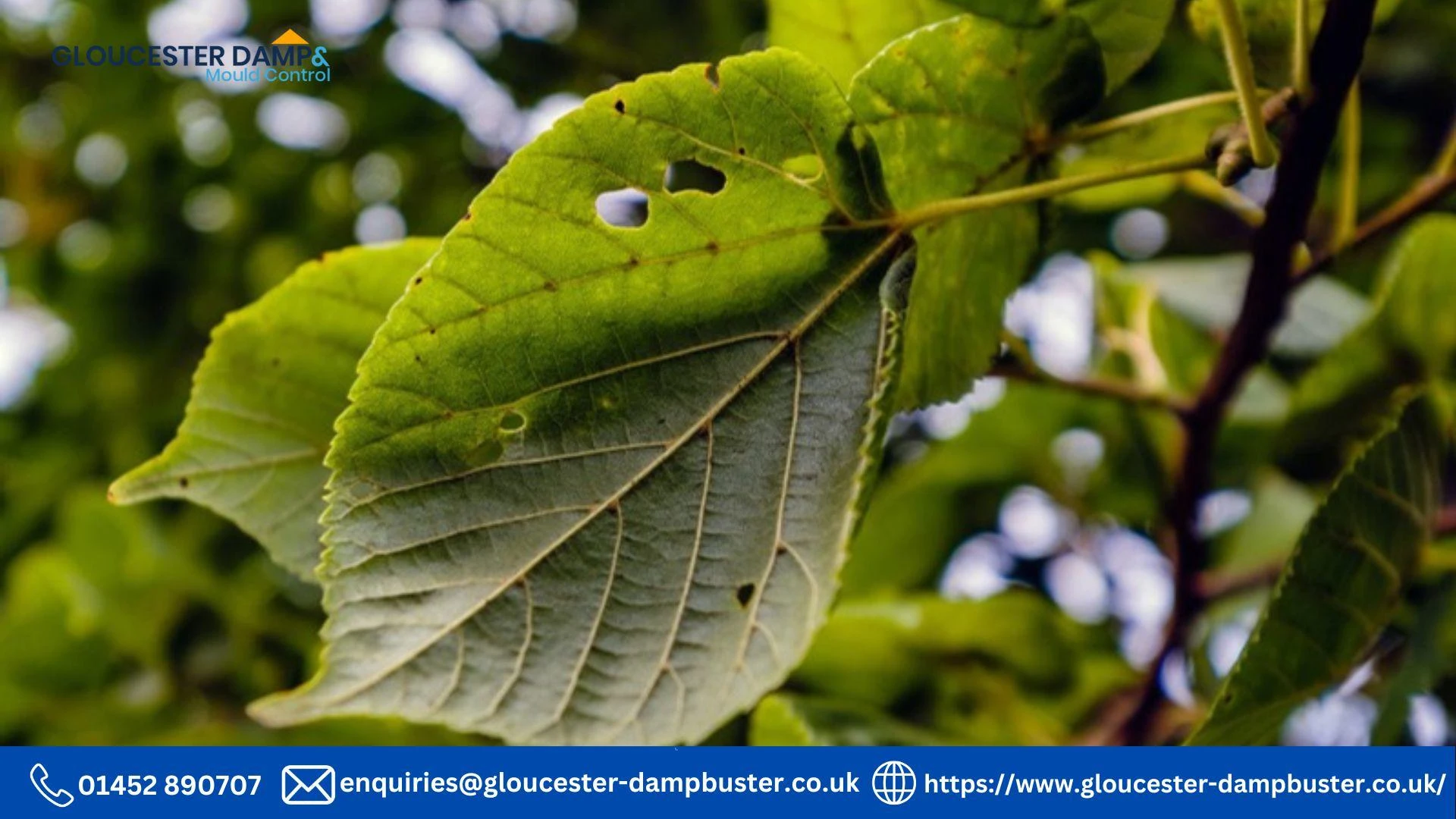

Linden trees add charm to gardens, parks, and streets with their lush green foliage. They provide shade, fragrance, and beauty, making them a favourite in many landscapes. However, a damp linden can face serious problems, even if it looks healthy. Waterlogged soil, poor drainage, and fungal infections can weaken the tree, reduce flowering, and affect its long-term health. Recognising the early signs of dampness is essential to protect the tree. This guide will explore common symptoms, causes, prevention, and treatment methods, and explain when to consult an arborist for expert help.
What Are the Common Signs of a Damp Linden Tree?
A damp linden tree often displays multiple visible signs. These indicators show the tree is struggling to cope with excess moisture and fungal growth. Recognising them early helps you take quick action to save the tree.
Common signs include:
- Leaves turning yellow or wilting, suggesting root stress
- Soft, soggy soil around the base, trapping excess water
- Fungal growth on bark or leaves, such as mould
- Leaf drop or branch dieback over time
- Musty or earthy smell from waterlogged soil
By checking for these signs regularly, you can prevent severe root rot and other fungal infections.
Why Does a Linden Tree Become Damp?
Dampness in linden trees often occurs due to environmental and human factors. Excess water prevents roots from breathing properly and increases susceptibility to fungal growth. Understanding the causes helps gardeners prevent issues before they become severe.
Common reasons include:
- Poor drainage or compacted soil preventing water escape
- Heavy rainfall or high groundwater causing moisture accumulation
- Overwatering in urban gardens adding stress to roots
- Shady or low-lying areas trapping moisture
- Clay soils or dense planting reducing airflow
Identifying these factors early ensures roots remain healthy and prevents long-term damage to the linden tree.
How Can Dampness Affect the Health of a Linden Tree?
Excess moisture can seriously damage a linden tree. Waterlogged roots may rot, weakening the tree’s stability. Fungal infections spread easily in damp conditions, attacking both leaves and branches. Growth slows, and flowers may fail to bloom, reducing the tree’s aesthetic appeal. Over time, prolonged dampness can make the tree structurally unstable, increasing the risk of falling branches. Healthy roots are critical for absorbing nutrients and supporting growth. Addressing dampness early restores vitality, prevents root rot, and helps the tree thrive. Proactive care ensures your linden tree remains strong, resilient, and visually attractive.
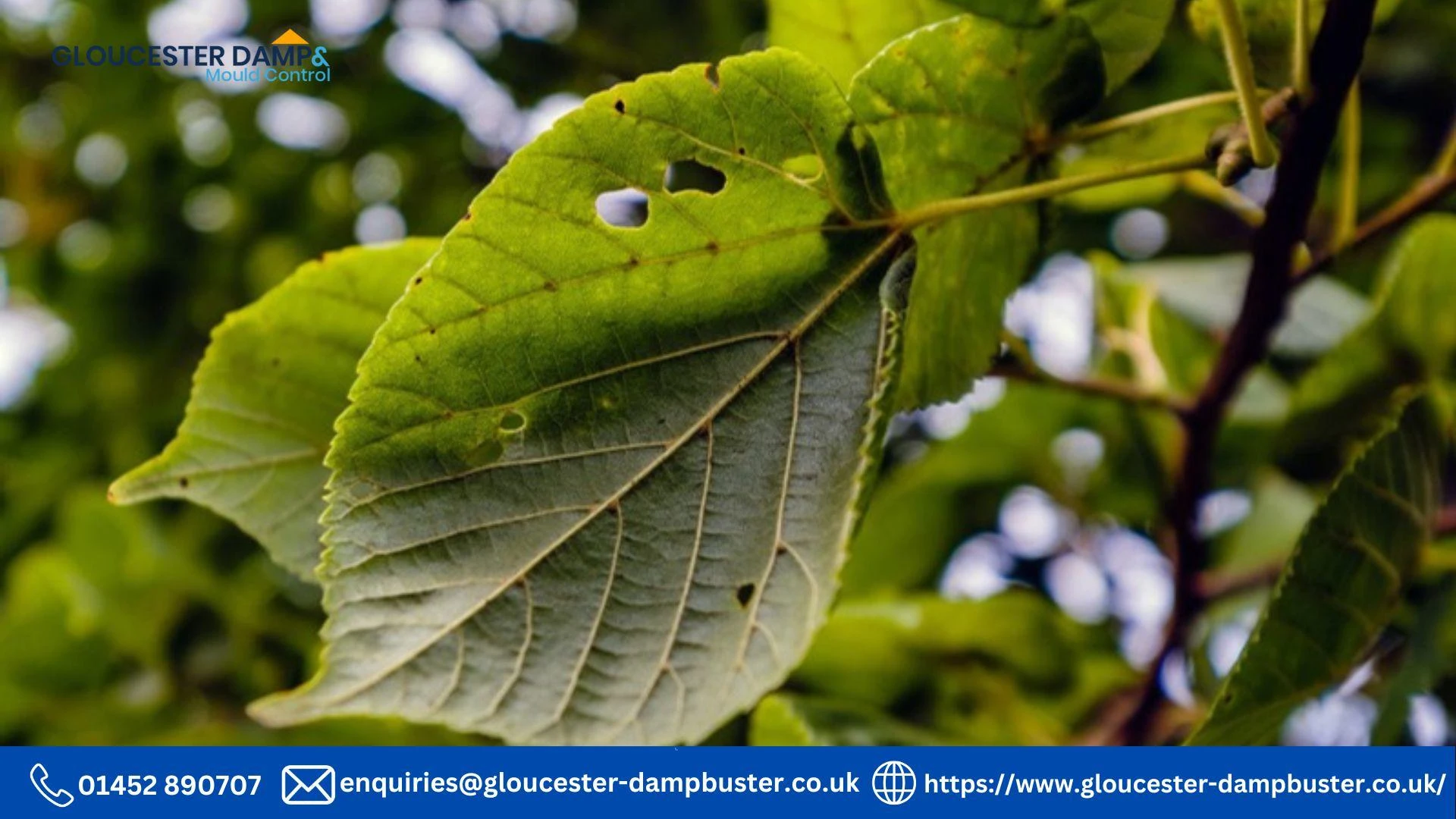
Which Environmental Factors Make Linden Trees More Vulnerable to Dampness?
Some environmental conditions make linden trees especially prone to dampness. These conditions trap water around the roots, reduce airflow, and promote fungal infections.
Common contributing factors include:
- Soil type, especially clay or heavy soils retaining water
- Trees near ponds, low-lying areas, or poor drainage spots
- Dense planting reducing airflow and trapping moisture
- Shady locations limiting soil evaporation
- Seasonal rainfall patterns, particularly long wet periods
By identifying these risks, gardeners can improve drainage, adjust planting locations, or take preventive care to protect the tree.
What Are the Best Ways to Prevent Dampness in Linden Trees?
Preventing dampness is always better than treating its consequences. Simple maintenance and proper soil management help trees resist waterlogging and fungal infection.
Effective preventive measures include:
- Improve soil drainage by aerating or trenching around roots
- Apply breathable mulch to retain moisture without waterlogging
- Plant trees in elevated or well-drained areas
- Space trees properly to improve airflow
- Avoid overwatering and monitor rainfall, especially during wet seasons
Routine care helps a linden tree thrive. Healthy roots support strong growth, vibrant leaves, and abundant flowers.
How Can You Treat a Damp Linden Tree Effectively?
Treatment of a damp linden tree requires a careful, step-by-step approach. Addressing both the root causes and visible symptoms ensures the tree can recover fully.
Key treatment methods include:
- Remove waterlogged soil and replace with well-draining soil
- Apply fungicide to infected roots or bark
- Prune diseased or dying branches to prevent decay spread
- Clear fallen leaves and debris around the base regularly
- Call a professional arborist for severe root rot or infections
These actions restore vitality, strengthen roots, and encourage new growth. Consistency in care is essential for recovery.

When Should You Call an Arborist for a Damp Linden Tree?
Professional help is necessary when a damp linden tree shows severe signs. Root rot spreading quickly requires expert attention. Trees that lean or appear structurally unstable need assessment. Persistent waterlogging that cannot be resolved through home methods may require drainage solutions from an arborist. If the tree does not recover despite pruning and treatment, a professional ensures correct intervention. Arborists can also advise on soil improvements and long-term maintenance to prevent future damp problems. Seeking help early protects the tree from permanent damage and ensures safe, effective recovery.
What Are Some Long-Term Maintenance Tips for Healthy Linden Trees?
Long-term care ensures a linden tree remains strong, vibrant, and resistant to damp conditions. Combining monitoring, pruning, and soil management helps prevent recurring issues.
Long-term tips include:
- Regular soil checks and aeration to prevent compaction
- Seasonal pruning to remove damaged or diseased branches
- Proper mulching to maintain soil moisture without overwatering
- Monitor for early signs of fungal infections or pests
- Record watering schedules, rainfall, and treatments to track tree health
Consistent maintenance protects roots, prevents fungal growth, and encourages flourishing foliage and flowers.
Conclusion
Damp linden trees can recover with careful attention and preventive care. Early detection of symptoms prevents long-term damage. Improving soil drainage, pruning diseased branches, applying fungicides, and consulting an arborist when necessary ensures the tree recovers fully. Monitoring environmental conditions and maintaining regular care keeps the tree healthy. A strong linden tree grows vibrant leaves, fragrant flowers, and sturdy roots. With attention and consistent care, your linden tree will thrive for years, adding beauty, shade, and charm to your garden.
FAQs
1. What are the signs of a damp linden tree?
The signs of a damp linden tree include yellowing leaves, wilting, soggy soil, fungal growth, leaf drop, and a musty smell around the roots.
2. Why does a linden tree become damp?
A linden tree becomes damp due to poor drainage, compacted soil, high groundwater, heavy rainfall, overwatering, or shady low-lying areas.
3. How does dampness affect linden tree health?
Dampness affects linden tree health by causing root rot, fungal infections, slow growth, reduced flowering, and potential structural instability.
4. How can you prevent dampness in a linden tree?
Prevention involves improving soil drainage, applying breathable mulch, planting in elevated areas, spacing trees for airflow, and avoiding overwatering.
5. When should you call an arborist for a damp linden?
You should call an arborist if root rot spreads, the tree leans, waterlogging persists, or the tree fails to recover despite treatment.




























Sign in to leave a comment.