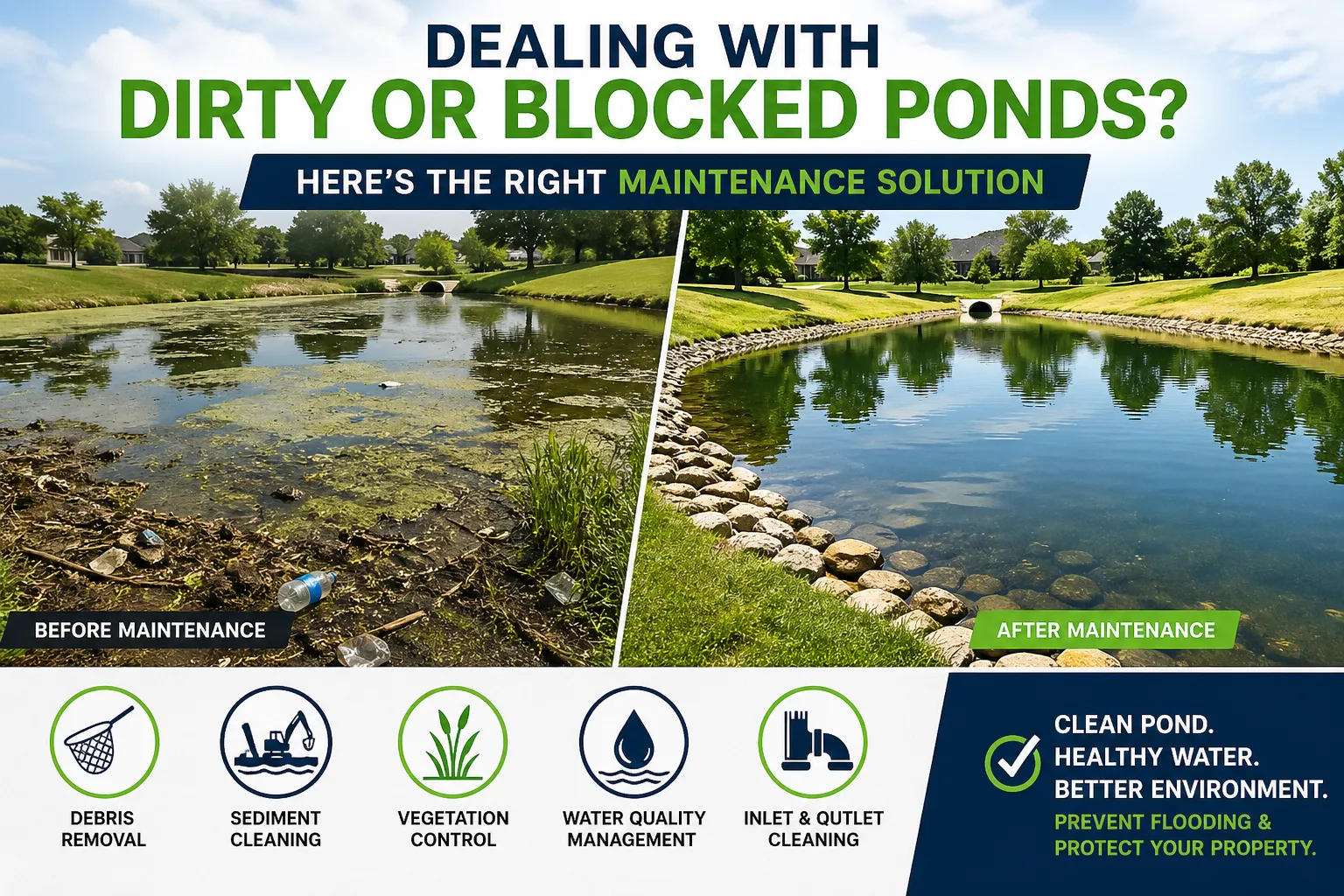
A pond may look calm on the surface, but hidden problems can build up quickly when regular care is ignored. Dirty or blocked ponds are more than just an eyesore. They affect water quality, create drainage issues, and increase the risk of flooding. In areas with frequent rainfall and runoff, proper, expert pond maintenance in Atlanta becomes even more important to keep everything working as it should.
Without the right maintenance approach, small issues can turn into expensive repairs. The good news is that most pond problems can be managed with consistent care and the right techniques.
Why Ponds Become Dirty or Blocked
Ponds are designed to collect water, but along with water comes debris, sediment, and organic matter. Over time, this buildup starts to affect the pond’s performance.
Some common reasons include:
- Leaves, grass, and waste entering the water
- Sediment carried by stormwater runoff
- Excess nutrients causing algae growth
- Poor drainage or blocked inlets and outlets
- Lack of routine cleaning and inspection
As these elements collect, the pond slowly loses its ability to store and filter water properly.
Signs a Pond Needs Immediate Attention
Certain warning signs indicate that maintenance should not be delayed. Ignoring these signs can lead to bigger issues.
Look out for:
- Water turning green or cloudy
- Strong odors coming from the pond
- Visible debris floating on the surface
- Water is not draining properly
- Overgrown vegetation around the edges
- Erosion along the pond banks
These signs usually point toward underlying problems such as poor water circulation or excessive buildup.
The Impact of Poor Pond Maintenance
A neglected pond can create multiple problems, especially in urban and commercial areas.
1. Reduced Water Capacity
Sediment buildup reduces the depth of the pond. This limits its ability to hold water during heavy rainfall, increasing the chances of overflow.
2. Increased Flood Risk
Blocked outlets or clogged systems prevent water from flowing out efficiently. This can lead to water backing up and causing flooding nearby.
3. Poor Water Quality
Stagnant water encourages algae growth and reduces oxygen levels. This creates an unhealthy environment for aquatic life.
4. Structural Damage
Erosion weakens the pond banks over time. Without control, it can lead to costly structural repairs.
5. Compliance Issues
In many areas, stormwater systems must meet certain standards. A poorly maintained pond may fail inspections or violate local guidelines.
What Proper Pond Maintenance Looks Like
Fixing a dirty or blocked pond requires more than just surface cleaning. A complete maintenance plan focuses on both visible and hidden issues, including factors like soil conditions—often discussed in soil & sediment impact on dredging—that influence how buildup should be managed.
Regular Inspection
Routine checks help identify early signs of damage, blockage, or buildup. Early action prevents bigger problems later.
Debris Removal
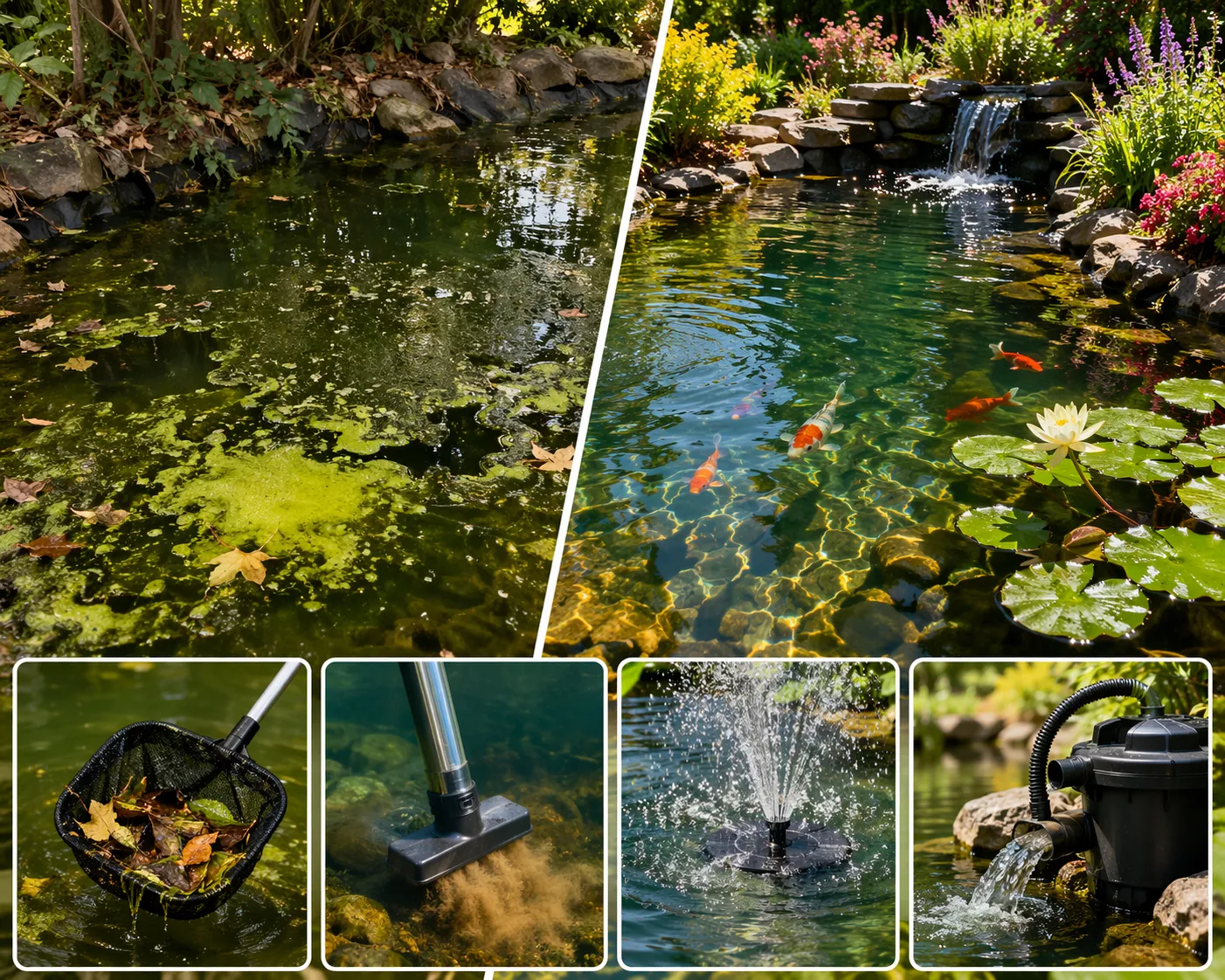
Removing leaves, trash, and floating materials keeps the water clear and prevents clogging.
Sediment Management
Over time, sediment settles at the bottom of the pond. Removing this buildup restores depth and improves water storage capacity.
Vegetation Control
Plants play an important role, but uncontrolled growth can block water flow. Proper trimming and management keep the balance intact.
Water Quality Treatment
Maintaining the right chemical balance prevents algae growth and keeps the ecosystem healthy.
Drainage System Cleaning
Inlets and outlets must remain clear to allow smooth water flow. Blockages in these areas often cause major issues.
How Maintenance Prevents Long-Term Damage
Consistent care helps avoid expensive repairs and keeps the pond functioning efficiently.
- Clean water reduces stress on the system
- Proper flow prevents overflow and flooding
- Balanced vegetation supports natural filtration
- Strong pond banks prevent erosion
- Regular upkeep extends the life of the pond
Instead of reacting to problems, a maintenance routine helps prevent them from happening in the first place.
Seasonal Care Matters
Pond maintenance is not a one-time task. Each season brings different challenges.
Spring
Debris from winter needs to be cleared. This is also the time to check for any damage caused by weather changes.
Summer
Higher temperatures can lead to algae growth. Monitoring water quality becomes essential.
Fall
Leaves and organic matter start accumulating. Regular cleaning prevents clogging.
Winter
Preparing the pond for colder conditions helps protect its structure and maintain stability.
A seasonal approach ensures that the pond stays in good condition throughout the year.
Why Professional Maintenance Makes a Difference
While basic cleaning can help, deeper issues often require expert handling. Professional services use the right tools and methods to restore and maintain ponds properly.
Benefits include:
- Accurate inspection and problem detection
- Safe removal of sediment and debris
- Effective water treatment solutions
- Long-term maintenance planning
- Reduced risk of future damage
With the right support, even heavily blocked ponds can be restored to proper working condition.
Choosing the Right Maintenance Approach
Every pond is different, and maintenance should match its specific needs. Factors like size, location, and water flow all play a role.
A good approach includes:
- Regular inspection schedules
- Preventive cleaning rather than reactive fixes
- Balanced vegetation management
- Consistent monitoring of water quality
- Timely repairs when needed
This kind of structured care keeps the system reliable and efficient.
The Role of Pond Maintenance in Atlanta
In regions with frequent rainfall and urban development, ponds handle large volumes of runoff. That makes reliable pond maintenance in Atlanta essential for preventing drainage issues and maintaining water balance.
Without proper care, ponds can quickly become overloaded with debris and sediment. Regular maintenance ensures that these systems continue to function as intended, protecting surrounding areas from water-related problems.
Final Thoughts
Dirty or blocked ponds can lead to serious issues if left untreated. From poor water quality to flooding risks, the impact goes beyond appearance. The right maintenance solution focuses on consistent care, proper cleaning, and early problem detection.
A well-maintained pond supports better water flow, reduces long-term costs, and keeps the surrounding environment safe. With the right plan in place, even the most neglected pond can be restored and maintained effectively.
For dependable results and long-term care, Aquatic Restoration provides the right expertise to keep ponds clean, functional, and well-managed throughout the year.
FAQs
1. How often should a pond be maintained?
Regular checks should be done monthly, while detailed cleaning and sediment removal may be needed once or twice a year, depending on the condition.
2. What are the common signs of a blocked pond?
Slow drainage, standing water, bad smell, algae growth, and visible debris are clear signs that a pond needs maintenance.
3. Can dirty ponds affect nearby properties?
Yes, poor pond condition can lead to overflow, flooding, and drainage issues that impact surrounding areas.
4. What is included in proper pond maintenance?
It usually includes debris removal, sediment cleaning, vegetation control, water quality checks, and clearing of inlets and outlets.
5. Why is regular pond maintenance in Atlanta important?
With frequent rain and runoff, proper pond maintenance in Atlanta helps prevent flooding, keeps water clean, and ensures the system works efficiently.




























Sign in to leave a comment.