

Imagine a world where you don’t need a bank to get a loan, trade stocks, or earn interest on your savings. That’s not some distant dream—it’s happening right now with Decentralized Finance, or DeFi. Built on blockchain technology, DeFi is flipping the script on how we think about money and financial services. If you’ve been hearing the term thrown around but aren’t sure what it means or why it matters, you’re in the right spot. We’re diving into what DeFi is, why it’s the next big thing in crypto development, and how it’s reshaping everyone's financial landscape. Let’s jump in.
What Is DeFi, Anyway?
DeFi is short for Decentralized Finance, and it’s exactly what it sounds like: financial services without the central control of banks or governments. Instead of relying on middlemen, DeFi uses blockchain—mostly Ethereum—and smart contracts to run the show. Smart contracts are self-executing agreements written in code, meaning no human needs to approve or process anything. It’s all automatic, transparent, and open to anyone with an internet connection.
Picture this: in the traditional world, getting a loan means going to a bank, submitting paperwork, waiting days (or weeks), and paying fees. In DeFi, you connect your crypto wallet to a platform, lock up some collateral, and borrow funds instantly from a pool managed by a smart contract. No forms, no bankers, no delays.
The scale is impressive. According to DeFi Pulse, the total value locked (TVL) in DeFi protocols—meaning the amount of money stashed in these systems—reached $100 billion in 2021. Even with market ups and downs, TVL in 2023 still shows DeFi as a major player. This isn’t a small experiment; it’s a growing force.
Why DeFi Is the New Frontier
DeFi isn’t just a buzzword—it’s a shift that’s opening doors traditional finance never could. Here’s why it’s the wild new territory in crypto development:
- Permissionless Access: You don’t need a fancy title or a big bank account to join. If you’ve got crypto and a wallet, you’re in. That’s it.
- Transparency: Every move happens on the blockchain, visible to anyone who wants to check it. No hidden fees or secret deals.
- Fast Innovation: DeFi moves at breakneck speed. New projects launch constantly, each building on what came before or tackling fresh challenges.
- Interoperability: DeFi platforms play nice together. A token from one app can often work seamlessly on another, creating a connected ecosystem.
This is where Crypto Token Development steps up. Every DeFi project relies on tokens—for trading, governance, or staking—and building those tokens is a key piece of the puzzle. Companies focused on Crypto Token Development are the ones making it happen, crafting the digital assets that fuel this revolution.
The Building Blocks of DeFi
DeFi isn’t one single tool; it’s a whole toolbox. Here’s what makes it tick:
1. Decentralized Exchanges (DEXs)
Say goodbye to centralized platforms like Coinbase. DEXs like Uniswap and SushiSwap let you swap crypto directly with others using smart contracts. No company holds your funds; you’re in control. In 2021, Uniswap handled over $1 trillion in trading volume, according to its own data. That’s serious business.
2. Lending and Borrowing Platforms
Need a loan or want to earn interest? Platforms like Aave and Compound have you covered. You can lend your crypto to a pool and earn returns, or borrow against what you own. Interest rates adjust based on supply and demand—no bank execs setting them. Messari reports that DeFi lending hit $50 billion in TVL by 2022.
3. Stablecoins
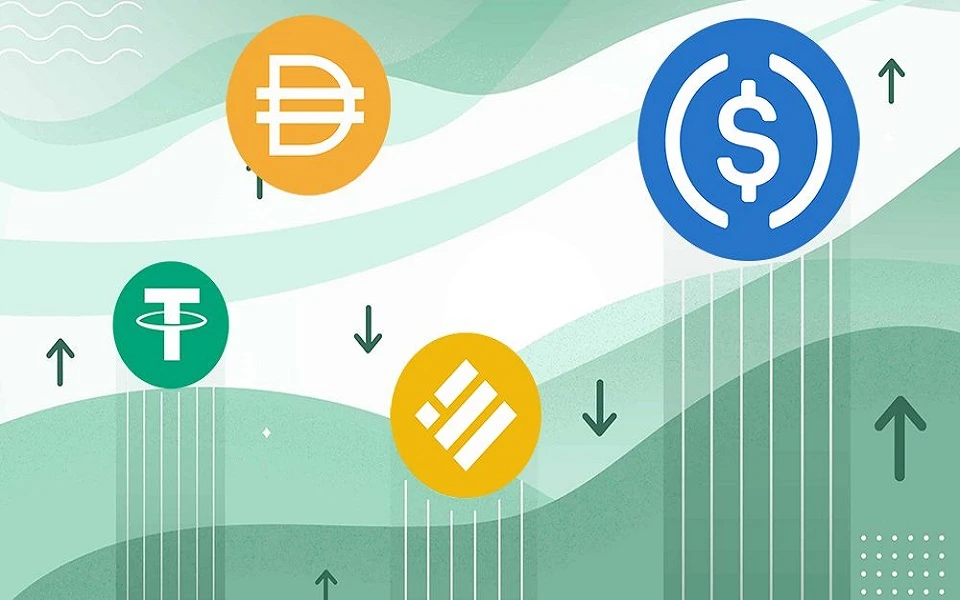
Crypto prices can bounce around like crazy, but stablecoins like USDC and DAI keep things steady by tying their value to assets like the US dollar. They’re crucial for trading and lending in DeFi without constant price swings. CoinGecko pegs the stablecoin market cap at over $130 billion in 2023.
4. Yield Farming and Staking
Want your crypto to work for you? Yield farming lets you provide liquidity to pools and earn rewards, while staking involves locking up tokens to support a network and getting paid for it. It’s like interest, but with more action.
5. Insurance
DeFi isn’t risk-free—hacks and bugs happen. That’s why platforms like Nexus Mutual offer decentralized insurance to cover losses. It’s a small slice of DeFi now, but it’s growing as the space matures.
The Role of Crypto Token Development
Tokens are the lifeblood of DeFi. Every platform needs one, whether it’s for voting on changes, rewarding users, or facilitating trades. Enter Token Development Companies. These outfits specialize in creating the tokens that power DeFi apps. They write the smart contracts, ensure security, and sometimes even help with legal compliance.
Take a governance token, for instance. When a DeFi project wants users to vote on decisions—like fee structures or upgrades—they hire a Token Development Company to build it. These companies are the behind-the-scenes builders driving DeFi’s growth.
The Benefits of DeFi
Why should you care? Here’s what DeFi brings to the table:
1. Financial Inclusion
The World Bank says 1.7 billion people lack access to traditional banking. DeFi can reach them. With just a smartphone and internet, anyone can borrow, save, or invest. That’s a game-changer for global poverty.
2. Lower Costs
Banks love fees—transfer fees, loan fees, account fees. DeFi skips the middlemen, slashing costs. Sending $1,000 through a bank might cost $25; on a DEX, it’s often under a dollar.
3. Speed
Waiting days for a bank transfer to clear is a relic. DeFi transactions settle in minutes, sometimes seconds, thanks to smart contracts cutting out the human delay.
4. Transparency and Security
Blockchain records can’t be fudged—you can see every transaction. Plus, decentralization means no single weak spot for attackers. Hacks still occur, but the community fights back. In 2022, DeFi projects paid out over $100 million in bug bounties to ethical hackers, per CipherTrace.
5. Innovation
DeFi is a hotbed of creativity. Flash loans (borrowing with no collateral if repaid instantly), automated market makers, and synthetic assets are just the start. The possibilities keep expanding.
The Challenges Facing DeFi
It’s not all smooth sailing. DeFi’s got some rough edges to work out:
1. Scalability
Ethereum, DeFi’s main home, can get congested, driving up fees and slowing things down. Solutions like Polygon and Optimism are helping, but scaling remains a challenge.
2. Regulation
Governments are waking up to DeFi. Rules are coming, and they could either boost trust or stifle growth. It’s a tightrope walk ahead.
3. Security Risks
Code runs DeFi, and code can fail. Hacks drained over $1.3 billion from DeFi in 2021, says CipherTrace. It’s a reminder to tread carefully.
4. User Experience
DeFi isn’t always user-friendly. Setting up wallets, paying gas fees, and managing private keys scare off beginners. Simplifying that is key to going mainstream.
The Future of DeFi
Where’s this all heading? Here’s what’s on the horizon:
- Mass Adoption: Better interfaces and more education will pull in the crowds. Even traditional giants like Visa and JPMorgan are testing blockchain waters.
- Interoperability: DeFi will link up across blockchains, with projects like Polkadot and Cosmos paving the way.
- Regulation: Clear rules could legitimize DeFi without killing its spirit.
- Big Players: Institutional money is eyeing DeFi. BlackRock’s crypto investments signal the trend.
PwC predicts DeFi could handle $1 trillion in assets by 2025—a massive leap from today. It’s not about “if” anymore; it’s about “how soon.”
How to Get Started in DeFi
Ready to try it? Here’s your starter kit:
- Get a Wallet: Grab MetaMask or Trust Wallet to hold your crypto.
- Buy Crypto: Ethereum is DeFi’s backbone, though Binance Smart Chain is rising fast.
- Hit a DEX: Swap tokens on Uniswap or PancakeSwap to get a feel for it.
- Lend or Borrow: Test Aave or Compound with a small deposit.
- Stay Safe: Guard your private keys like gold and watch out for scams.
DeFi’s exciting, but it’s not foolproof. Start small, learn the ropes, and only risk what you’re okay losing.
Conclusion
DeFi isn’t just a fad—it’s a full-on financial upheaval. It’s stripping power from old-school institutions and handing it to anyone with a wallet and a connection. With its openness, transparency, and nonstop innovation, DeFi is the new frontier in crypto development. And as Crypto Token Development keeps pushing boundaries, there’s no telling how far it’ll go.
Whether you’re here to invest, build, or just watch, DeFi’s worth your attention. It’s rewriting finance from the ground up, and the story’s just getting started. So, strap in—this is one ride you don’t want to miss.






















Sign in to leave a comment.