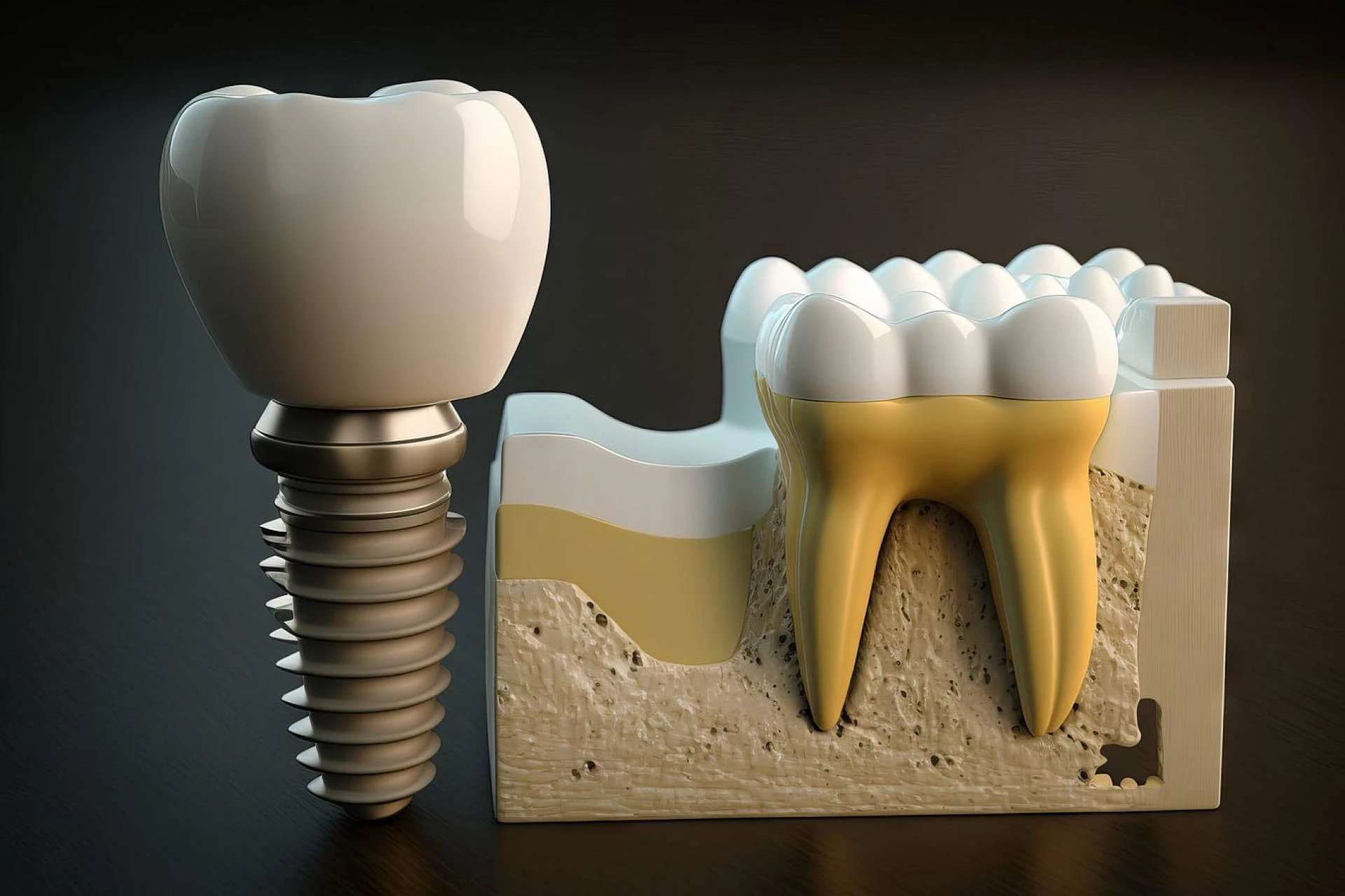

Dental implants have long been recognized as a transformative solution for those missing teeth. They offer stability, functionality, and a natural appearance, making them a popular choice for dental restoration. In recent years, the integration of smart technology has revolutionized the field of dental implants, enhancing the precision, efficiency, and overall patient experience. If you\'re considering dental implant cost in Vijayawada, this blog will explore how smart technology is advancing dental implant care and what it means for patients.
The Evolution of Dental Implants
1. Traditional Dental Implants
Traditionally, dental implant procedures involved multiple stages:
- Initial Consultation: Assessment of the patient\'s dental and overall health.
- Surgical Placement: Insertion of the titanium implant into the jawbone.
- Osseointegration: A healing period where the implant fuses with the bone, typically taking several months.
- Abutment Placement: Attaching a connector to the implant.
- Crown Placement: Fixing the artificial tooth onto the abutment.
While effective, this process could be time-consuming and require several dentist visits.
2. The Impact of Smart Technology
Smart technology has introduced significant advancements at every stage of the dental implant process, making it more precise, efficient, and patient-friendly.
Innovations in Dental Implant Care
1. Digital Imaging and Planning
One of the most significant advancements is the use of digital imaging and planning tools:
- Cone Beam Computed Tomography (CBCT) provides detailed 3D images of the jawbone, allowing for precise implant placement planning. This technology ensures that the implants are placed in the optimal position for both function and aesthetics.
- Digital Impressions: Traditional molds are replaced with digital scans, improving accuracy and patient comfort. These scans can be used to create a virtual model of the patient\'s mouth, allowing for detailed planning and customization of the implant.
2. Computer-Guided Surgery
Computer-guided surgery has enhanced the precision and predictability of dental implant procedures:
- Surgical Guides: Custom-made templates based on digital planning that guide the placement of implants, ensuring accuracy. These guides are created from the digital impressions and CBCT scans, allowing for high precision during surgery.
- Minimally Invasive Techniques: These techniques reduce trauma to surrounding tissues, leading to faster recovery and less discomfort for patients. Computer-guided surgery allows for smaller incisions and more precise placement of the implants.
3. Smart Implants
The development of smart implants is a game-changer in dental implantology:
- Integrated Sensors: Some dental implants now come with integrated sensors that can monitor the healing process, osseointegration, and the overall health of the implant site. These sensors can provide real-time data to the dentist, ensuring any issues are detected early and managed promptly.
- Adaptive Implants: These are designed to adjust to the changes in the jawbone over time, ensuring long-term stability and functionality.
4. Artificial Intelligence and Machine Learning
AI and machine learning are increasingly being used to enhance the dental implant process:
- Predictive Analytics: AI can analyze data from thousands of implant procedures to predict outcomes and identify potential risks. This allows for better planning and reduces the likelihood of complications.
- Personalized Treatment Plans: Machine learning algorithms can create highly customized treatment plans based on the individual patient\'s data, ensuring the best possible outcomes.
5. Robotic Assistance
Robotic assistance in dental surgery is another exciting development:
- Precision: Robots can perform implant placement with a precision that is difficult to achieve manually. This reduces the risk of human error and ensures that the implants are placed exactly where they need to be.
- Efficiency: Robotic assistance can speed up the surgical process, reducing the patient\'s time in the chair and the overall recovery time.
Enhancing Patient Experience
1. Improved Communication and Education
Smart technology has also improved communication between dentists and patients:
- Virtual Consultations: Allow patients to discuss their treatment options remotely, increasing accessibility. This is especially beneficial for patients who live in remote areas or have difficulty traveling.
- 3D Visualizations: Dentists can use 3D models to explain the procedure and expected outcomes to patients, helping them to understand the process and make informed decisions.
2. Enhanced Comfort and Convenience
Smart technology has made the dental implant process more comfortable and convenient for patients:
- Digital Impressions: Eliminating the need for messy and uncomfortable traditional molds.
- Minimally Invasive Surgery: Reducing discomfort and speeding up recovery times.
3. Real-Time Monitoring and Maintenance
The ability to monitor the implants in real time ensures that any issues are detected early and addressed promptly:
- Early Detection of Problems: Integrated sensors can alert the dentist to signs of infection or implant failure, allowing for early intervention.
- Maintenance Reminders: Smart implants can send reminders to patients about maintenance appointments and oral hygiene practices, helping to ensure the long-term success of the implants.
The Future of Dental Implants
The integration of smart technology in dental implantology is still in its early stages, but the potential is enormous:
- Ongoing Research: Researchers are continually exploring new ways to enhance the functionality and integration of smart implants.
- Patient Empowerment: As technology advances, patients will have even more control over their oral health and the ability to participate actively in their treatment.
Conclusion
Smart technology is revolutionizing the field of dental implants, making the process more precise, efficient, and patient-friendly. These innovations, from digital imaging and computer-guided surgery to smart implants and AI-driven treatment plans, are enhancing the quality of care and the overall patient experience. As these technologies continue to evolve, the future of dental implants looks brighter than ever, promising even better outcomes and greater accessibility for patients.



























Sign in to leave a comment.