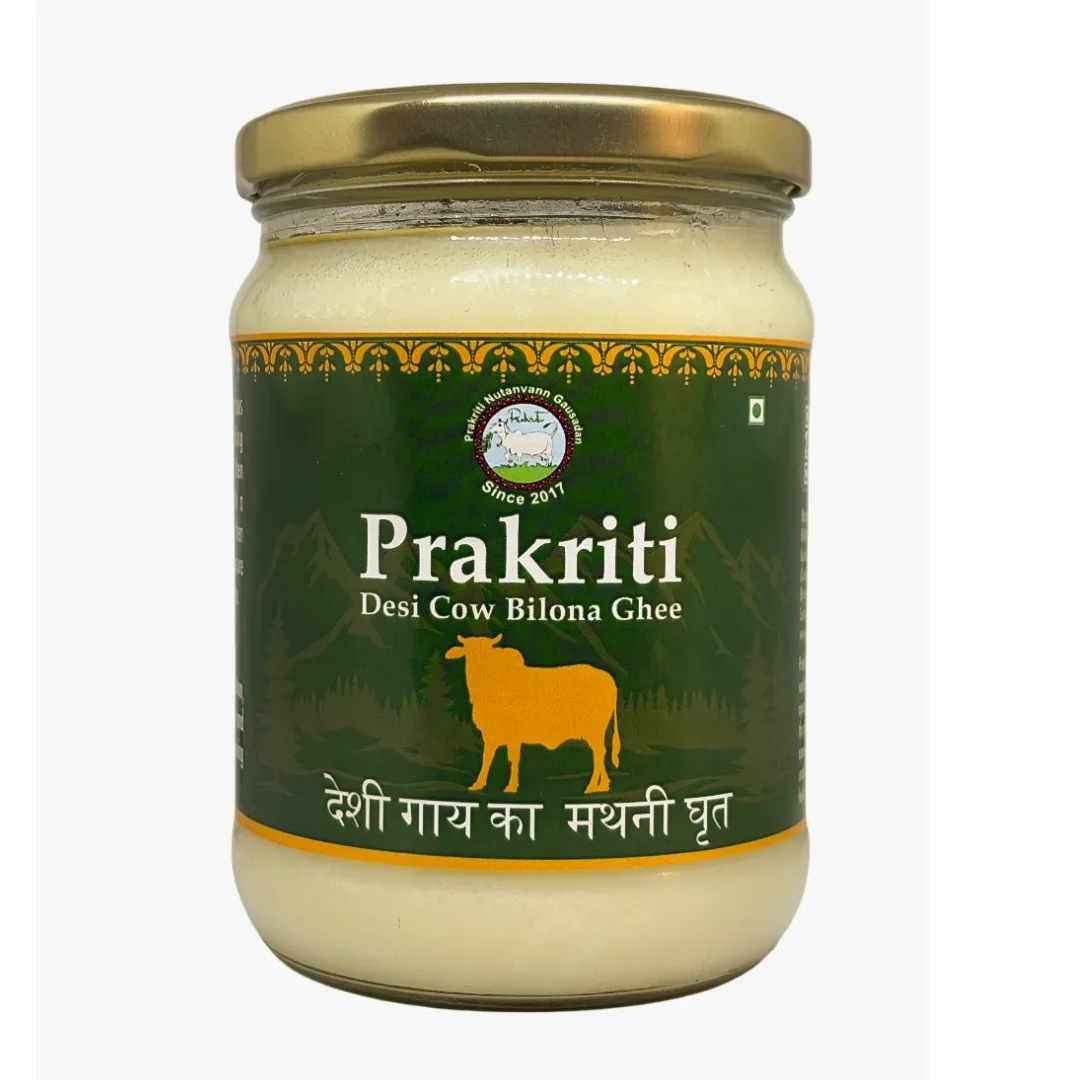

Ghee has been a familiar part of Indian cooking and traditional food practices for generations. Today, different varieties of ghee are available, including Desi Cow Ghee and commercially produced regular ghee. Although both are clarified forms of milk fat, the way the milk is sourced, how the cream or butter is processed, and the traditional method used can influence their characteristics.
Understanding the difference between Desi Cow Ghee and regular ghee can help consumers make a more informed choice based on ingredients, preparation methods, flavour, texture, and intended use.
What Is Desi Cow Ghee?
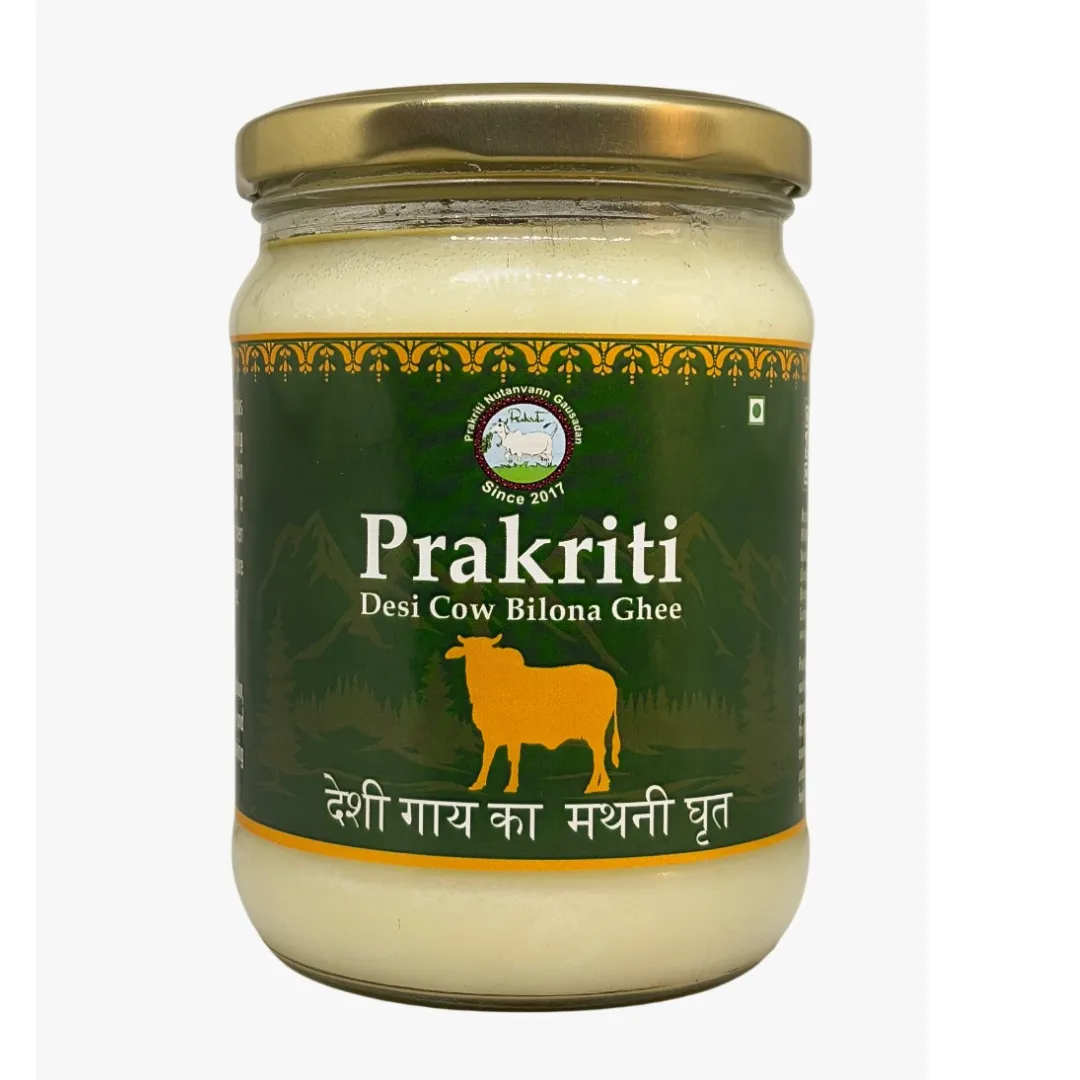
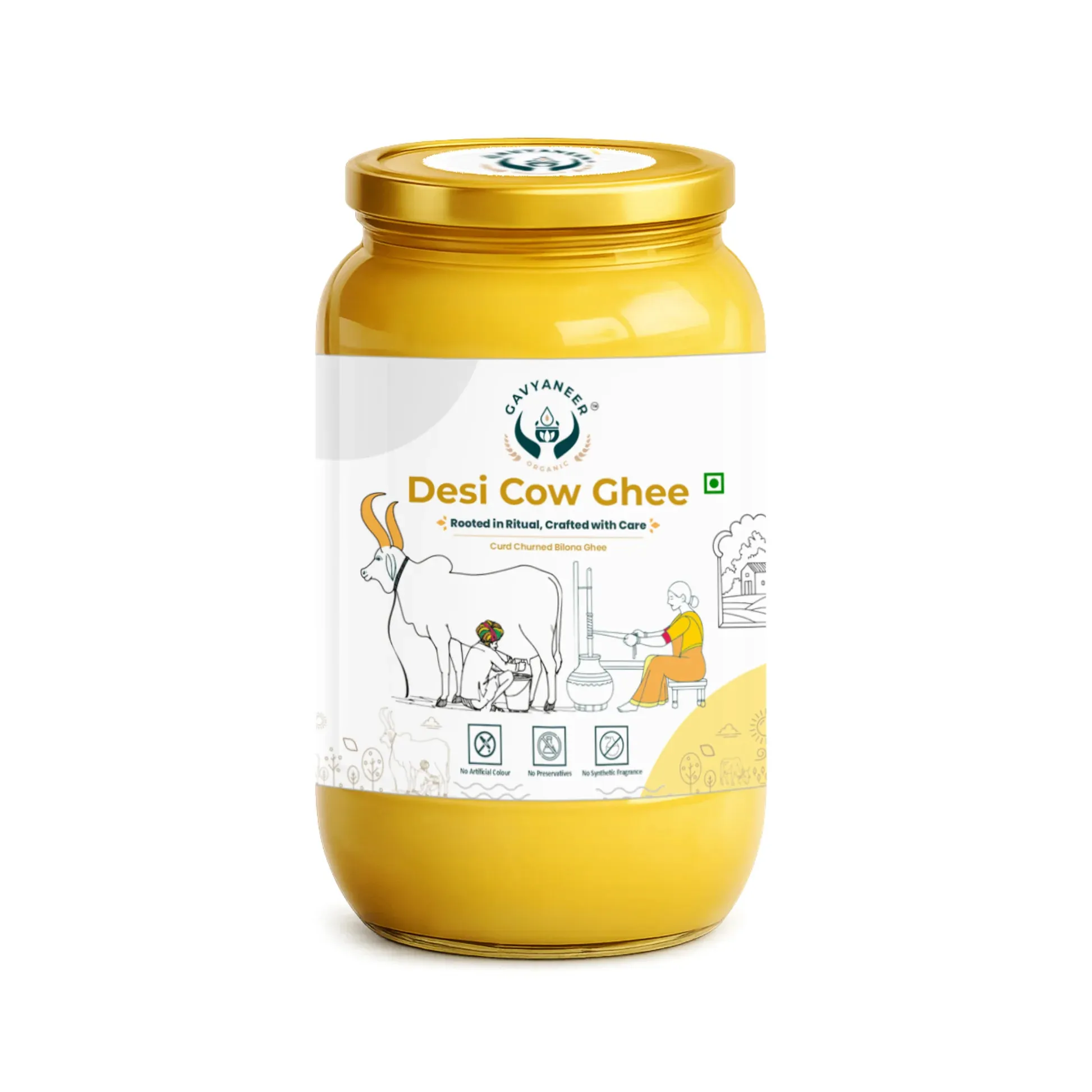
Desi Cow Ghee is ghee made from the milk of indigenous Indian cow breeds. Traditionally, it may be prepared using a process in which milk is first converted into curd, the curd is churned to obtain butter, and the butter is then heated to make ghee.
This traditional method is often associated with the Bilona method, although not every product marketed as Desi Cow Ghee is necessarily prepared using this process. Therefore, checking the product's ingredients and manufacturing information is important.
Desi Cow Ghee is generally valued for its characteristic aroma, golden appearance, rich taste, and traditional culinary use.
What Is Regular Ghee?
Regular ghee is clarified butter or milk fat produced through commercial or conventional processing methods. It can be made from cow milk, buffalo milk, or a combination depending on the product.
Commercial ghee production may involve separating cream from milk, converting the cream into butter, and heating the butter to remove moisture and milk solids. Large-scale manufacturing often uses standardized processes designed to produce consistent flavour, texture, appearance, and shelf stability.
Because the term "regular ghee" can refer to different products, its exact characteristics depend on the milk source and manufacturing process.
Desi Cow Ghee vs Regular Ghee: Key Differences
1. Source of Milk
One of the primary differences is the source of milk.
Desi Cow Ghee specifically refers to ghee associated with indigenous Indian cow breeds. Regular ghee, depending on the product, may be made from cow milk, buffalo milk, or other permitted dairy sources.
Consumers interested in a particular milk source should check the packaging and product information rather than relying only on the appearance of the ghee.
2. Preparation Method
The preparation process can vary considerably.
Traditional Desi Cow Ghee may be produced through a curd-based churning process, commonly known as the Bilona method. In this approach, milk is cultured into curd, churned to separate butter, and the resulting butter is heated to clarify it into ghee.
Commercial ghee can be produced using different methods, including cream-based or butter-based processing. These methods are designed for efficiency and consistency at larger production scales.
The manufacturing method can influence the final flavour, aroma, texture, and appearance.
3. Taste and Aroma
Taste and aroma are noticeable characteristics when comparing different types of ghee.
Desi Cow Ghee prepared using traditional methods may have a rich, distinctive dairy aroma and a pronounced flavour. Regular ghee can also have a pleasant buttery aroma, but its flavour profile may vary according to the milk source, processing technique, and level of refinement.
Factors such as heating temperature and duration can also influence the final aroma.
4. Colour and Texture
The colour of ghee can range from pale yellow to deeper golden shades. Desi Cow Ghee is often associated with a golden appearance, but colour alone cannot confirm its quality or authenticity.
Texture can also vary depending on temperature, milk source, processing method, and storage conditions. Ghee may become softer in warm conditions and more solid when stored at cooler temperatures.
Therefore, appearance should be considered alongside ingredients, sourcing, processing information, and quality standards.
Is Desi Cow Ghee Healthier Than Regular Ghee?
Both Desi Cow Ghee and regular ghee are concentrated sources of fat and provide a significant amount of calories. The nutritional value depends on the specific product and how much is consumed.
It is not accurate to assume that every Desi Cow Ghee is automatically healthier than every regular ghee. Claims about specific health benefits should be evaluated based on reliable nutritional and scientific evidence.
For a balanced diet, portion size and overall dietary pattern are important. People with specific dietary or medical requirements should follow advice from a qualified healthcare professional.
Culinary Uses of Desi Cow Ghee
Desi Cow Ghee can be used in many traditional and modern recipes. It is commonly added to dal, rice, roti, paratha, khichdi, sweets, and other Indian dishes.
Its rich aroma can enhance the flavour of food, while its cooking characteristics make it useful for sautéing, roasting, tempering, and certain forms of frying.
Ghee can also be incorporated into traditional recipes where its distinctive taste is an important part of the dish.
How to Choose Good Quality Desi Cow Ghee
When purchasing Desi Cow Ghee, consider the following factors:
- Check the stated source of milk.
- Read the ingredient list carefully.
- Look for clear information about the manufacturing process.
- Check packaging and storage instructions.
- Verify applicable food-quality certifications or regulatory information.
- Avoid relying solely on colour or aroma to judge authenticity.
- Choose products from transparent and reputable sources.
If a product claims to be made using the Bilona method, checking whether the manufacturer clearly explains the process can provide additional information.
Frequently Asked Questions
Is Desi Cow Ghee the same as regular ghee?
No. Desi Cow Ghee generally refers to ghee made from milk associated with indigenous Indian cow breeds, while regular ghee may come from different dairy sources and processing methods.
Is all Desi Cow Ghee made using the Bilona method?
No. The term Desi Cow Ghee does not automatically mean that the product was prepared using the Bilona method. Always check the manufacturer's processing information.
Why does Desi Cow Ghee have a strong aroma?
Its aroma can be influenced by the milk source, preparation method, heating process, and storage. Traditionally prepared ghee may have a distinctive dairy and nutty aroma.
Can Desi Cow Ghee be used for cooking?
Yes. It can be used for various cooking applications, including tempering, sautéing, roasting, and preparing traditional Indian dishes and sweets.
Does the colour prove that ghee is pure?
No. Colour alone cannot establish purity or authenticity. Ingredients, sourcing, processing information, testing, and quality standards provide more useful indicators.
Final Thoughts
The main differences between Desi Cow Ghee and regular ghee relate to milk source, preparation methods, processing, flavour, aroma, and texture. Desi Cow Ghee is associated with indigenous Indian cow milk and may be produced through traditional methods such as Bilona, while regular ghee can be manufactured through a variety of commercial processes.
Rather than judging ghee solely by its colour or appearance, consumers should examine the source, ingredients, manufacturing process, packaging information, and quality standards. This makes it easier to select a ghee that matches their culinary preferences and dietary needs.
























Sign in to leave a comment.