
In the dynamic landscape of digital design, the success of a product often hinges on the user experience (UX) and user interface (UI). Design thinking, a problem-solving approach that prioritizes empathy and iterative prototyping, has emerged as a powerful methodology to create exceptional UX/UI.
In this blog post, we’ll explore how design thinking can be effectively applied to shape digital experiences and provide a blueprint for achieving outstanding results.
Understanding Design Thinking
Design thinking is not just a process; it’s a mindset that places the user at the center of the design process. The methodology typically involves five key stages: empathize, define, ideate, prototype, and test. These stages foster collaboration, creativity, and a deep understanding of user needs.
Empathy as the Foundation
Empathy is the cornerstone of design thinking. Before diving into design solutions, it’s crucial to understand the users’ perspectives, needs, and pain points. Conducting user interviews, surveys, and observation sessions helps designers gain insights into the target audience. By empathizing with users, designers can create solutions that truly resonate with them.
Defining the Problem
Once empathy has been established, the next step is to define the problem. Clearly articulating the challenges and constraints ensures a focused design process. This stage involves synthesizing the information gathered during the empathize stage to create a problem statement that serves as a guiding beacon throughout the design process.
Ideation for Creative Solutions
Ideation is the phase where creativity takes center stage. Design teams brainstorm and generate a multitude of ideas without judgment. This encourages a free flow of creativity, leading to innovative solutions. Collaborative brainstorming sessions, mind mapping, and other ideation techniques help in exploring diverse possibilities.
Prototyping for Iterative Refinement
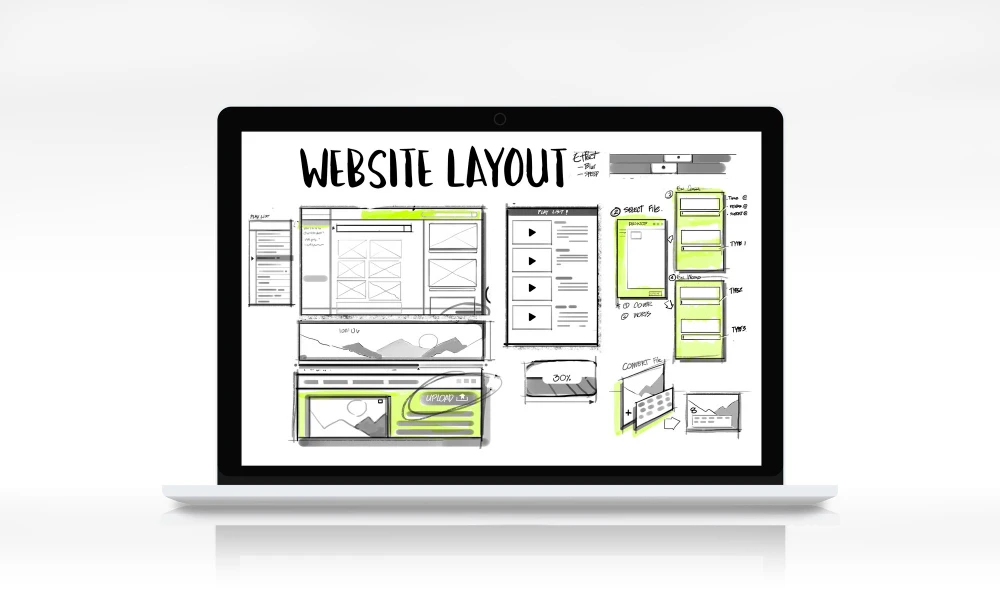
With ideas in hand, the next step is to create tangible prototypes. Prototyping allows designers to quickly visualize and test their concepts. Rapid iterations based on user feedback are a hallmark of design thinking. Tools like Sketch, Figma, or Adobe XD enable designers to swiftly create interactive prototypes that can be refined based on user testing.
Testing to Validate Design
User testing is the litmus test for any design solution. Testing prototypes with actual users provides valuable feedback that can inform further refinements. Designers should be open to constructive criticism and willing to iterate based on user insights. This iterative loop continues until the final design aligns seamlessly with user expectations and needs.
Applying Design Thinking to UI/UX
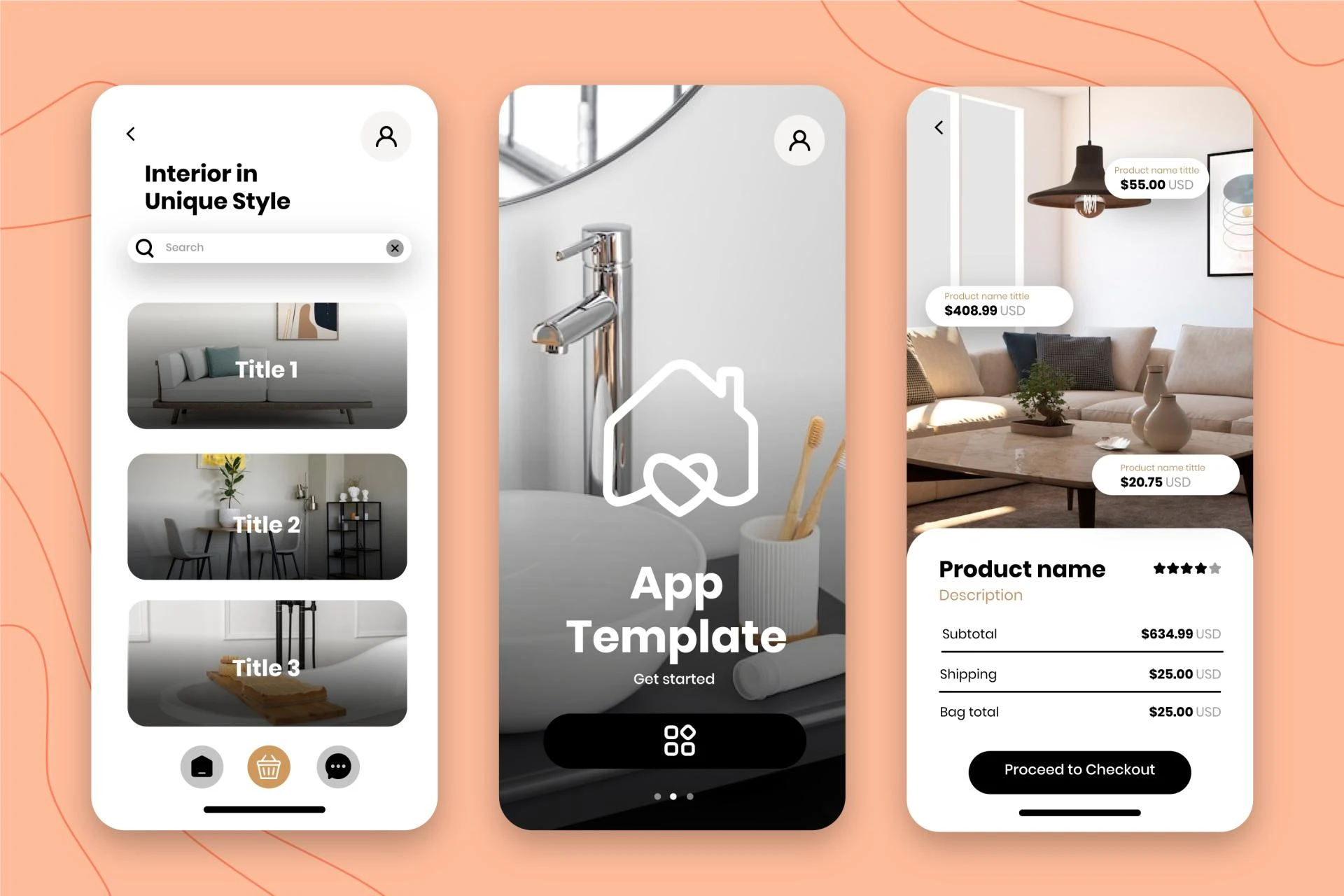
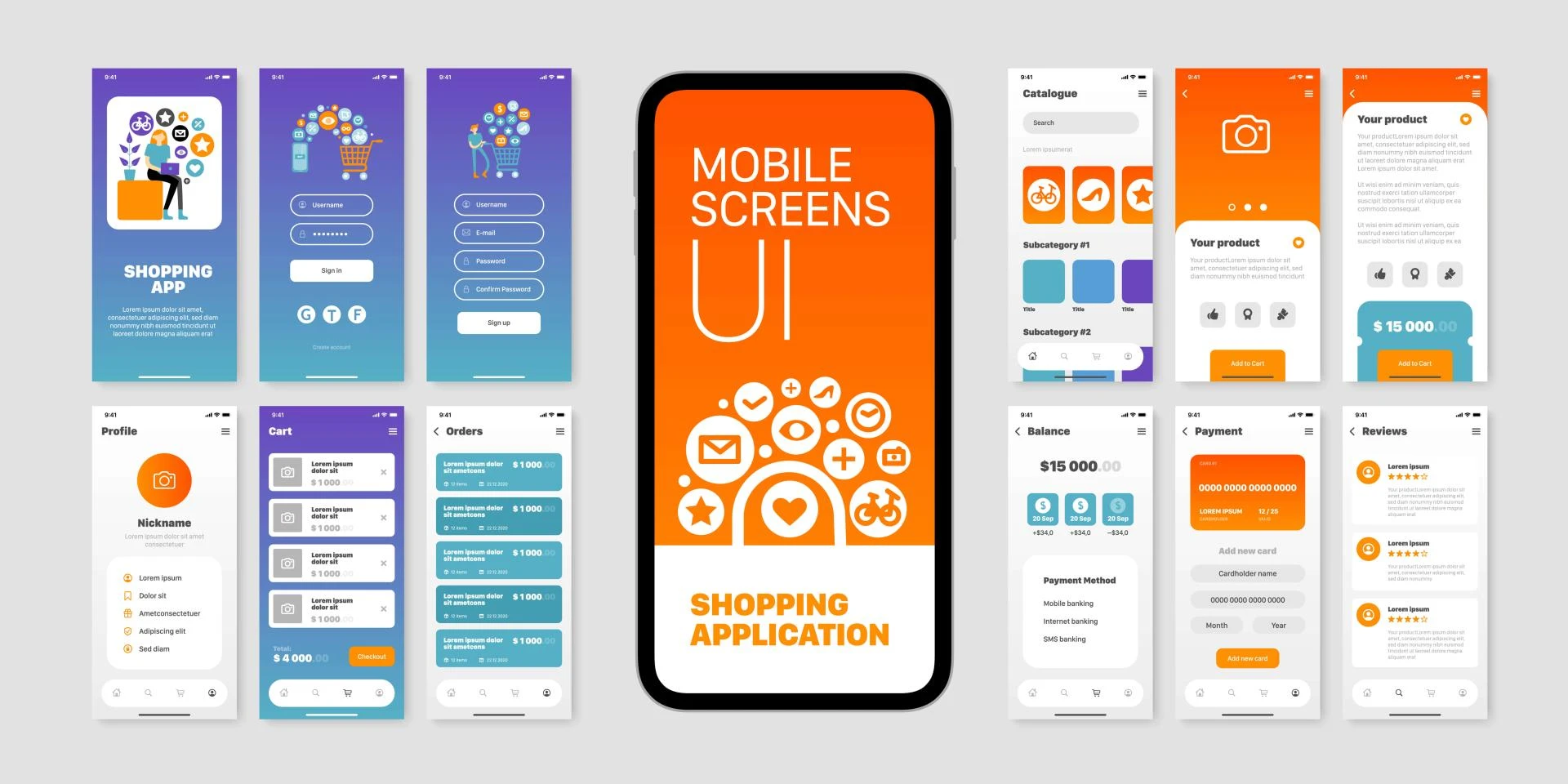
Design thinking is particularly powerful in the realm of UI/UX. By placing users at the forefront, designers can create interfaces that are intuitive, visually appealing, and functional. Whether designing a website, mobile app, or software interface, the principles of design thinking ensure a human-centric approach that resonates with end-users.
Conclusion
In conclusion, the marriage of design thinking and UI/UX is a recipe for success in the competitive world of digital design. By fostering empathy, defining problems, ideating, prototyping, and testing, designers can create user experiences that not only meet but exceed expectations. The blueprint outlined by design thinking provides a structured yet flexible approach to crafting exceptional UI/UX, ultimately leading to products that delight users and stand out in today’s crowded digital landscape.
Visit my Upwork profile for — UI/UX design, Web design & Mobile design


























Sign in to leave a comment.