

In the fast-paced world of digital design, staying ahead of the curve is essential for creating user interfaces and experiences that captivate and engage. Amidst the array of methodologies available to designers, one stands out as a secret weapon—Design Thinking. This approach goes beyond mere aesthetics; it delves into the core of user needs and behaviors, making it an indispensable tool for UI/UX designers.
Understanding Design Thinking:
At its essence, Design Thinking is a human-centric problem-solving methodology that prioritizes empathy, ideation, and experimentation. Initially popularized by design firms like IDEO, it has seamlessly integrated into the UI/UX design process. The approach is iterative, encouraging designers to empathize with users, define their needs, ideate potential solutions, prototype, and test—all in a continuous loop.
Empathy as the Foundation:
One of the pillars of Design Thinking is empathy, the ability to understand and share the feelings of others. In UI/UX design, this translates into gaining a deep understanding of the end-users. Designers immerse themselves in the users' experiences, identifying pain points and gaining insights that shape the design process. By placing empathy at the forefront, UI/UX designers can create solutions that resonate with users on a profound level.
Defining User Needs:
Design Thinking prompts designers to define the problem before attempting to solve it. In the context of UI/UX, this involves understanding user needs, behaviors, and motivations. Through techniques such as user interviews, surveys, and analytics, designers can pinpoint the key challenges users face. This clarity sets the stage for a more focused and effective design process.
Ideation for Innovative Solutions:
Once the problem is defined, Design Thinking encourages a divergent thinking approach—ideation. This is the stage where designers brainstorm and generate a multitude of ideas, aiming for quantity over quality initially. In the realm of UI/UX, ideation sparks creativity, leading to innovative solutions that might not have been apparent through conventional methods.
Prototyping and Testing:
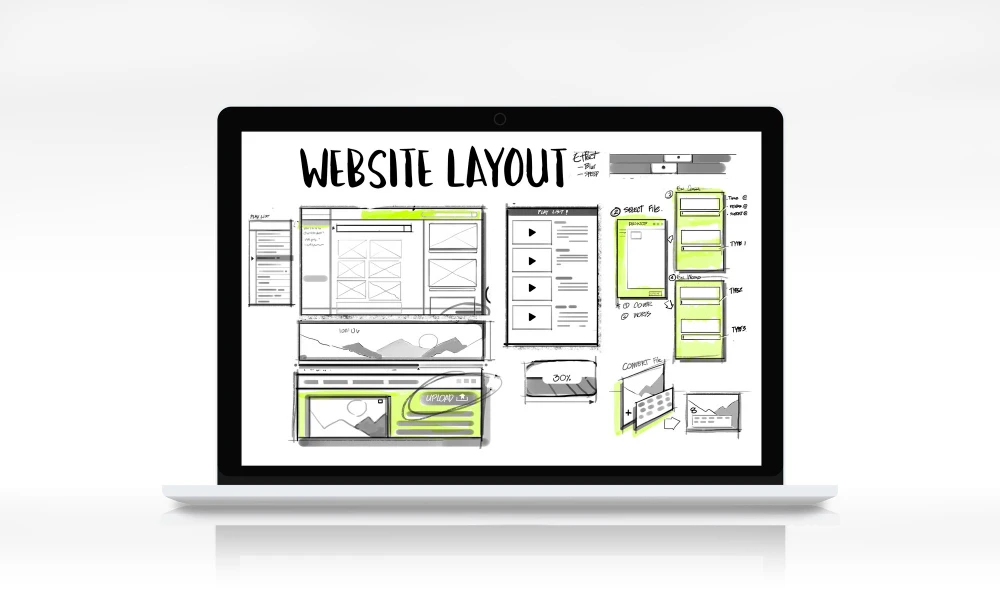
Design Thinking emphasizes rapid prototyping as a means to bring ideas to life quickly. For UI/UX designers, this translates to creating low-fidelity prototypes that allow for quick iteration based on user feedback. The testing phase is crucial, as it validates assumptions and ensures that the design aligns with user expectations. Through this iterative process, UI/UX designers refine their solutions, ultimately delivering a product that meets user needs effectively.
Breaking Down Silos:
Design Thinking is not confined to designers alone; it encourages collaboration across disciplines. UI/UX designers work in tandem with developers, marketers, and other stakeholders, fostering a holistic approach to problem-solving. This interdisciplinary collaboration ensures that the final product not only looks good but functions seamlessly and aligns with business goals.
Conclusion:
In the ever-evolving landscape of UI/UX design, Design Thinking emerges as the secret weapon that empowers designers to create solutions that resonate with users on a profound level. By prioritizing empathy, defining user needs, ideating for innovation, and embracing rapid prototyping and testing, UI/UX designers can navigate the complexities of digital design with a strategic and human-centric mindset. Design Thinking is not just a methodology; it's a mindset that elevates UI/UX design from aesthetics to an impactful and meaningful user experience.
Visit my Upwork profile for - UI/UX design, Web design & Mobile design



























Sign in to leave a comment.