
In the realm of design, there is an ongoing battle between functionality and beauty. Designers strive to create products and experiences that are not only visually appealing but also highly functional. This clash of priorities often leads to what is known as the "Design Wars," where designers must find a balance between these two competing factors.
Introduction
Design Wars refer to the constant struggle designers face when trying to prioritize functionality over beauty or vice versa. While functionality focuses on the usability and practicality of a design, beauty emphasizes aesthetics and visual appeal. Both aspects are crucial in creating successful designs that resonate with users.
The Role of Functionality
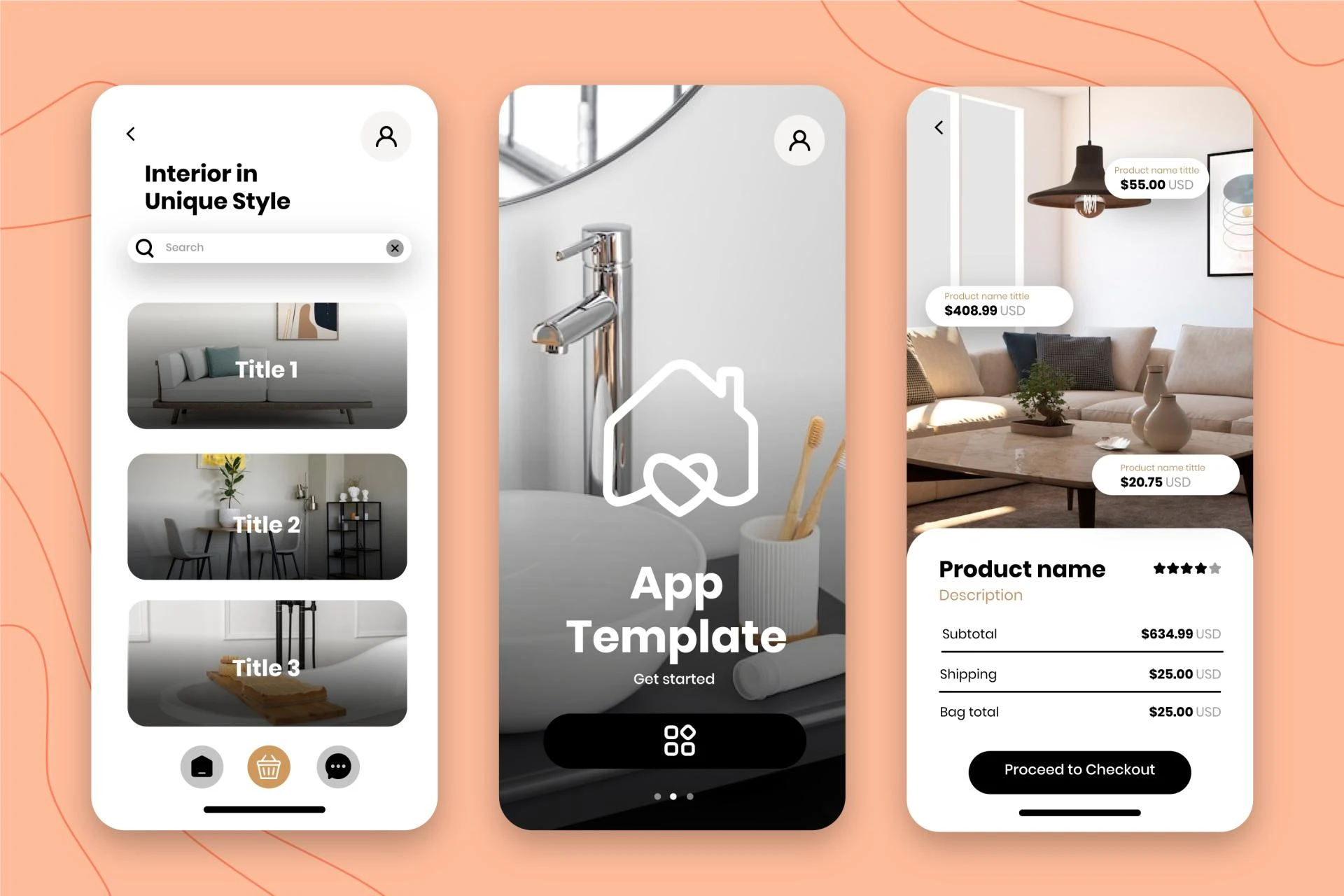
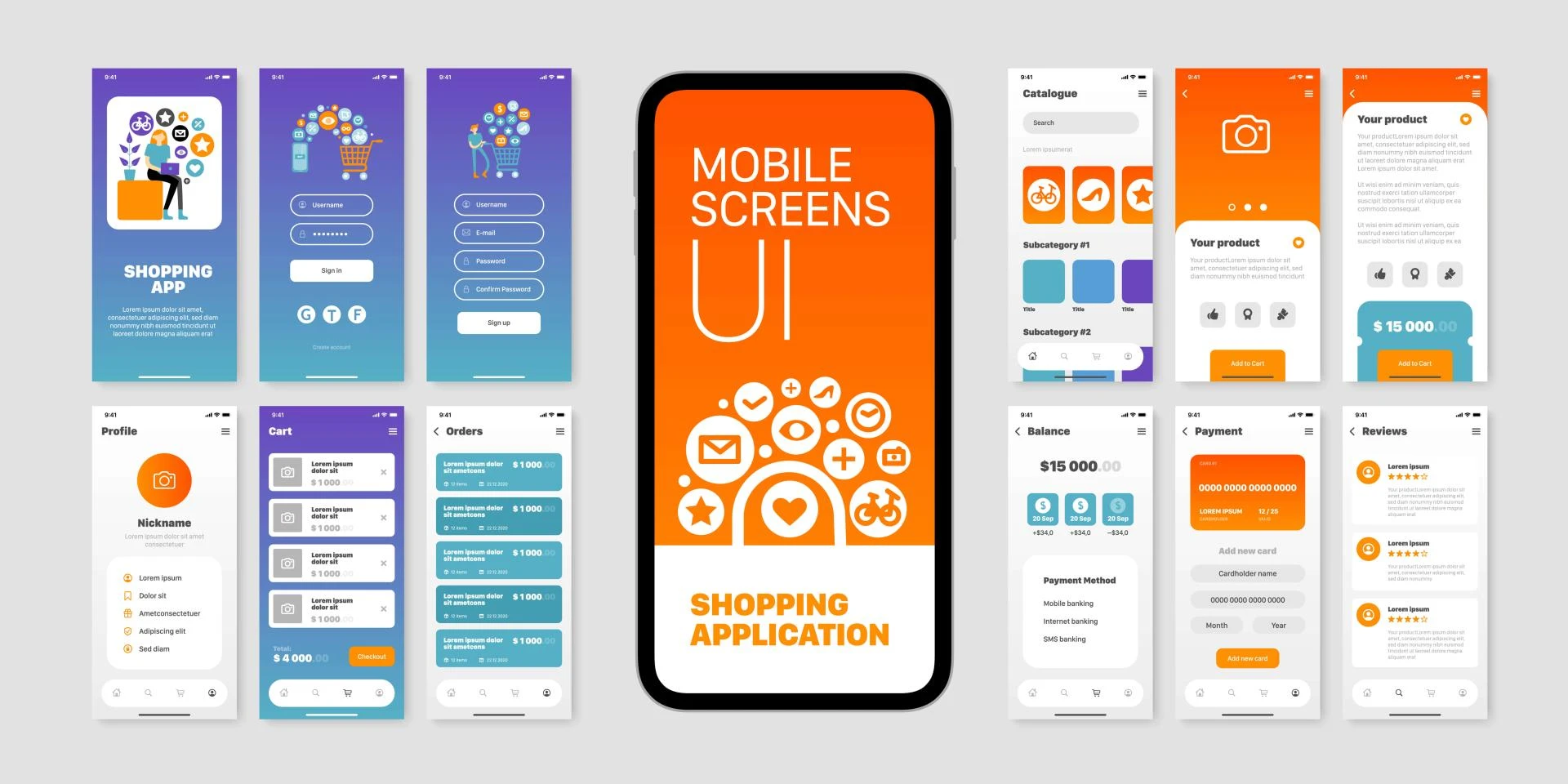
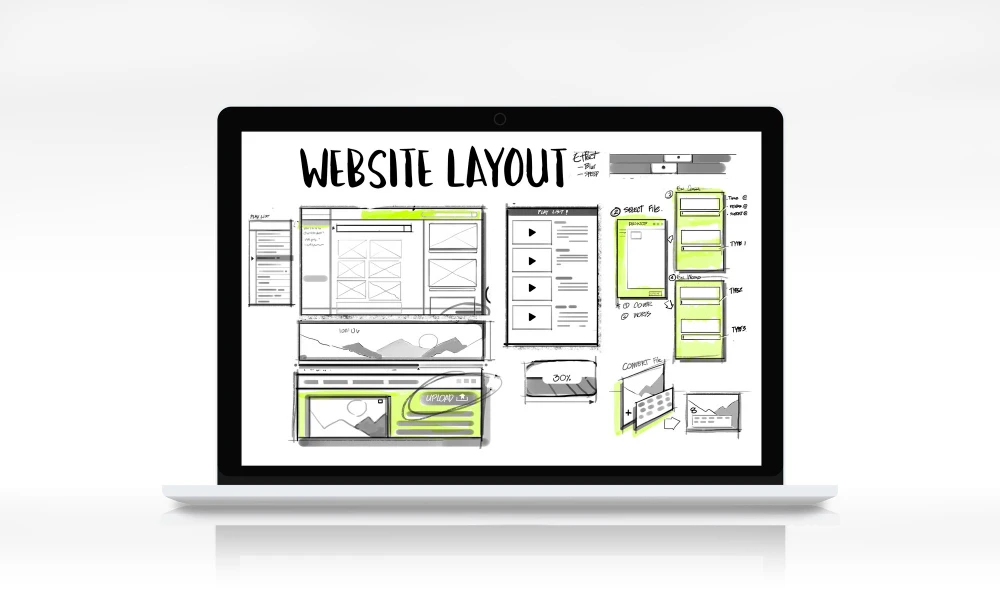
Functionality in design refers to how well a product or experience serves its purpose. Functional designs are intuitive, efficient, and easy to use. For example, the layout of a website should make it easy for users to navigate and find the information they need quickly.
Prioritizing functionality has several benefits, including improved user satisfaction, increased productivity, and reduced frustration. When designers focus on making their designs functional, they create products that are more likely to succeed in the market.
The Role of Beauty
Beauty in design goes beyond aesthetics; it encompasses the emotional response a design evokes in users. Beautiful designs are visually appealing and can create a sense of delight or awe. For example, the sleek design of a smartphone can evoke a feeling of luxury and sophistication.
Prioritizing beauty is essential because it helps designers create products that users are drawn to. Beautiful designs can enhance the user experience and make a product more memorable and impactful.
Challenges in Design
One of the main challenges in design is balancing functionality and beauty. Designers must find a middle ground where both aspects are given equal consideration. This balance can be difficult to achieve, especially when there are conflicting opinions within a design team or when trying to meet tight deadlines.
Another challenge is meeting user expectations. Users have become accustomed to high-quality designs that are both functional and beautiful. Meeting these expectations requires designers to stay updated with the latest design trends and technologies.
User Preferences in Design
Ultimately, the success of a design depends on the preferences of its users. Designers must understand their target audience and tailor their designs to meet their needs and expectations. By prioritizing user preferences, designers can create designs that resonate with their audience and stand out in the market.
Strategies for Success
To succeed in the Design Wars, designers should adopt a user-centric design approach. This involves understanding the needs and preferences of users and incorporating them into the design process. Additionally, designers should embrace an iterative design process, where designs are continuously refined based on user feedback.
Collaboration between design and development teams is also crucial. By working together, teams can ensure that designs are not only visually appealing but also technically feasible. This collaboration can lead to more innovative and successful designs.
Conclusion
In conclusion, the Design Wars highlight the importance of balancing functionality and beauty in design. Both aspects are essential in creating successful designs that resonate with users. By adopting a user-centric design approach, embracing an iterative design process, and fostering collaboration between design and development teams, designers can navigate the Design Wars successfully.
Visit my Upwork profile for — UI/UX design, Web Design, Mobile design & Web app designer
Check out my amazing project catalog — iOS or Android Mobile APP UX/UI Design, Responsive website design & Crypto & NFT Mobile App UI Design
























Sign in to leave a comment.