

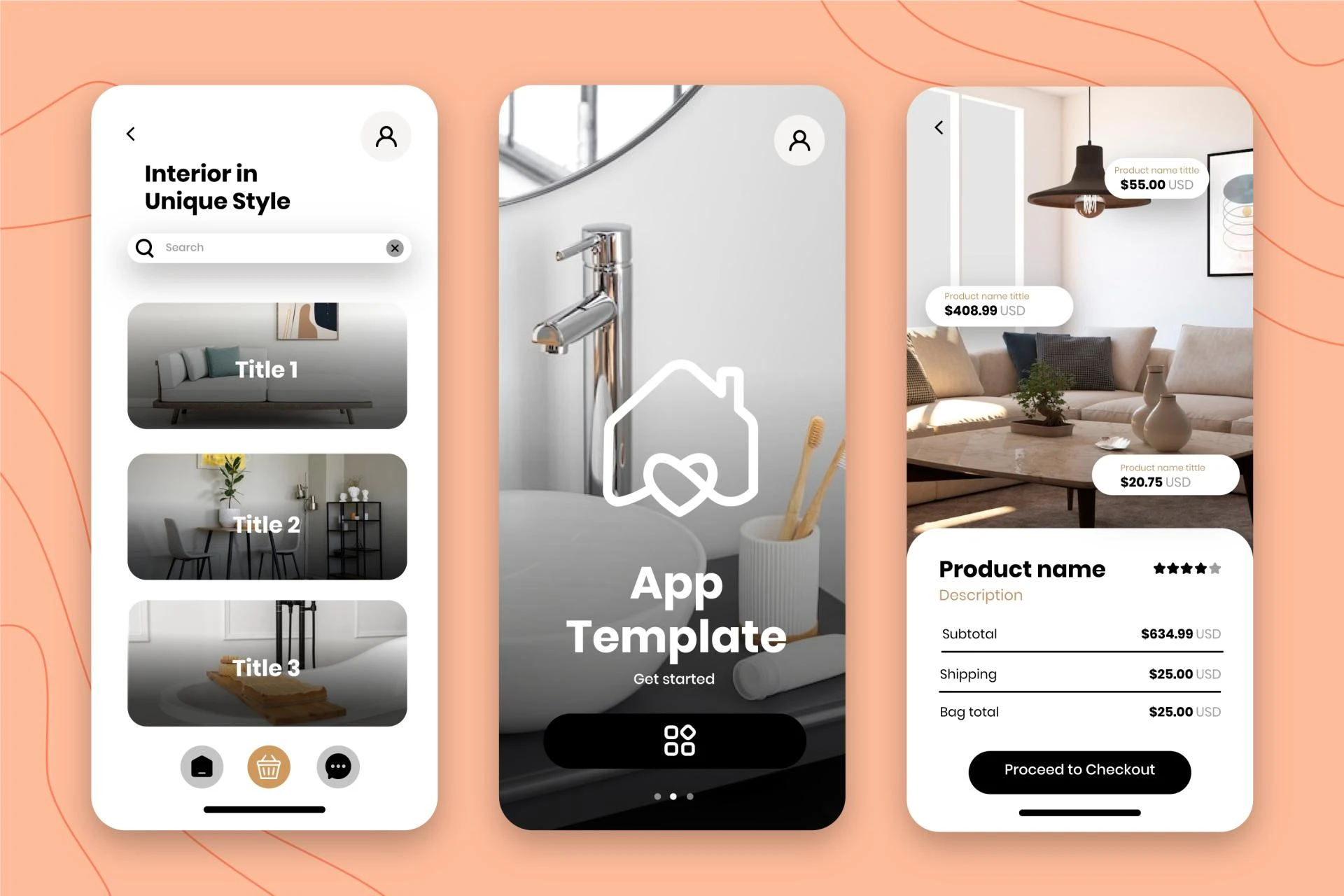
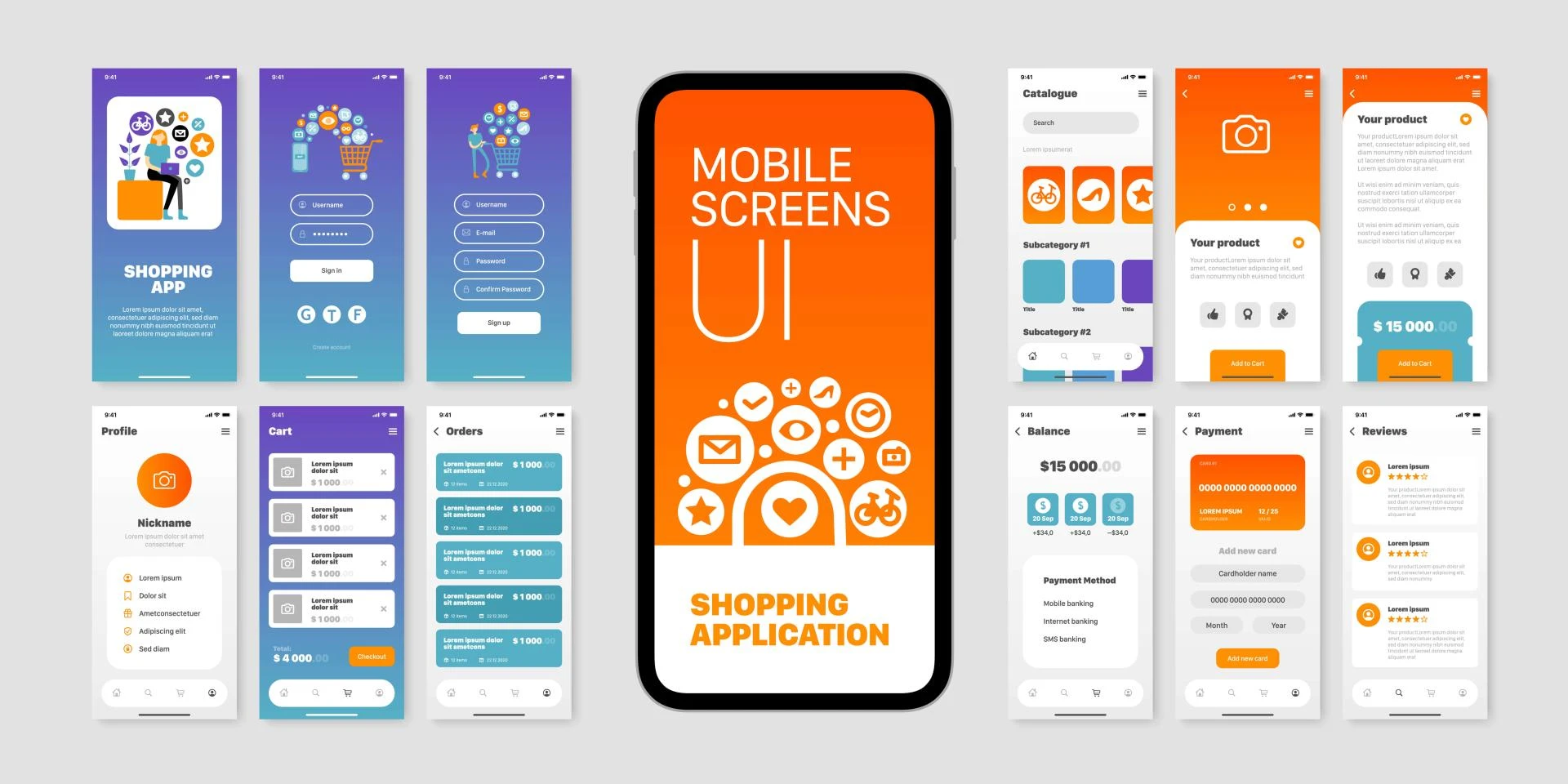
Designing delightful user experiences (UI/UX) is a multifaceted endeavor that blends aesthetics, functionality, and psychology. It's about creating digital interactions that leave users not just satisfied, but genuinely delighted. In this deep dive into UI/UX principles, we'll explore the core concepts that underpin the creation of delightful experiences:
1. User-Centered Design
At the heart of every great UX is a user-centric approach. Understanding your users' needs, goals, and pain points is the foundation of exceptional design. Conduct user research, create personas, and empathize with your audience to inform your design decisions.
2. Usability and Accessibility
Usability and accessibility go hand in hand. Your design should make it easy for users to accomplish tasks and access content. Ensure your interface is intuitive, responsive, and follows accessibility guidelines to include users of all abilities.
3. Visual Hierarchy
Visual hierarchy is about guiding users' attention to the most important elements on a page. Use typography, color, size, and placement to establish a clear hierarchy that leads users through the content and actions logically.
4. Consistency and Branding
Consistency breeds familiarity and trust. Maintain a consistent design language and branding throughout your product. This includes colors, fonts, icons, and the overall visual style. Consistency reinforces your brand identity and helps users feel at ease.
5. Microinteractions
Microinteractions are subtle animations or feedback cues that enhance the user experience. They can be as simple as a button changing color when hovered over or more complex animations. Well-crafted microinteractions add a layer of delight and interactivity to your design.
6. Information Architecture
Organize content in a logical and intuitive manner. Effective information architecture ensures that users can easily find what they're looking for. Use clear labels, categories, and navigation menus to structure content effectively.
7. Feedback and Response
Users appreciate knowing that their actions have an impact. Provide feedback for every user interaction, whether it's a button press, a form submission, or a navigation choice. Feedback can be visual (animations), auditory (sounds), or haptic (vibrations).
8. Performance Optimization
Slow-loading websites and laggy interactions can quickly frustrate users. Optimize performance by minimizing page load times and ensuring smooth interactions. A responsive and fast product contributes to a positive UX.
9. Emotional Design
Designing with emotions in mind can create a powerful connection with users. Consider the emotional impact of colors, visuals, and storytelling in your design. evoke the desired emotions that align with your brand.
10. Continuous Testing and Iteration
UI/UX design is an iterative process. Regularly test your design with real users and gather feedback. Use this feedback to make improvements and refinements to your interface. Never stop striving for a better user experience.
Conclusion
Designing delightful UI/UX experiences is both an art and a science. It involves understanding users, applying design principles, and continuously refining your work. Delightful experiences not only satisfy users but also create loyal customers and brand advocates. Keep these principles in mind as you embark on your journey to craft exceptional digital interactions.
Visit my Upwork profile for - UI/UX design, Web design & Mobile design






























Sign in to leave a comment.