
In today’s digital age, user experience (UX) has become a critical factor in the success of any product or service. Designing for delight goes beyond just meeting user needs; it aims to create experiences that leave a lasting impression. This article explores the principles, process, and key elements of designing for delight, along with real-world examples and future trends.
Understanding User Experience (UX)
What is UX Design?
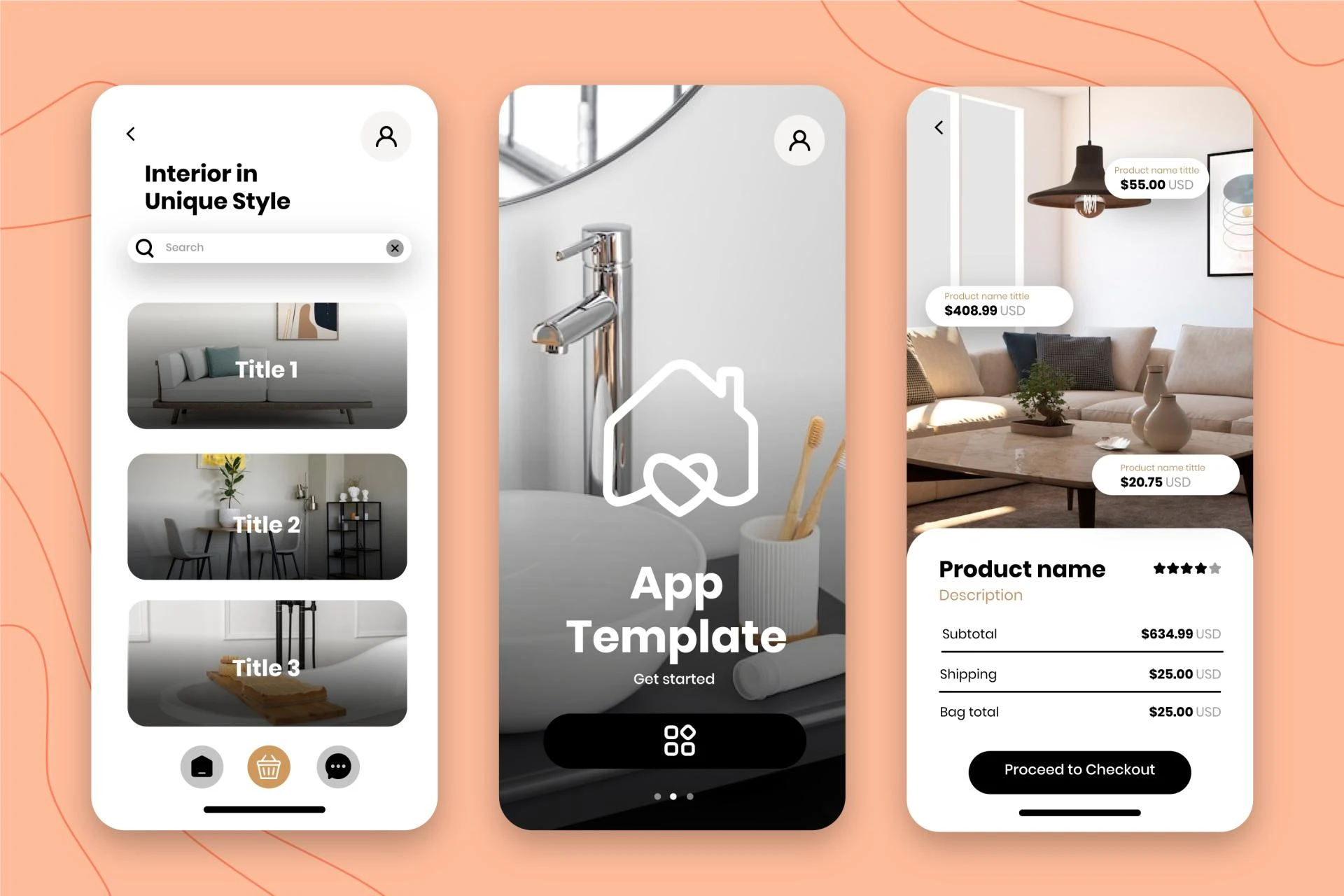
User Experience (UX) design is the process of enhancing user satisfaction by improving the usability, accessibility, and pleasure provided in the interaction between the user and a product.
Why is UX Design Important?
Good UX design can significantly impact user behavior, leading to increased customer loyalty, higher conversion rates, and overall business success.
Principles of Delightful UX Design
Simplicity
Keep the design simple and intuitive, focusing on the most important features to avoid overwhelming the user.
Consistency
Maintain consistency in design elements such as colors, fonts, and layout to create a cohesive and familiar experience.
Clarity
Ensure that information is presented clearly and concisely, making it easy for users to understand and navigate the interface.
User Feedback
Incorporate user feedback throughout the design process to continually improve the user experience based on real user insights.
Process of Creating Delightful UX
Research
Understand the target audience, their needs, and pain points through user research, surveys, and interviews.
Ideation
Brainstorm and generate ideas for how to address user needs and create innovative solutions.
Design
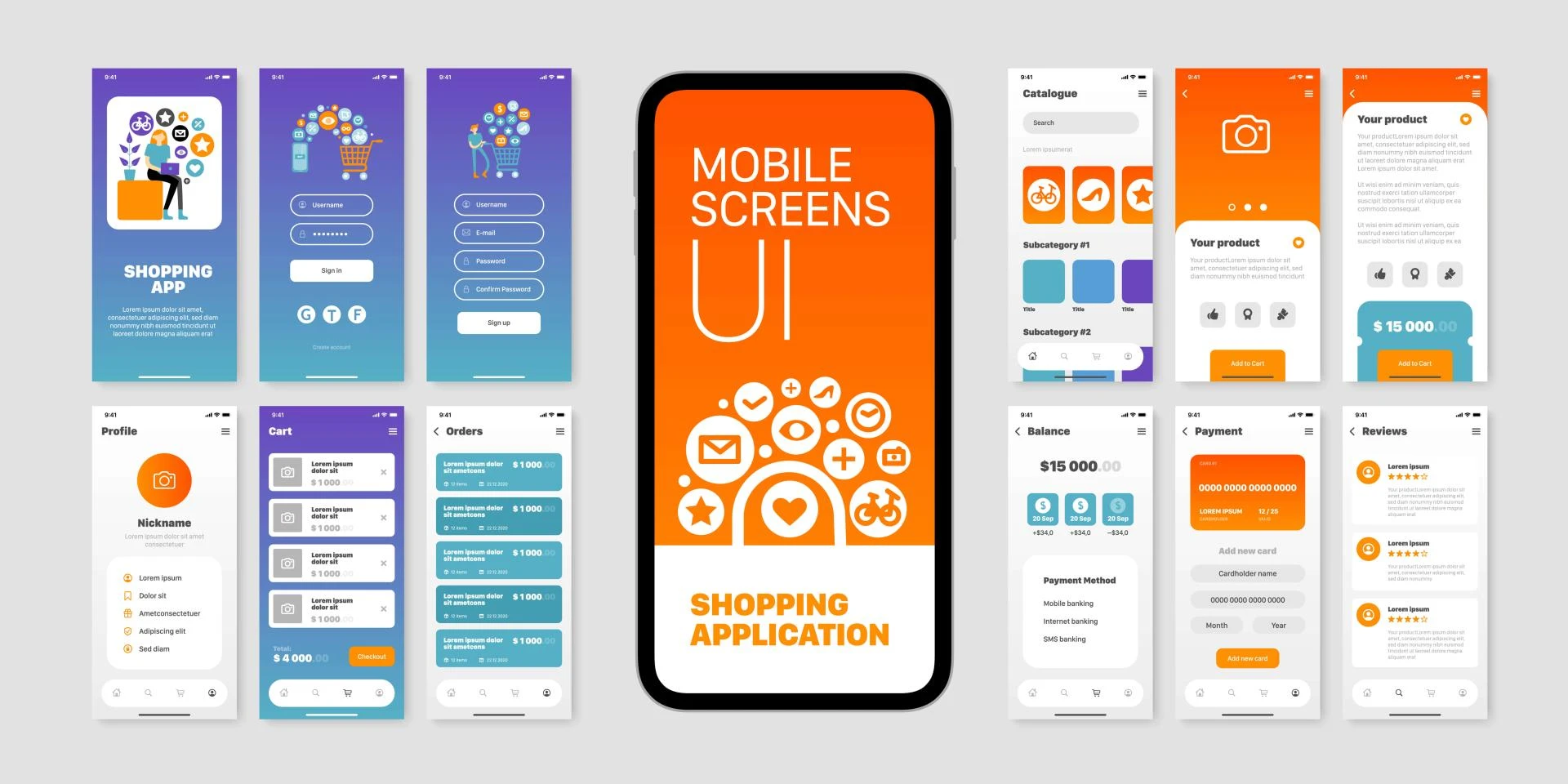
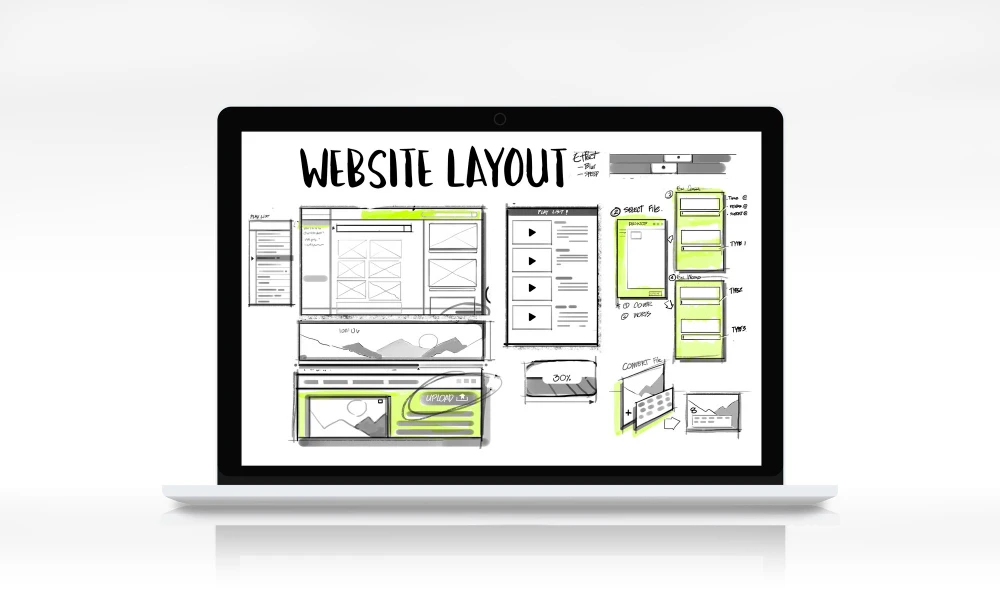
Create prototypes and visual designs based on the research and ideation phase, focusing on usability and aesthetics.
Testing
Test the prototypes with real users to gather feedback and make iterative improvements.
Key Elements of Memorable UX Design
Visual Design
Use appealing visuals, colors, and typography to create a visually pleasing experience.
Interaction Design
Focus on how users interact with the product, ensuring that interactions are intuitive and seamless.
Information Architecture
Organize content in a clear and logical manner, making it easy for users to find what they’re looking for.
Usability
Ensure that the product is easy to use and navigate, reducing friction and enhancing the overall user experience.
Tools and Technologies for UX Design
There are many tools available to help UX designers create delightful experiences, including prototyping tools like Adobe XD, Figma, and Sketch, as well as usability testing tools like User Testing and Hotjar.
Challenges in Designing for Delight
Some of the challenges in designing for delight include balancing simplicity with functionality, staying updated with evolving user expectations, and ensuring accessibility for all users.
Future Trends in UX Design
The future of UX design is likely to focus on personalization, immersive experiences (such as AR and VR), and voice interfaces, all aimed at creating more engaging and delightful experiences for users.
Conclusion
In conclusion, designing for delight is not just about creating functional products; it’s about creating experiences that leave a lasting impression. By following the principles and process of UX design, focusing on key elements, and staying updated with trends, designers can create memorable experiences that delight users.
Visit my Upwork profile for - UI/UX design, Web design & Mobile design


























Sign in to leave a comment.