
In the modern digital landscape, user engagement is a key factor in the success of any product or service. One innovative approach that has gained significant attention is gamification. By incorporating game elements into non-game contexts, designers can enhance user engagement, motivation, and loyalty. In this article, we will explore the concept of gamification and discuss how to effectively design for it to maximize its benefits.
Introduction
What is gamification?
Gamification is the process of integrating game mechanics and elements into non-game contexts to motivate participation, engagement, and loyalty. By leveraging the psychological aspects of games, such as competition, rewards, and achievements, gamification aims to make tasks more enjoyable and engaging.
Benefits of gamification in user engagement
Increased user motivation: By adding game elements such as points, badges, and leaderboards, users are motivated to engage with the product or service.Improved learning and retention: Gamification can enhance learning by providing immediate feedback and a sense of progression.Enhanced user experience: Games are inherently engaging, and by incorporating game elements, designers can create a more enjoyable user experience.Understanding Gamification
Core principles of gamification
Clear goals: Gamification should have clear objectives to guide user behavior.Progression: Users should feel a sense of progression and achievement as they engage with the gamified system.Feedback: Immediate feedback is crucial to reinforce desired behaviors and actions.Psychological aspects of gamification
Motivation: Gamification leverages intrinsic and extrinsic motivators to encourage desired behaviors.Engagement: By tapping into the desire for mastery and achievement, gamification keeps users engaged over time.Common game elements used in gamification
Points: Users earn points for completing tasks or achieving milestones.Badges: Badges are awarded for specific accomplishments, serving as a visual representation of achievements.Leaderboards: Leaderboards rank users based on their performance, fostering competition and social interaction.Designing for Gamification
User-centered design approach
Understand the target audience: Designers should have a deep understanding of the users' needs, preferences, and motivations.Iterative design process: Gamification design should be iterative, with constant feedback from users to refine the experience.Incorporating game elements effectively
Balance challenge and skill: The difficulty level of the gamified tasks should be balanced to maintain user engagement without causing frustration.Provide rewards: Rewards, such as virtual goods or discounts, can motivate users to continue engaging with the gamified system.Gamification in different types of interfaces
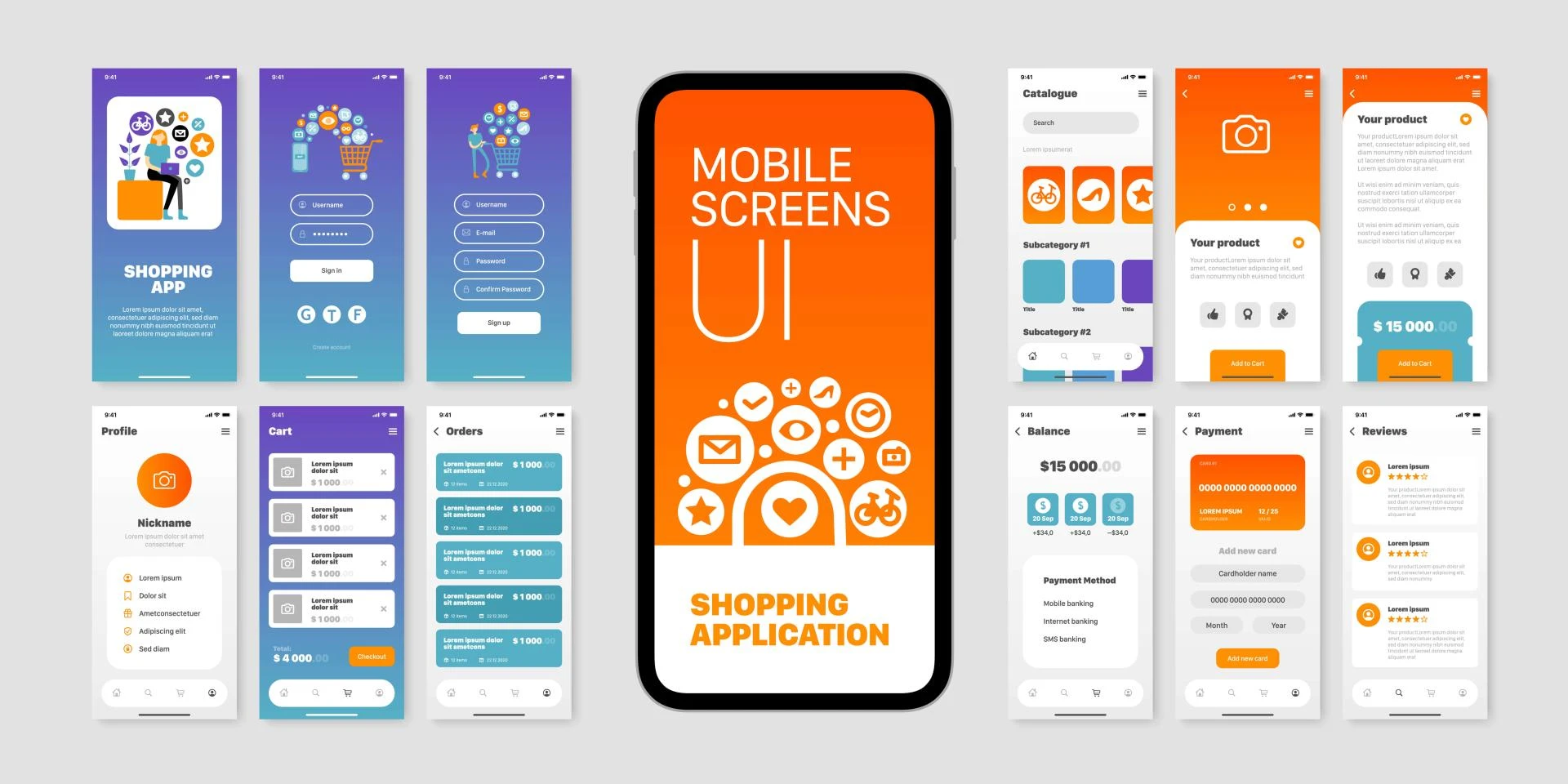
Web design: Gamification can be used to enhance user engagement on websites, encouraging users to explore and interact with the content.Mobile apps: Mobile apps can leverage gamification to increase user retention and create a more enjoyable user experience.Best Practices
Setting clear goals
Define clear objectives for the gamified system, ensuring that users understand what is expected of them.Align goals with user motivations to increase engagement and participation.Providing instant feedback
Immediate feedback reinforces desired behaviors and motivates users to continue engaging with the system.Feedback should be meaningful and relevant to the user's actions.Encouraging social interaction
Social features, such as leaderboards and challenges, can encourage users to compete with friends and share their achievements.Social interaction adds a social element to the gamified experience, making it more enjoyable and engaging.Maintaining simplicity and clarity
Keep the gamified system simple and easy to understand, avoiding complexity that may confuse or frustrate users.Use clear instructions and feedback to guide users through the experience.Gamification in fitness apps
Fitbit: Fitbit uses gamification to motivate users to stay active, with features such as challenges and badges for achieving fitness goals.Zombies, Run!: This app gamifies running by immersing users in a zombie apocalypse story, motivating them to run to survive.Gamification in loyalty programs
Starbucks Rewards: Starbucks uses gamification to reward customers for purchases, with users earning stars that can be redeemed for free drinks and food items.Sephora Beauty Insider: Sephora's loyalty program gamifies the shopping experience, with members earning points for purchases and receiving rewards such as exclusive discounts and samples.Challenges and Solutions
Overcoming user fatigue
To prevent users from becoming bored or fatigued with the gamified experience, designers should regularly introduce new challenges and rewards.Personalization can also help maintain user interest by tailoring the experience to individual preferences and behaviors.Balancing challenge and skill
Designers should carefully balance the difficulty level of the gamified tasks to ensure they are challenging enough to be engaging but not so difficult as to be frustrating.Providing users with the ability to adjust the difficulty level can help cater to different skill levels.Ensuring ethical use of gamification
Designers should be mindful of the potential negative consequences of gamification, such as addiction or exploitation.Ethical design principles, such as transparency and user consent, should guide the implementation of gamification to ensure it is used responsibly.Future Trends
Personalization in gamification
The future of gamification lies in personalization, with systems adapting to individual preferences and behaviors to create a more tailored experience.Personalized rewards and challenges can increase user engagement and motivation.Integration with augmented reality
Augmented reality (AR) offers new opportunities for gamification, allowing for more immersive and interactive experiences.AR can enhance the real-world environment with digital elements, creating a more engaging and dynamic gamified experience.Gamification in non-traditional industries
Gamification is expanding beyond traditional industries such as gaming and education, with applications in healthcare, marketing, and employee training.Industries are leveraging gamification to enhance user engagement, promote behavior change, and improve productivity.Conclusion
In conclusion, designing for gamification requires a user-centered approach that leverages game elements to enhance user engagement and motivation. By understanding the core principles of gamification and incorporating game elements effectively, designers can create compelling and enjoyable experiences that drive user participation and loyalty.
Visit my Upwork profile for - UI/UX design, Web design & Mobile design























Sign in to leave a comment.