
Introduction
In today's digital age, where attention spans are shorter than ever, effective marketing requires more than just catchy slogans and compelling offers. Design plays a crucial role in capturing and retaining the interest of potential customers. This article explores how design can drive conversions in marketing strategies.
Importance of Design in Marketing
Creating a Strong First Impression
In marketing, first impressions matter. A well-designed website, logo, or packaging can instantly grab the attention of consumers and make a positive impression. This initial engagement can lead to further exploration of the brand and its offerings.
Enhancing Brand Recognition
Consistent and cohesive design elements across all marketing channels help establish brand identity and make the brand more recognizable. This familiarity builds trust and loyalty among consumers, leading to higher conversion rates.
Communicating Brand Values
Design is a powerful tool for conveying brand values and messaging. Through the use of colors, imagery, and typography, brands can communicate their identity, values, and unique selling points, resonating with their target audience and driving conversions.
Design Elements That Drive Conversions
Color Psychology
Colors evoke emotions and can influence consumer behavior. Understanding color psychology and using appropriate colors in design can help create the right mood and evoke desired responses from consumers, ultimately leading to higher conversion rates.
Typography
Typography plays a crucial role in design, impacting readability and conveying brand personality. Choosing the right fonts and styles can make content more engaging and persuasive, leading to increased conversions.
Imagery and Graphics
Visual elements such as images and graphics are powerful tools for capturing attention and conveying information. High-quality visuals can make content more appealing and memorable, increasing the likelihood of conversion.
User Experience (UX) Design
Importance in Conversion Optimization
User experience (UX) design focuses on enhancing the usability and accessibility of websites and apps. A well-designed user experience can make it easier for consumers to find what they're looking for and complete desired actions, leading to higher conversion rates.
Elements of Good UX Design
Good UX design involves understanding user needs and preferences and designing interfaces that are intuitive, efficient, and enjoyable to use. Elements such as clear navigation, responsive design, and fast load times contribute to a positive user experience and drive conversions.
User Interface (UI) Design
Enhancing User Interaction
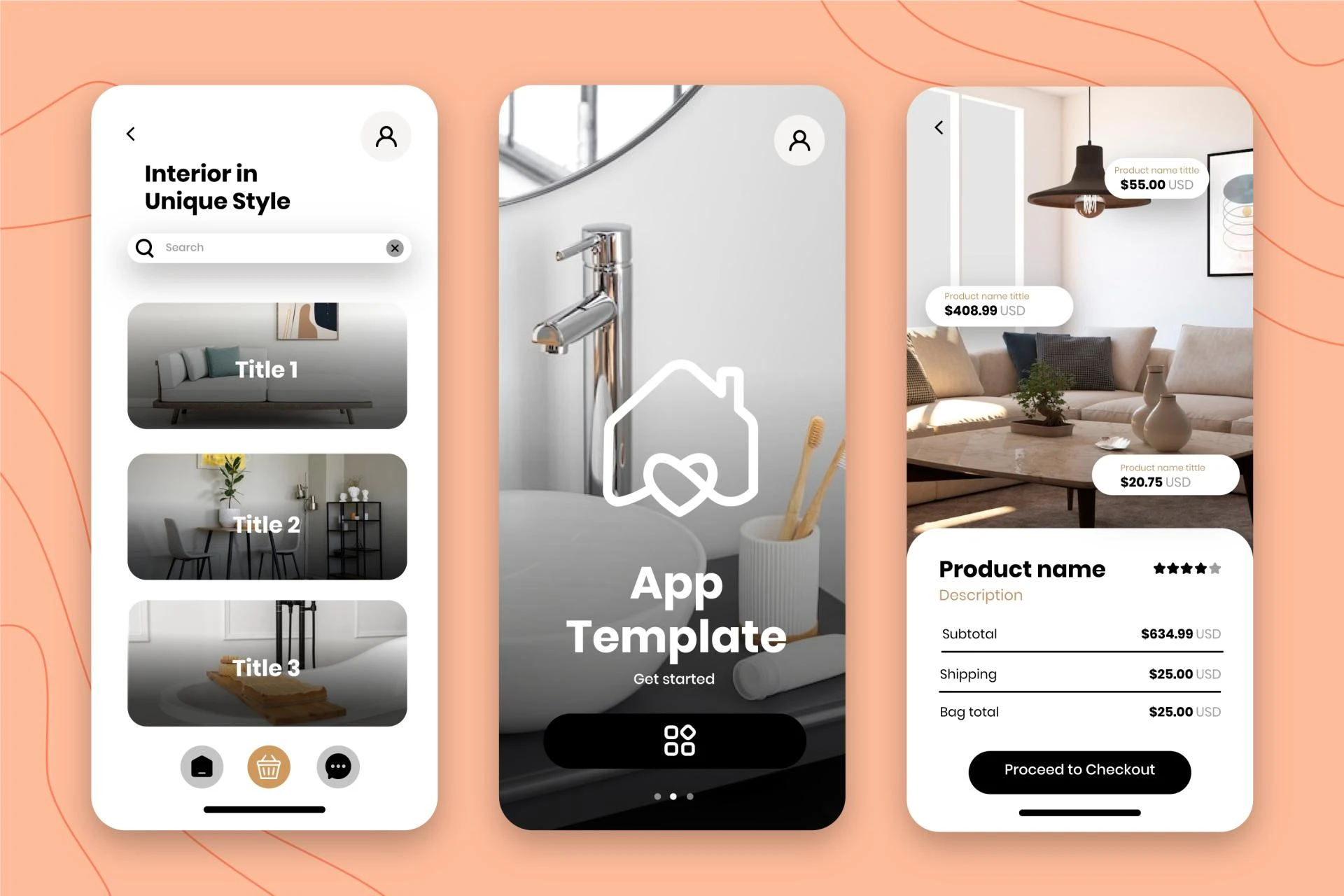
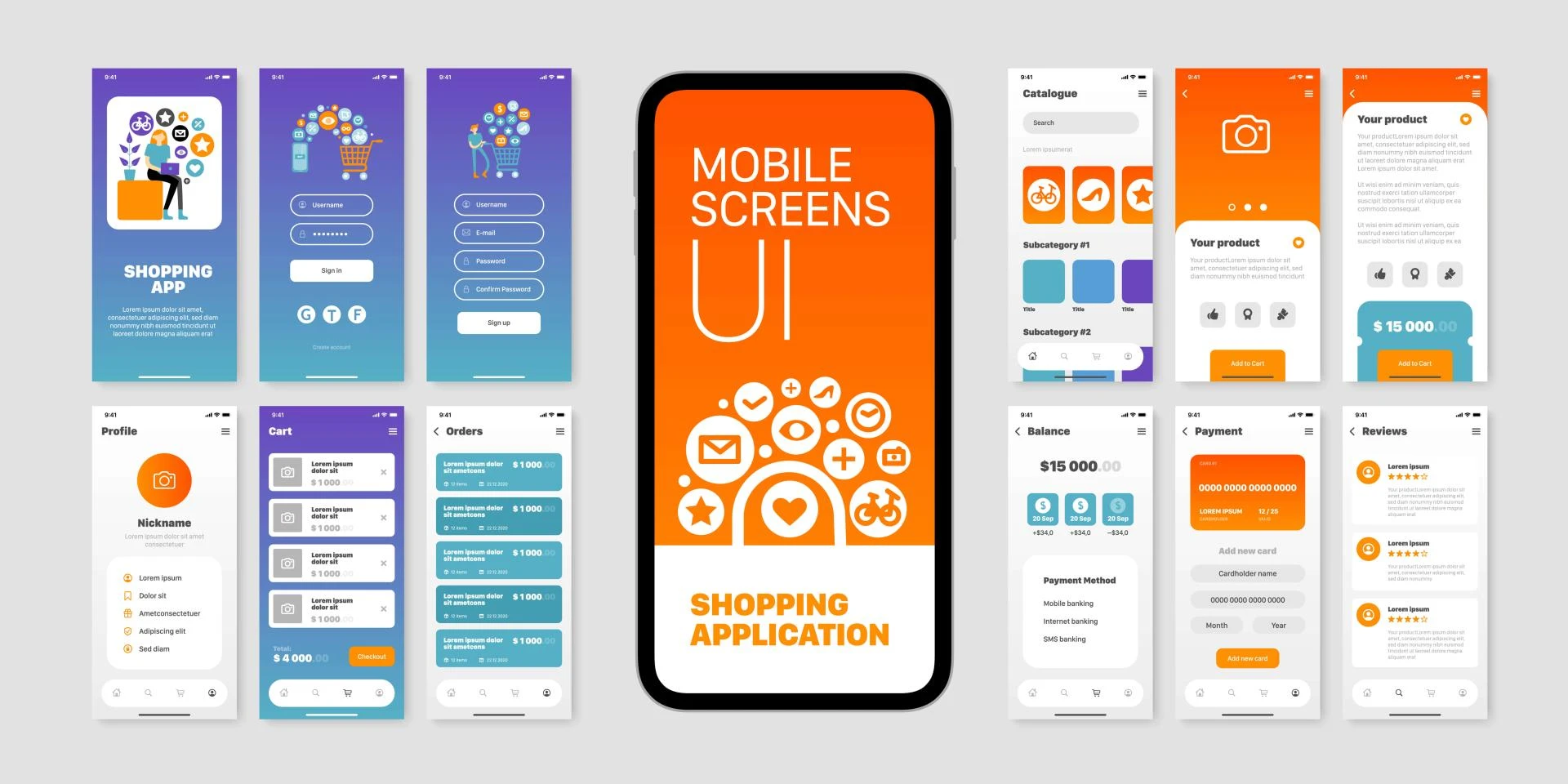
User interface (UI) design focuses on the visual and interactive elements of a digital product. A well-designed UI can make interactions more intuitive and engaging, encouraging users to explore further and ultimately convert.
Best Practices for UI Design
Effective UI design involves creating visually appealing layouts, using consistent design elements, and providing clear feedback to users. By following best practices for UI design, marketers can create seamless and enjoyable user experiences that drive conversions.
Conclusion
Design plays a crucial role in marketing, influencing consumer perceptions and behavior. By incorporating design principles into marketing strategies, brands can create compelling experiences that drive conversions and foster long-term customer relationships.
Visit my Upwork profile for — UI/UX design, Web Design, Mobile design & Web app designer
Check out my amazing project catalog — iOS or Android Mobile APP UX/UI Design, Responsive website design & Crypto & NFT Mobile App UI Design

























Sign in to leave a comment.