
Introduction to UI/UX Design
In today’s digital age, user experience (UX) and user interface (UI) design play a crucial role in the success of digital products and services. UI/UX design focuses on creating intuitive, aesthetically pleasing, and functional interfaces that enhance user satisfaction and engagement.
Understanding User Behavior and Expectations
Successful UI/UX design begins with a deep understanding of user behavior and expectations. Designers must conduct thorough research to identify user needs, pain points, and preferences to create impactful designs.
Importance of Designing for Impact
Designing for impact goes beyond aesthetics; it’s about creating experiences that resonate with users on an emotional level. Impactful design can lead to increased user engagement, brand loyalty, and ultimately, business success.
Creating a Memorable User Experience
Memorable user experiences are those that leave a lasting impression on users. Designers achieve this by focusing on simplicity, consistency, and intuitiveness in their designs.
UI/UX Strategies for Emotional Engagement
Emotional engagement is a powerful tool in UI/UX design. By incorporating elements that evoke positive emotions, such as delight, surprise, or empathy, designers can create more meaningful experiences for users.
Accessibility and Inclusivity in Design
Accessibility and inclusivity are essential aspects of UI/UX design. Designers should ensure that their designs are accessible to all users, including those with disabilities, and consider inclusivity in their design decisions.
Importance of Visual Design Elements
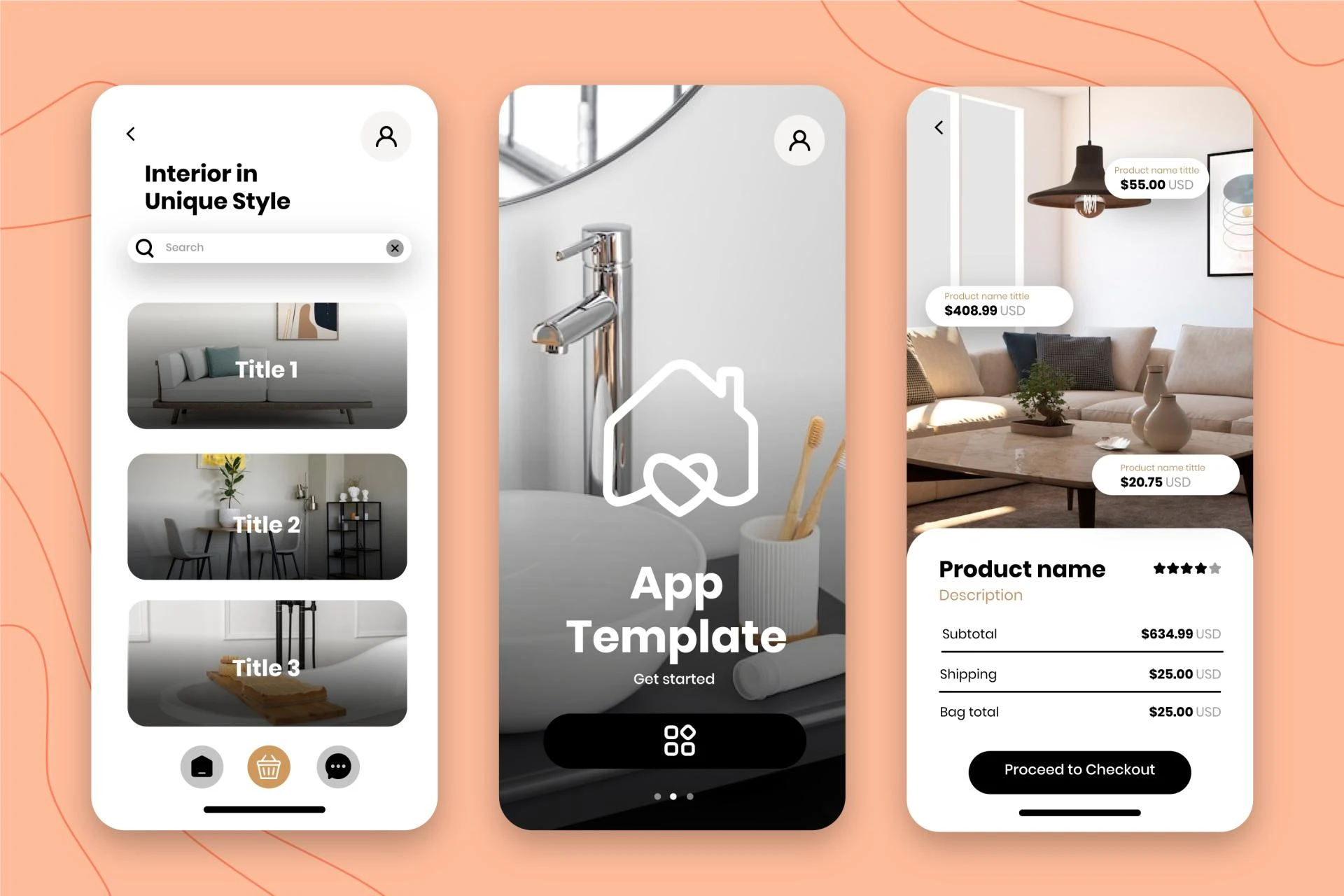
Visual design elements, such as color, typography, and imagery, play a crucial role in UI/UX design. These elements not only enhance the aesthetic appeal of a design but also contribute to its usability and functionality.
The Role of Storytelling in UI/UX Design
Storytelling is a powerful technique in UI/UX design. By creating a narrative that guides users through a product or service, designers can create a more engaging and immersive experience.
Designing for Conversion and User Retention
UI/UX design can significantly impact conversion rates and user retention. Designers should focus on creating clear calls to action, reducing friction in the user journey, and providing value to users to increase conversions and retention.
User Testing and Feedback Loop
User testing and feedback are critical components of UI/UX design. Designers should regularly test their designs with real users to identify and address any usability issues or areas for improvement.
Tools and Technologies for UI/UX Designers
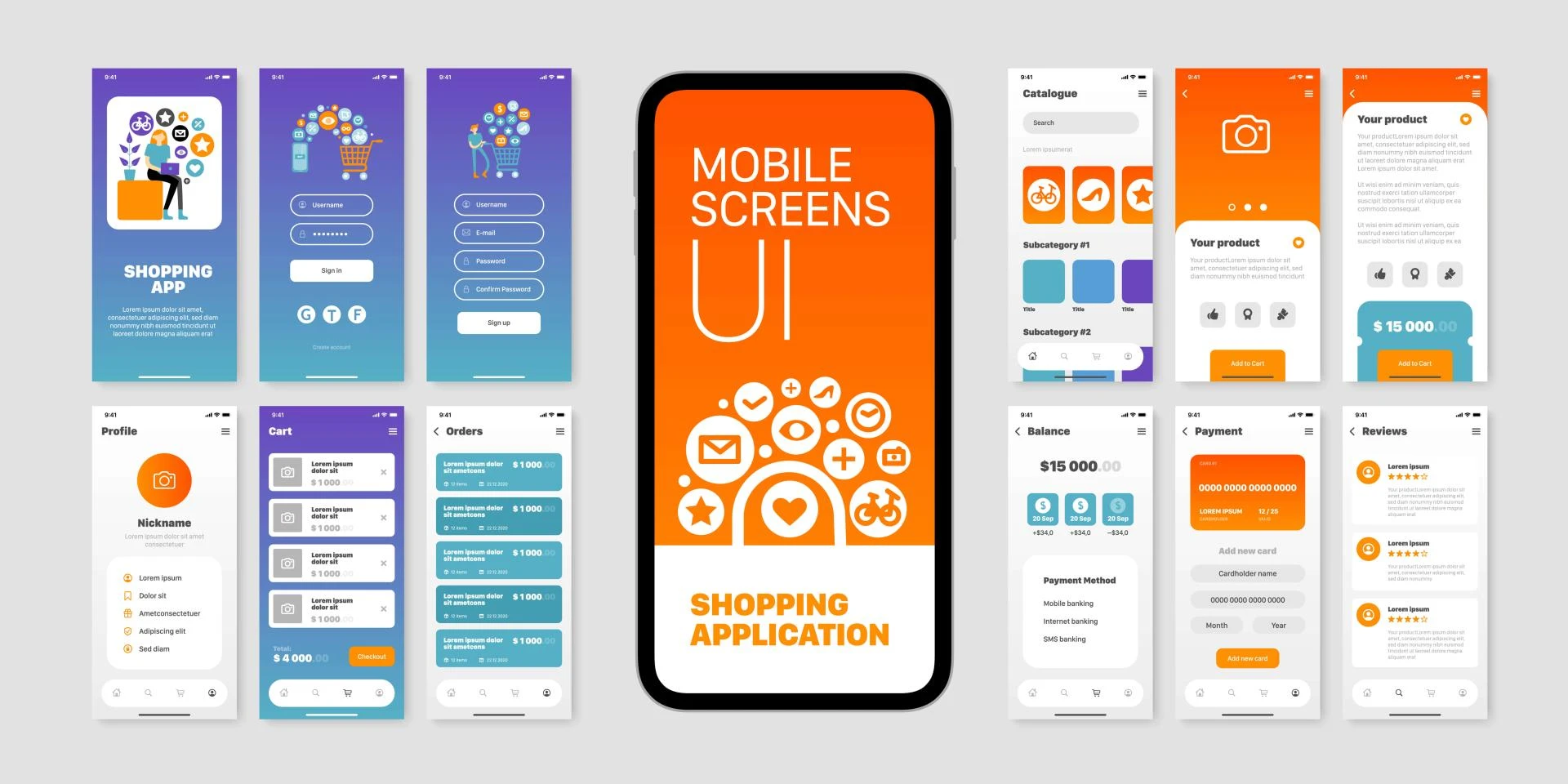
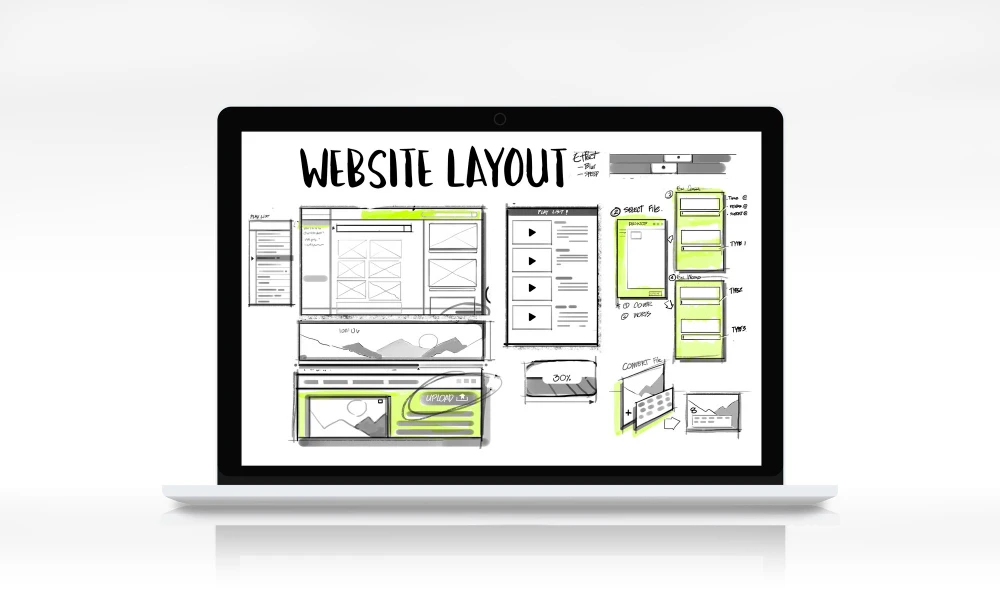
UI/UX designers have access to a wide range of tools and technologies to enhance their design process. From prototyping tools to user testing platforms, these tools can help designers create more effective and impactful designs.
Future Trends in UI/UX Design
The field of UI/UX design is constantly evolving, with new trends and technologies emerging regularly. Some future trends to watch out for include voice user interfaces, augmented reality, and personalized user experiences.
Conclusion
Designing for impact in UI/UX design requires a deep understanding of user behavior, a focus on emotional engagement, and a commitment to accessibility and inclusivity. By incorporating these strategies, designers can create memorable experiences that resonate with users and drive business success.
Visit my Upwork profile for — UI/UX design, Web design & Mobile design


























Sign in to leave a comment.