
The concept of the metaverse has captured the imagination of many, promising a future where virtual spaces are seamlessly integrated into our daily lives. As this technology continues to evolve, the role of design in shaping these virtual worlds becomes increasingly important. In this article, we will explore the intricacies of designing for the metaverse and discuss the key principles that designers need to keep in mind.
Understanding the Metaverse
The metaverse refers to a collective virtual shared space, created by the convergence of virtually enhanced physical reality and physically persistent virtual reality. It is a space where users can interact with a computer-generated environment and other users, typically in real-time. Unlike the internet, which is a 2D space accessed through screens, the metaverse is envisioned as a fully immersive 3D space that users can enter and interact with using virtual reality (VR) or augmented reality (AR) devices.
Importance of Designing for the Metaverse
As the metaverse becomes more integrated into our lives, the importance of good design cannot be overstated. Designing for the metaverse requires a deep understanding of human-computer interaction, user experience, and virtual space design principles. A well-designed metaverse can enhance user engagement, foster social connections, and provide new avenues for creativity and expression.
Challenges in Designing for the Metaverse
Designing for the metaverse presents a unique set of challenges. One of the biggest challenges is ensuring that the virtual environment is accessible to all users, including those with disabilities. Another challenge is designing for interoperability, ensuring that users can seamlessly move between different virtual worlds and platforms.
Key Design Principles for the Metaverse
User-Centric Design
User-centric design is crucial in the metaverse, as it ensures that the virtual environment is intuitive and easy to navigate. Designers need to consider the needs and preferences of their users when creating virtual spaces, taking into account factors such as user demographics, cultural differences, and user behavior.
Accessibility
Accessibility is another key consideration in metaverse design. Designers need to ensure that their virtual spaces are accessible to users with disabilities, such as visual or hearing impairments. This may involve providing alternative ways for users to interact with the environment, such as through voice commands or haptic feedback.
Interoperability
Interoperability refers to the ability of different virtual worlds and platforms to work together seamlessly. Designers need to consider how their virtual spaces will interact with other virtual worlds and platforms, ensuring that users can move between them without encountering any barriers.
Tools and Technologies for Designing in the Metaverse
Designing for the metaverse requires a range of tools and technologies, including virtual reality (VR) and augmented reality (AR) devices, 3D modeling software, and blockchain technology. These tools allow designers to create immersive virtual environments that are both visually stunning and functional.
Examples of Successful Metaverse Designs
Several companies and developers have already started exploring the potential of the metaverse, creating immersive virtual worlds that offer new ways for users to interact and engage with each other. One example is Decentraland, a virtual world built on the Ethereum blockchain that allows users to buy, sell, and build on virtual land.
Future Trends in Metaverse Design
As technology continues to evolve, we can expect to see several trends emerge in metaverse design. These may include the use of AI-driven avatars, personalized virtual spaces, and the integration of virtual and physical realities.
Conclusion
In conclusion, designing for the metaverse is a complex and multifaceted process that requires a deep understanding of human-computer interaction, user experience, and virtual space design principles. By following key design principles and leveraging the right tools and technologies, designers can create immersive virtual spaces that enhance user engagement and provide new opportunities for creativity and expression.
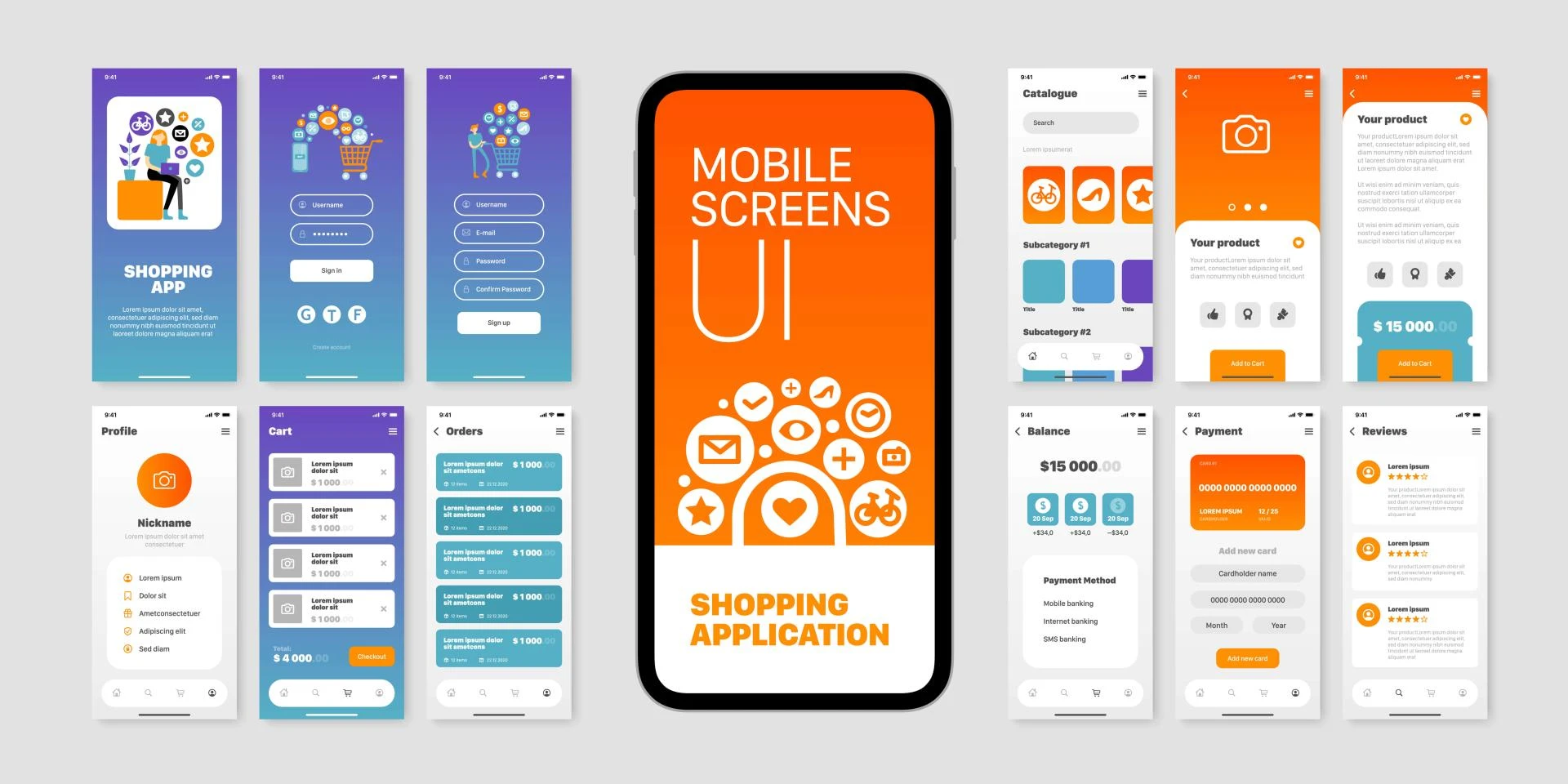
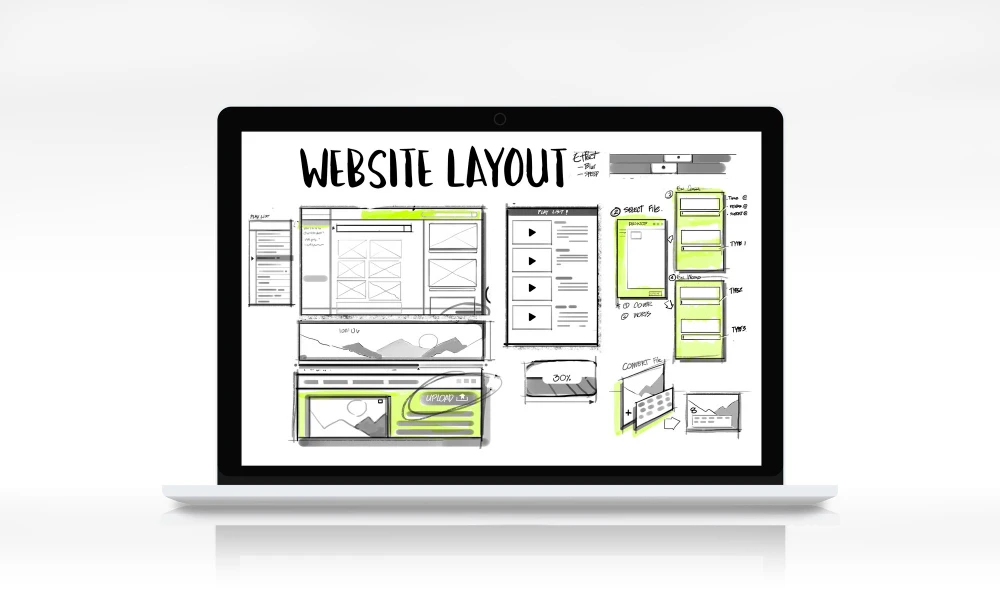
Visit my Upwork profile for - UI/UX design, Web design & Mobile design

























Sign in to leave a comment.