
Typography plays a crucial role in communication, shaping the way we perceive written information. From ancient manuscripts to modern digital interfaces, the choice of font can greatly impact how a message is received. Fonts have the power to evoke emotions, convey tone, and even influence behavior. In this article, we'll explore the fascinating world of typography, examining its history, psychology, and practical applications in design.
History of Typography
Typography has a rich history that dates back to ancient civilizations. The invention of the printing press in the 15th century revolutionized the way information was distributed, leading to the standardization of fonts. Over time, typography has evolved, with new styles and trends emerging to meet the needs of different eras.
Psychology of Fonts
Fonts have a psychological impact on readers, influencing how they perceive written content. Serif fonts, for example, are often seen as traditional and authoritative, while sans-serif fonts are perceived as modern and clean. Script fonts can evoke elegance and sophistication, while display fonts are bold and attention-grabbing. By choosing the right font, designers can effectively convey the intended message and elicit the desired emotional response from the audience.
Types of Fonts
There are several types of fonts, each with its own unique characteristics and best use cases. Serif fonts, characterized by the small lines or strokes at the ends of letters, are often used for body text in print materials. Sans-serif fonts, which lack these lines, are popular for digital content due to their readability on screens. Script fonts mimic handwritten text and are often used for invitations and formal announcements. Display fonts are decorative and are used for headlines and logos to grab attention.
Typography in Branding
Typography plays a crucial role in branding, helping to establish a visual identity for a company or product. The right font can convey the brand's personality and values, setting it apart from competitors. For example, a tech company might use a modern sans-serif font to convey innovation and efficiency, while a luxury brand might opt for a sophisticated serif font to convey elegance and exclusivity.
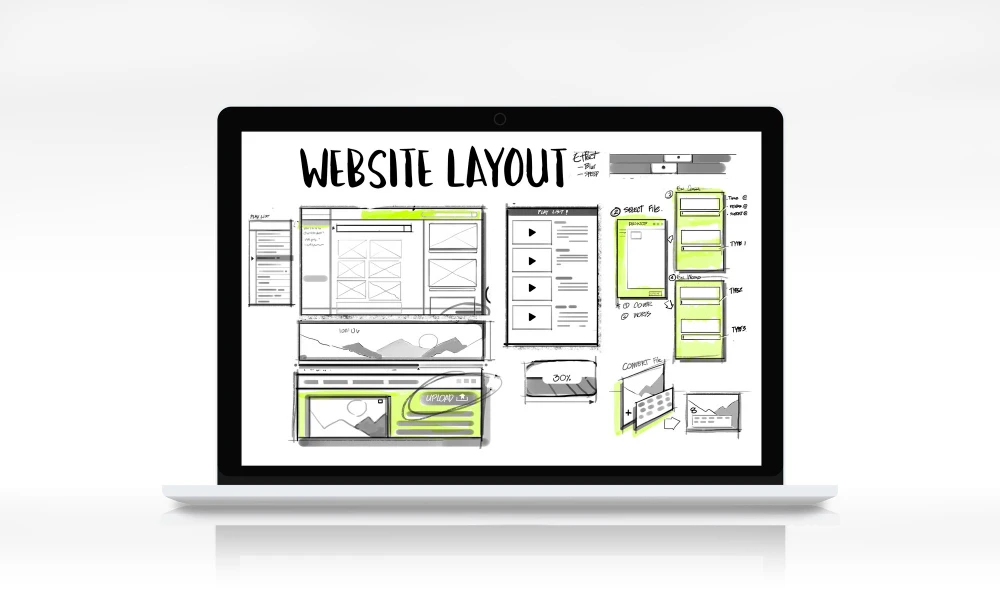
Typography in Web Design
In web design, typography is used to enhance readability and user experience. Designers must consider factors such as font size, line spacing, and contrast to ensure that text is easy to read on screens of all sizes. Additionally, web designers often use web-safe fonts or include custom font files to maintain consistency across different browsers and devices.
Typography in Print Design
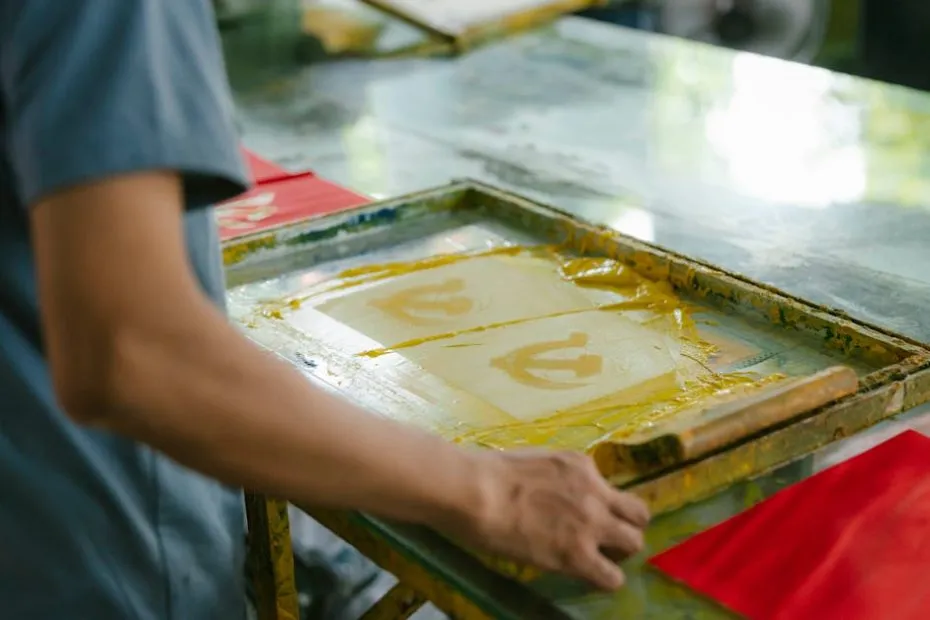
In print design, typography plays a crucial role in creating visually appealing materials. From posters to brochures to books, the choice of font can significantly impact the overall look and feel of a design. Designers must carefully select fonts that complement the content and layout of the printed material, ensuring that the typography enhances the message rather than detracting from it.
Typography Trends
Typography trends are constantly evolving, influenced by changes in technology, culture, and design aesthetics. Currently, minimalist and clean typography is popular in both print and digital design, reflecting a desire for simplicity and clarity. As technology continues to advance, we can expect to see new trends emerge, pushing the boundaries of typography in design.
Conclusion
Typography is a powerful tool that can shape the way we perceive and interact with written information. By understanding the history, psychology, and practical applications of typography, designers can create more effective and engaging designs. Whether you're designing a website, a brand identity, or a printed piece, the right font can make all the difference in how your message is received.
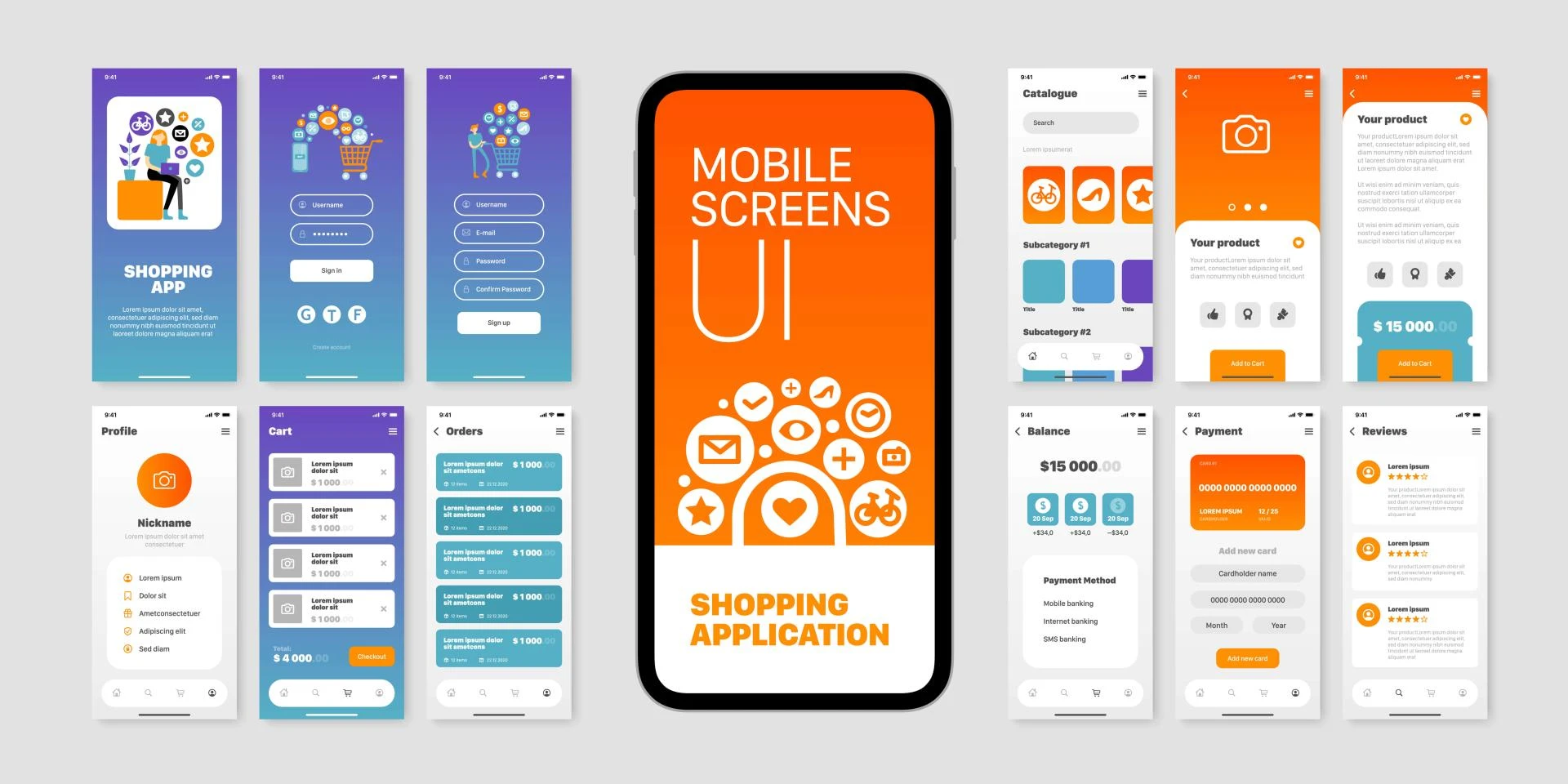
Visit my Upwork profile for — UI/UX design, Web Design, Mobile design & Web app designer
Check out my amazing project catalog — iOS or Android Mobile APP UX/UI Design, Responsive website design & Crypto & NFT Mobile App UI Design
























Sign in to leave a comment.