
In today's digital landscape, creating a website that not only looks great but also provides an intuitive user experience is crucial for success. Enter Elementor, a powerful WordPress page builder that has revolutionized the way we design and develop websites. This guide will walk you through the basics of designing intuitive UI/UX using Elementor, even if you're just starting out.
Understanding UI/UX Design
Before diving into Elementor, it's essential to grasp the fundamentals of UI/UX design:
- User Interface (UI) refers to the visual elements users interact with on your website.
- User Experience (UX) encompasses the overall experience a user has while navigating your site.
An intuitive design seamlessly blends these two concepts, creating a website that's both visually appealing and easy to use.
Getting Started with Elementor
Elementor is a drag-and-drop page builder that allows you to create stunning websites without coding knowledge. Here's how to get started:
Install and activate the Elementor plugin on your WordPress site. Create a new page or post and click "Edit with Elementor" to enter the builder interface. Familiarize yourself with the Elementor panel, which contains all the elements and settings you'll use to design your page.Key Principles for Intuitive UI/UX Design
As you begin designing with Elementor, keep these principles in mind:
Consistency: Maintain a cohesive design throughout your website by using consistent colors, fonts, and styling.Simplicity: Don't overwhelm users with too many elements. Keep your design clean and focused.
Hierarchy: Use size, color, and placement to guide users' attention to the most important elements first.
Responsiveness: Ensure your design looks great and functions well on all devices.
Accessibility: Design with all users in mind, including those with disabilities.
Designing with Elementor: Step-by-Step
Now, let's explore how to implement these principles using Elementor's features:
1. Layout Structure
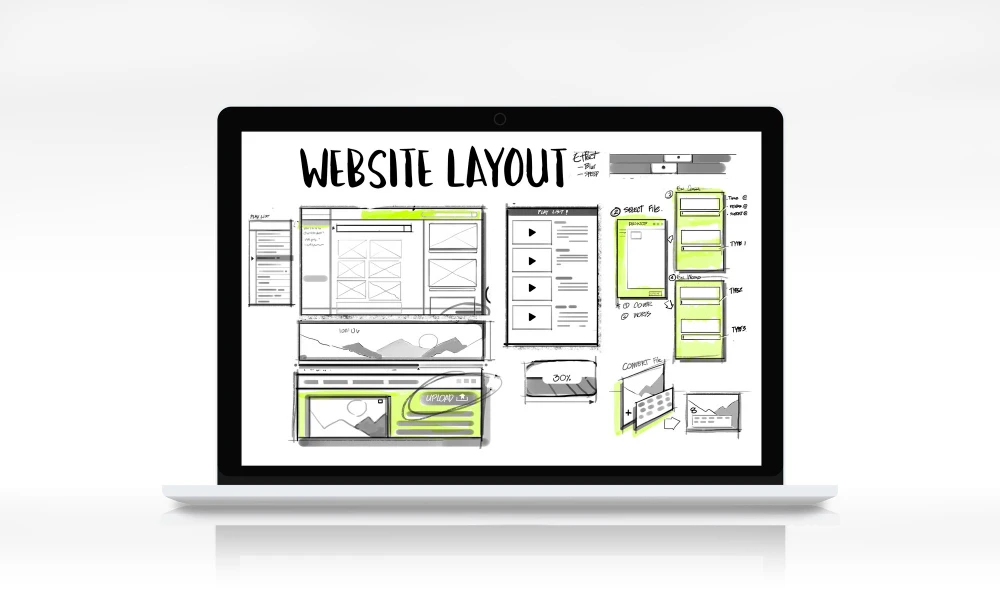
Start by creating a clear layout structure using Elementor's Section and Column elements. This forms the foundation of your design:
- Use sections to divide your page into distinct areas.
- Add columns within sections to create more complex layouts.
- Adjust padding and margins to create proper spacing between elements.
2. Typography
Elementor offers extensive typography controls. Use them to create a clear hierarchy and improve readability:
- Choose legible fonts for body text (e.g., Open Sans, Roboto).
- Use contrasting fonts for headings to create visual interest.
- Set appropriate font sizes, line heights, and letter spacing for optimal readability.
3. Color Scheme
Develop a cohesive color scheme that aligns with your brand:
- Use Elementor's Global Colors feature to maintain consistency across your site.
- Apply colors thoughtfully to create contrast and guide user attention.
- Ensure sufficient contrast between text and background colors for readability.
4. Navigation
Design an intuitive navigation system:
- Use Elementor's Nav Menu widget to create a clear, easy-to-use main menu.
- Implement breadcrumbs for deeper pages to help users understand their location.
- Consider adding a search function for larger sites.
5. Responsive Design
Elementor makes responsive design easy:
- Use the responsive mode to preview and adjust your design for different screen sizes.
- Implement Elementor's responsive controls to modify element properties for each device.
- Consider using the Mobile Editing feature for fine-tuning mobile layouts.
Advanced Techniques for Intuitive UI/UX
As you become more comfortable with Elementor, consider these advanced techniques:
Custom CSS: Use Elementor's Custom CSS feature to fine-tune your design beyond the built-in options.Dynamic Content: Implement dynamic content using Elementor Pro to create personalized user experiences.
Popup Builder: Design intuitive popups for lead generation, notifications, or additional information.
Theme Builder: Create consistent headers, footers, and archive pages across your entire site.
Custom Widgets: Develop your own Elementor widgets for unique functionality tailored to your needs.
Conclusion
Designing intuitive UI/UX with Elementor is an iterative process that combines creativity with user-centric thinking. By leveraging Elementor's powerful features and following the principles outlined in this guide, you can create websites that not only look stunning but also provide an exceptional user experience.
Remember, the key to successful UI/UX design is to always put your users first. Continuously gather feedback, analyze user behavior, and refine your designs accordingly. With practice and persistence, you'll be creating intuitive, user-friendly websites with Elementor in no time.
As you continue your journey in UI/UX design with Elementor, don't be afraid to experiment and push the boundaries of what's possible. The more you practice, the more intuitive your designs will become, leading to happier users and more successful websites.
Visit my Upwork project catalog : Elementor Developer

























Sign in to leave a comment.