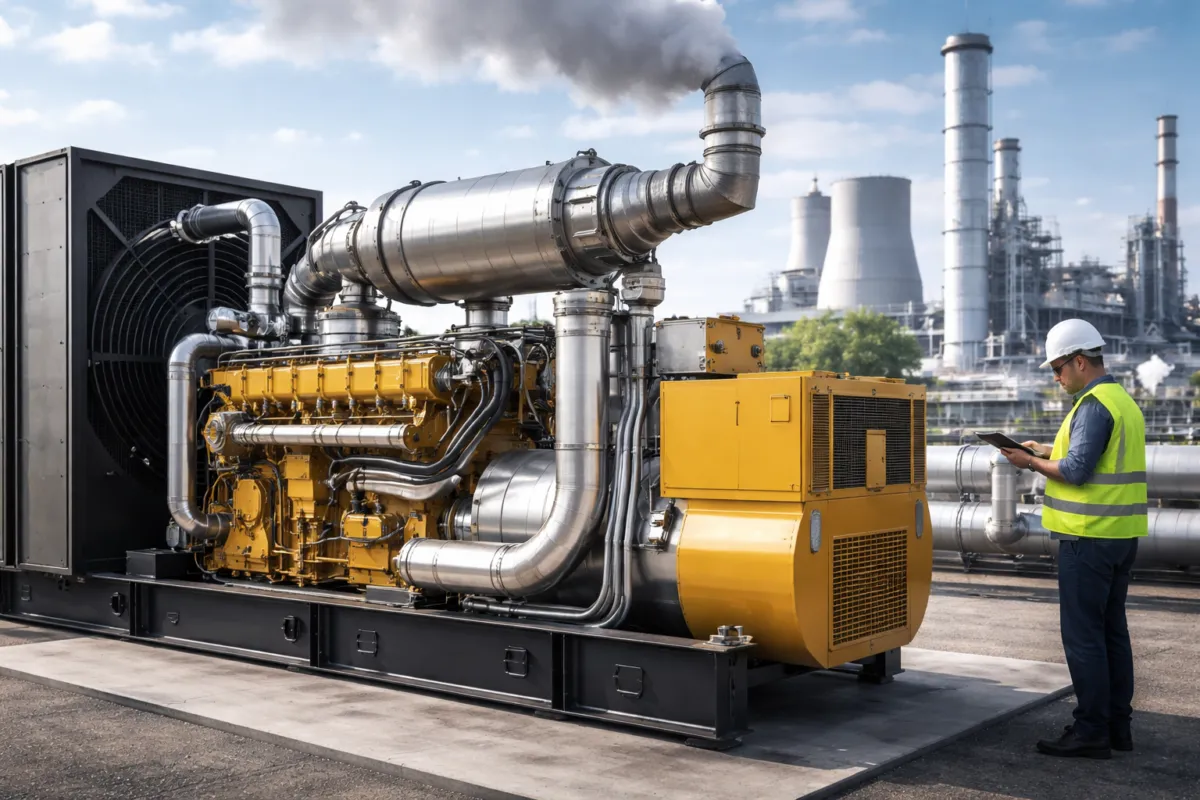

A main contractor tendering for a mixed-use development in Dubai had an unusual requirement in the specification: all diesel-powered equipment on site had to meet a minimum emissions standard. Not a suggestion; a contract condition. The project was targeting a green building certification and the site operations were part of that calculation. Finding equipment that met the standard without compromising on the output the job demanded took longer than the procurement team expected.
Five years ago that clause would have been unusual enough to generate pushback during contract negotiations. Now it gets absorbed into the tender process without much comment; at least by contractors who have been paying attention to where project specifications have been heading.
What's Actually Changed Inside Modern Diesel Equipment
The conversation around construction emissions often gets framed as diesel versus electric, as though the two are in direct competition and one is about to displace the other. The reality on working sites; particularly in markets like the UAE where project scale, ambient temperature, and grid infrastructure all create constraints, is more complicated.
The diesel engine sitting in current-generation construction equipment has been through more engineering revision than most operators realise. Regulatory pressure around Tier 4 and Stage V has produced combustion and exhaust systems that perform at a fundamentally different emissions level than equipment from ten years ago — without the fuel consumption penalties that earlier compliance generations sometimes produced. The machine looks broadly the same. The output profile is not.
For operators, the practical effect is equipment that meets tightening site requirements without requiring a wholesale shift to alternative powertrains that aren't yet proven at scale in demanding outdoor conditions.
Dumpers And Haul Equipment Under The Emissions Lens
Site haul equipment has been one of the more visible areas of the emissions conversation because it runs constantly and produces exhaust in concentrated areas where workers are present for long stretches of the day.
The thwaites dumper range has been among the equipment updated to meet newer emissions standards without sacrificing the durability that makes it a worksite staple. For contractors who have been running older dumper fleets, the difference in exhaust output between a current-spec unit and a machine from ten years ago is significant enough to affect compliance on projects with environmental conditions attached.
The market for a dump truck for sale in the UAE has reflected this shift; buyers are asking about emissions ratings with more frequency than they were, and the pricing gap between compliant and non-compliant units is narrowing as supply of newer equipment grows.
Paving Equipment And The Precision Demanded By Modern Specifications
Road and surface construction has its own emissions calculus, made more complex by the fact that paving equipment often works in close proximity to urban areas and occupied developments where air quality concerns are more immediate.
The vogele paver has long been the reference point for precision asphalt laying on quality-sensitive projects. The newer iterations of the vogele asphalt paver carry updated engine configurations that bring emissions performance in line with current standards; without affecting the screed accuracy and mat quality that specifiers choose the machine for in the first place. That combination matters on projects where both the environmental certification and the surface specification have to be met simultaneously.
What This Means For How Equipment Decisions Get Made
The diesel engines running the next generation of construction equipment cost more to manufacture, which flows through to purchase and hire prices. For contractors evaluating that cost, lower fuel consumption per output unit and the ability to work on projects that older equipment would now be excluded from are the numbers that matter most.
The green building and infrastructure certification landscape in the UAE is still developing, but the direction is clear enough that contractors who aren't factoring emissions performance into equipment decisions are likely to find themselves on the wrong side of contract requirements more frequently as projects advance. The equipment has moved. The procurement habits haven't always kept up.






















Sign in to leave a comment.