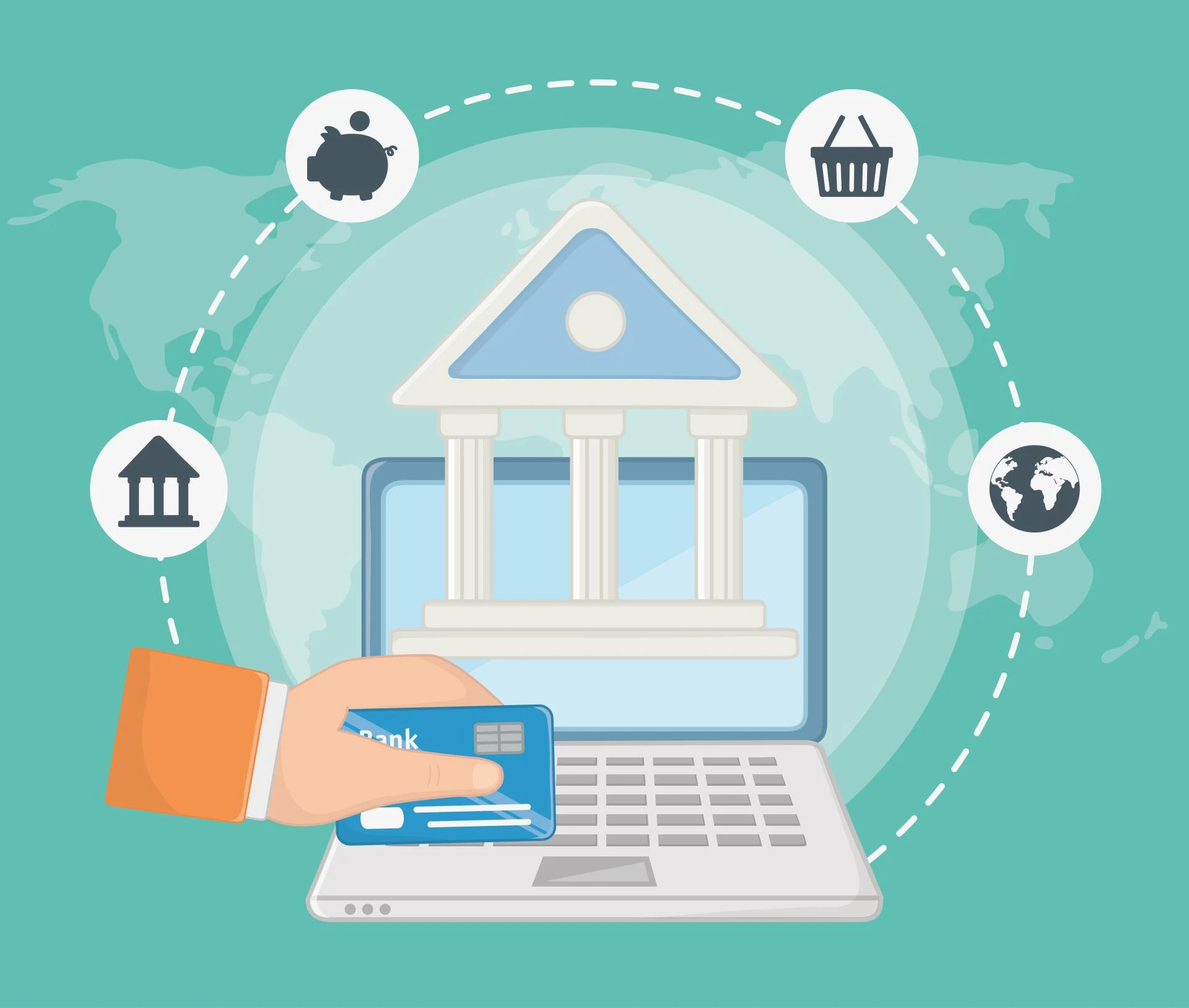

Small businesses often face challenges when applying for loans through traditional methods. The long paperwork, delayed approvals, and strict requirements can make it difficult for them to access funds on time. Digital lending is changing this by offering small businesses a faster, more efficient way to get loans. This innovative approach reshapes how small businesses access capital and manage their finances.
Faster Loan Approvals
One of the biggest benefits of digital lending is speed. With digital platforms, small businesses can apply for loans online without visiting a bank. The process is quick, and approvals can happen within hours instead of days. This helps businesses get the funds they need without wasting time. Fast loan approvals can be especially helpful during emergencies or when businesses need to seize new opportunities quickly.
Easy Application Process
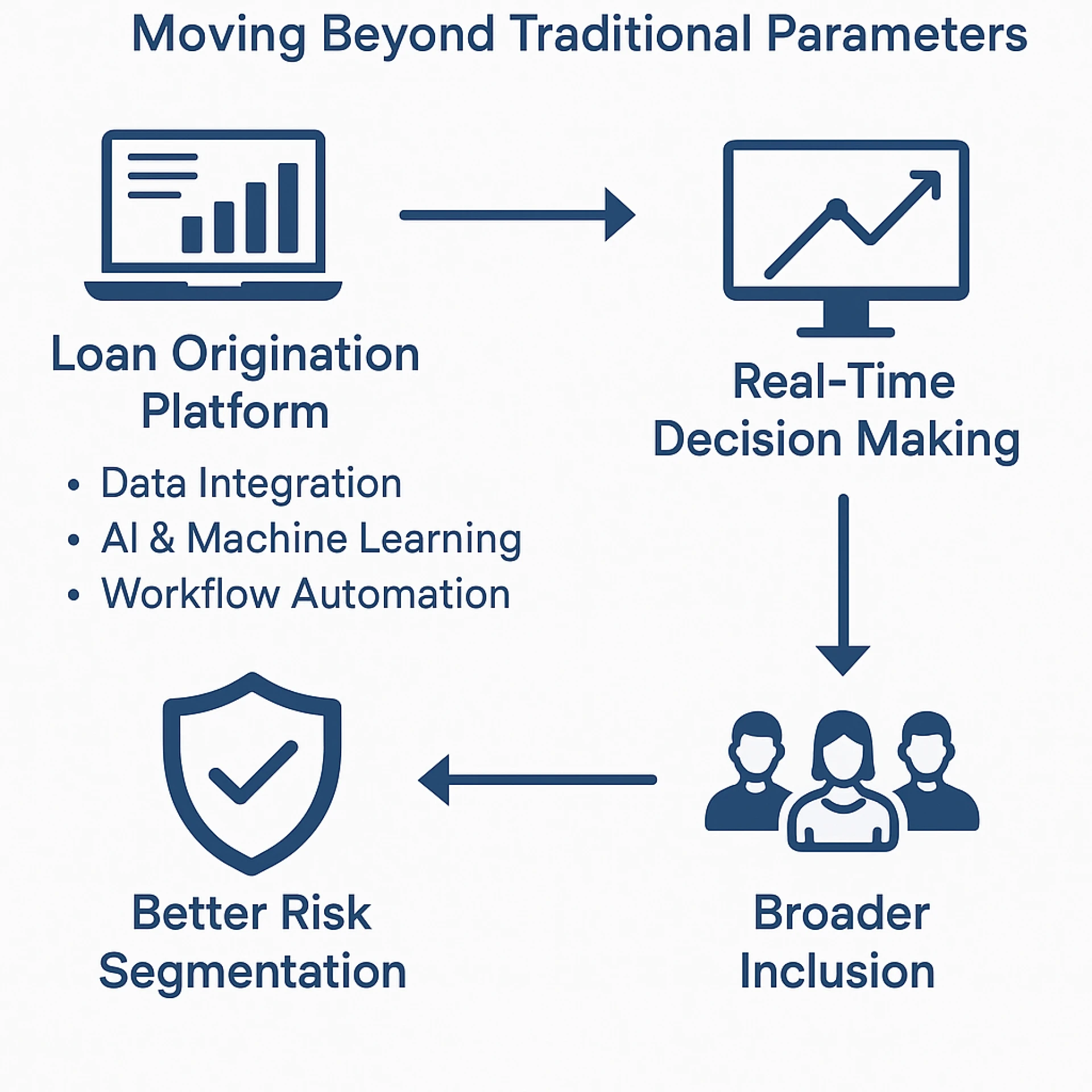
Digital lending platforms use loan origination software to make the application process simple. Business owners can upload documents online, fill out forms, and track their application status from anywhere. This saves time and reduces paperwork. The intuitive interfaces of these platforms guide applicants through every step, making the process accessible even for those without technical knowledge.
Moreover, digital lending platforms often integrate automated verification systems. These systems can instantly cross-check applicant information with external databases, speeding up the approval process. This level of automation not only reduces manual errors but also ensures that small businesses have a hassle-free experience.
Better Loan Management
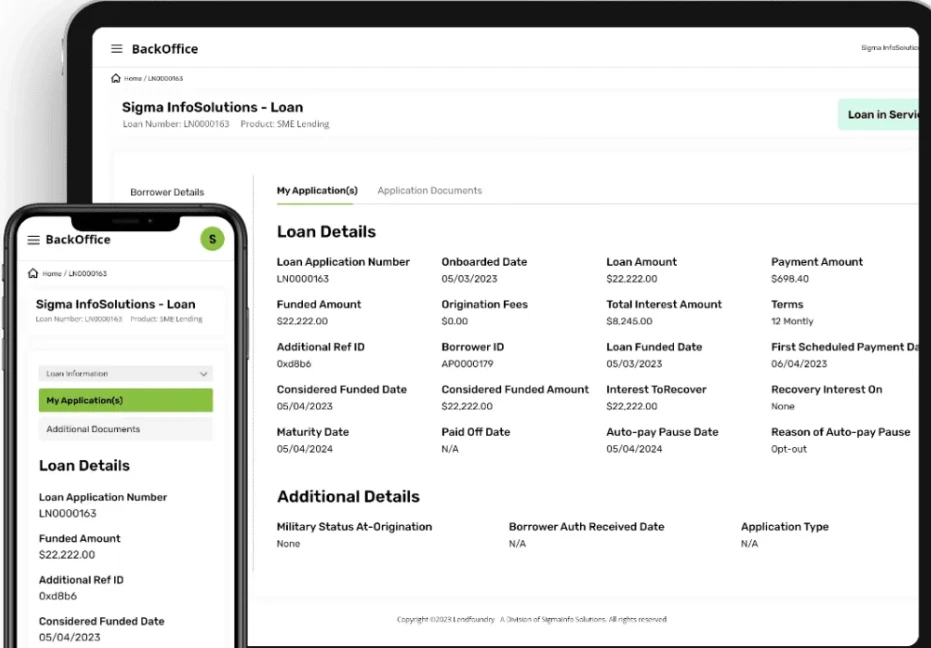
After a loan is approved, managing repayments is also easier with loan servicing software. This software helps small businesses track their repayment schedules, make online payments, and receive automatic reminders. It reduces the risk of missing payments and helps businesses stay on top of their finances. Businesses can access detailed payment histories, generate statements, and even request changes to repayment plans if needed.
Additionally, loan servicing platforms often offer personalized dashboards where businesses can monitor their outstanding loans, track payment due dates, and access customer support. This transparency empowers small businesses to make informed financial decisions and plan their budgets effectively.
Flexible Loan Options
Digital lenders often provide more flexible loan options compared to traditional banks. Small businesses can choose short-term loans, business lines of credit, or working capital loans based on their needs. This gives businesses the freedom to select the best option without being tied to long-term commitments. Some platforms even offer customized loan products tailored to specific industries, ensuring that small businesses receive solutions that align with their unique needs.
The flexibility extends to repayment terms as well. Many digital lenders allow businesses to make early repayments without penalties, helping them save on interest costs. This kind of flexibility is particularly beneficial for seasonal businesses or those experiencing fluctuating cash flows.
Improved Access to Credit
Many small businesses struggle to get loans due to limited credit history. Digital lenders use advanced technology to assess creditworthiness based on different data points. This makes it easier for small businesses to qualify for loans and access the funds they need to grow. Alternative credit assessment methods include analyzing cash flow patterns, social media activity, and transaction histories. This approach opens doors for small businesses that may not have qualified for traditional loans.
Furthermore, digital lending platforms often have partnerships with payment processors, accounting software providers, and e-commerce platforms. By leveraging this data, lenders can gain a more comprehensive view of a business's financial health, leading to fairer lending decisions.
Enhanced Security and Compliance
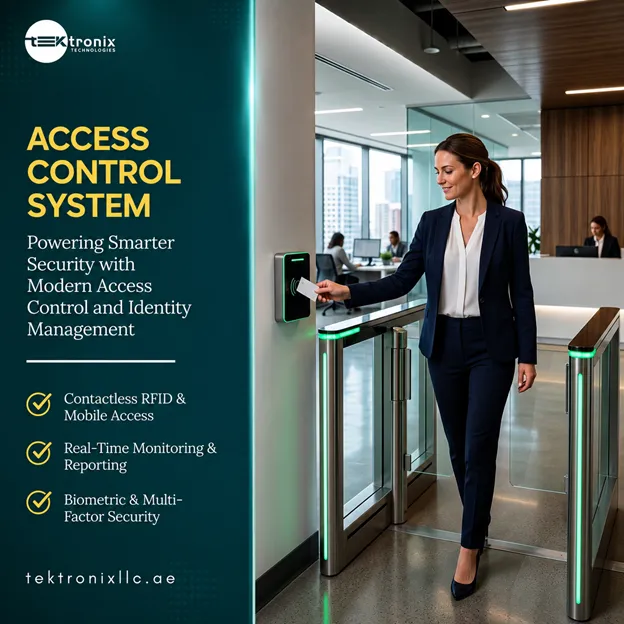
Security is a key concern for small businesses when dealing with financial transactions. Digital lending platforms implement robust security protocols to protect sensitive data. Encryption, multi-factor authentication, and secure payment gateways are standard features. Additionally, many platforms comply with financial regulations and data protection laws, giving small businesses peace of mind.
Conclusion
Digital lending is helping small businesses by making loan applications faster, easier, and more accessible. With tools like loan origination software and loan servicing software, small businesses can manage their loans efficiently and focus on their growth. As more businesses adopt digital lending, the financial landscape will continue to become more inclusive and supportive of small businesses. By offering flexible loan options, better access to credit, and enhanced security, digital lending is paving the way for a more dynamic and resilient small business sector.


























Sign in to leave a comment.