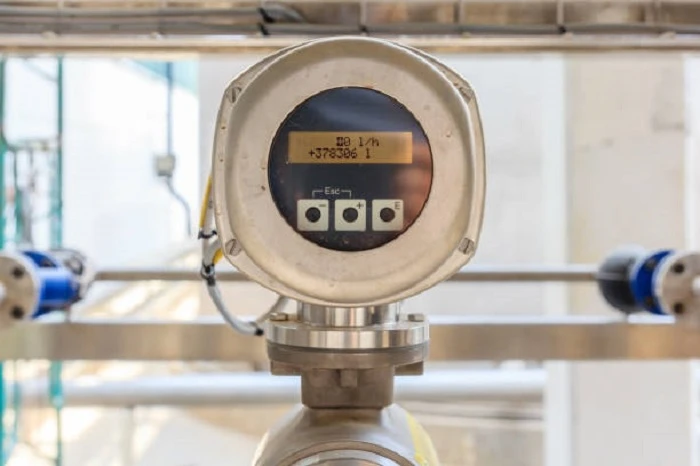

Electromagnetic flow meters have become a widely trusted solution for measuring the flow of conductive liquids in industrial, municipal, and environmental applications. Their reputation for accuracy, reliability, and low maintenance has made them a preferred choice in water treatment plants, chemical processing facilities, food and beverage production, and many other sectors. One of the most common technical questions surrounding their use concerns pressure behavior: do Electromagnetic Flow Meters cause pressure drop within a system? Addressing this question requires a clear understanding of how these instruments operate, how pressure drop occurs in piping systems, and how electromagnetic technology interacts with fluid dynamics.
How Pressure Drop Occurs in Flow Measurement Systems
Pressure drop refers to the reduction in fluid pressure as it moves through a piping system. This phenomenon can occur for several reasons, including friction between the fluid and pipe walls, turbulence, changes in pipe diameter, and obstructions placed in the flow path. Many traditional flow measurement devices, such as orifice plates, venturi tubes, and turbine meters, introduce mechanical elements directly into the flow stream. These elements disrupt the natural movement of the fluid, generating turbulence and energy loss, which in turn results in a measurable pressure drop.
In industrial systems where maintaining consistent pressure is critical, pressure loss can lead to inefficiencies, increased pumping costs, and reduced system performance. As a result, engineers often evaluate flow meters not only for accuracy but also for their hydraulic impact on the system.
Operating Principles of Electromagnetic Flow Meters
The Role of Faraday’s Law
Electromagnetic Flow Meters operate based on Faraday’s Law of Electromagnetic Induction. When a conductive liquid flows through a magnetic field, an electrical voltage is induced perpendicular to both the magnetic field and the direction of fluid flow. Electrodes mounted on the pipe wall detect this voltage, and the meter converts it into a flow rate signal.
The crucial aspect of this measurement principle is that it does not rely on any mechanical obstruction or moving component within the flow stream. The magnetic field is applied externally, and the electrodes are flush with the inner pipe surface. This design feature plays a central role in understanding pressure behavior.
Full-Bore, Unobstructed Design
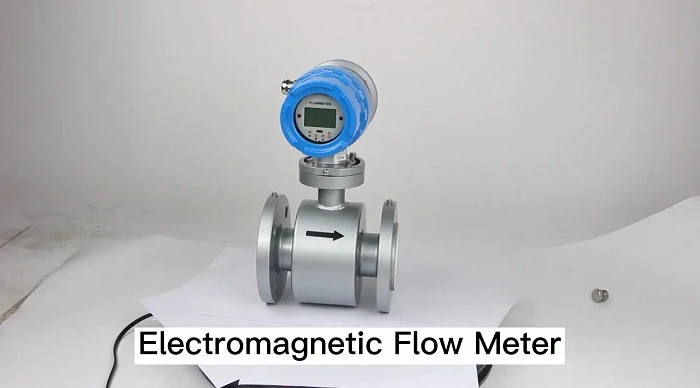
Electromagnetic Flow Meters are typically designed as full-bore instruments, meaning the internal diameter of the meter matches the diameter of the connecting pipeline. There are no reductions, protrusions, or internal elements that restrict the flow. The fluid passes through the meter as if it were flowing through a straight section of pipe.
This unobstructed configuration distinguishes electromagnetic meters from many other flow technologies and has a direct influence on pressure drop characteristics.
Do Electromagnetic Flow Meters Cause Pressure Drop?
Theoretical Perspective
From a theoretical standpoint, Electromagnetic Flow Meters do not inherently cause pressure drop. Since there are no internal obstructions, moving parts, or flow restrictions, the meter itself does not add resistance beyond that of an equivalent length of straight pipe. The fluid experiences the same frictional forces it would encounter in any standard section of piping with the same diameter, material, and surface finish.
In fluid dynamics terms, the head loss across an electromagnetic meter is essentially equivalent to the head loss of a straight pipe of equal length. This means that the meter does not introduce additional energy losses beyond normal pipeline friction.
Practical Considerations in Real Systems
In real-world installations, a minimal pressure drop may still be observed across an electromagnetic flow meter. However, this is not due to the measurement principle itself. Instead, it is typically associated with factors such as pipe liners, installation conditions, or upstream and downstream piping configurations.
For example, electromagnetic meters often include internal liners made of materials like rubber, PTFE, or polyurethane to protect the meter body from corrosion and abrasion. These liners are generally smooth and designed to maintain the full bore, but slight differences in surface roughness compared to adjacent pipes can contribute to negligible frictional losses. In practice, these losses are so small that they are often considered hydraulically insignificant.
Comparison with Other Flow Meter Technologies
Mechanical and Differential Pressure Meters
Many traditional flow meters function by introducing a restriction or mechanical component into the flow. Orifice plates, for instance, intentionally create a pressure differential by forcing the fluid through a narrowed opening. This pressure loss is permanent and must be compensated for by additional pumping energy.
Turbine meters use rotating blades placed directly in the flow stream. While they offer good accuracy under certain conditions, the presence of moving parts increases resistance and can contribute to pressure drop, especially at higher flow rates.
Advantages of Electromagnetic Flow Meters
Compared to these technologies, Electromagnetic Flow Meters are often described as “zero pressure loss” devices. While this term is somewhat idealized, it accurately reflects their practical performance. The absence of flow obstructions makes them especially valuable in applications where maintaining pressure is critical, such as gravity-fed systems, low-pressure pipelines, and large-diameter water distribution networks.
Installation Factors That Influence Pressure Behavior
Pipe Alignment and Transitions
Although the meter itself does not cause pressure drop, poor installation practices can create localized losses. Misaligned flanges, abrupt pipe transitions, or improperly sized reducers near the meter can introduce turbulence and pressure loss. These issues are not inherent to the electromagnetic meter but rather to the surrounding piping design.
Straight Pipe Requirements
Electromagnetic Flow Meters typically require straight pipe runs upstream and downstream to ensure a stable and fully developed flow profile. If these requirements are not met, flow disturbances can occur, potentially affecting both measurement accuracy and pressure stability. Again, any resulting pressure anomalies are related to flow conditioning rather than the meter’s internal design.
Applications Where Minimal Pressure Drop Is Essential
Water and Wastewater Treatment
In water distribution and wastewater treatment systems, pressure management is a critical concern. Pumping costs represent a significant portion of operational expenses, and any unnecessary pressure loss increases energy consumption. Electromagnetic Flow Meters are well suited for these applications because they allow accurate measurement without compromising hydraulic efficiency.
Chemical and Slurry Handling
Chemical processing often involves corrosive or abrasive fluids that can damage mechanical flow meters over time. Electromagnetic Flow Meters not only resist wear due to their non-intrusive design but also preserve system pressure, which is essential for maintaining consistent process conditions.
Food and Beverage Production
In hygienic processing environments, maintaining smooth, unobstructed flow paths is essential for both product quality and cleanability. The low pressure impact of electromagnetic meters supports gentle handling of liquids and reduces the risk of shear-related product degradation.
Energy Efficiency and Long-Term System Performance
Reduced Pumping Requirements
Because Electromagnetic Flow Meters do not introduce significant pressure losses, they help minimize the need for additional pumping energy. Over the lifespan of a system, this can result in substantial energy savings, particularly in high-flow or continuous-operation applications.
Lower Maintenance and Stable Hydraulics
The absence of pressure-inducing components also contributes to long-term system stability. There are no moving parts to wear down and create increasing resistance over time. As a result, the hydraulic performance of the system remains consistent, reducing the need for recalibration or mechanical intervention.
Addressing Common Misconceptions
Confusion with Insertion-Type Meters
Some confusion arises when electromagnetic technology is compared with insertion-type flow meters. Insertion meters, which extend probes into the flow, can cause localized pressure disturbances. Full-bore Electromagnetic Flow Meters, however, are fundamentally different and do not share this limitation.
Misinterpretation of Manufacturer Specifications
Occasionally, datasheets may list a nominal pressure loss value for an electromagnetic meter. This value typically reflects the equivalent friction loss of the meter body as a pipe section, not an added restriction. Understanding this distinction is essential when evaluating system performance.
Conclusion: Pressure Drop and Electromagnetic Flow Meters
Electromagnetic Flow Meters are widely recognized for their ability to measure flow accurately without introducing significant pressure drop. Their full-bore, obstruction-free design ensures that fluids move through the meter with minimal resistance, comparable to a straight section of pipe. While minor frictional losses may occur due to liners or installation conditions, these effects are negligible in most applications and should not be confused with the permanent pressure losses associated with restrictive flow measurement technologies.
For systems where maintaining pressure, reducing energy consumption, and ensuring long-term reliability are priorities, Electromagnetic Flow Meters offer a compelling solution. Their hydraulic neutrality, combined with high accuracy and low maintenance requirements, explains why they continue to be a preferred choice across a wide range of industries.

























Sign in to leave a comment.