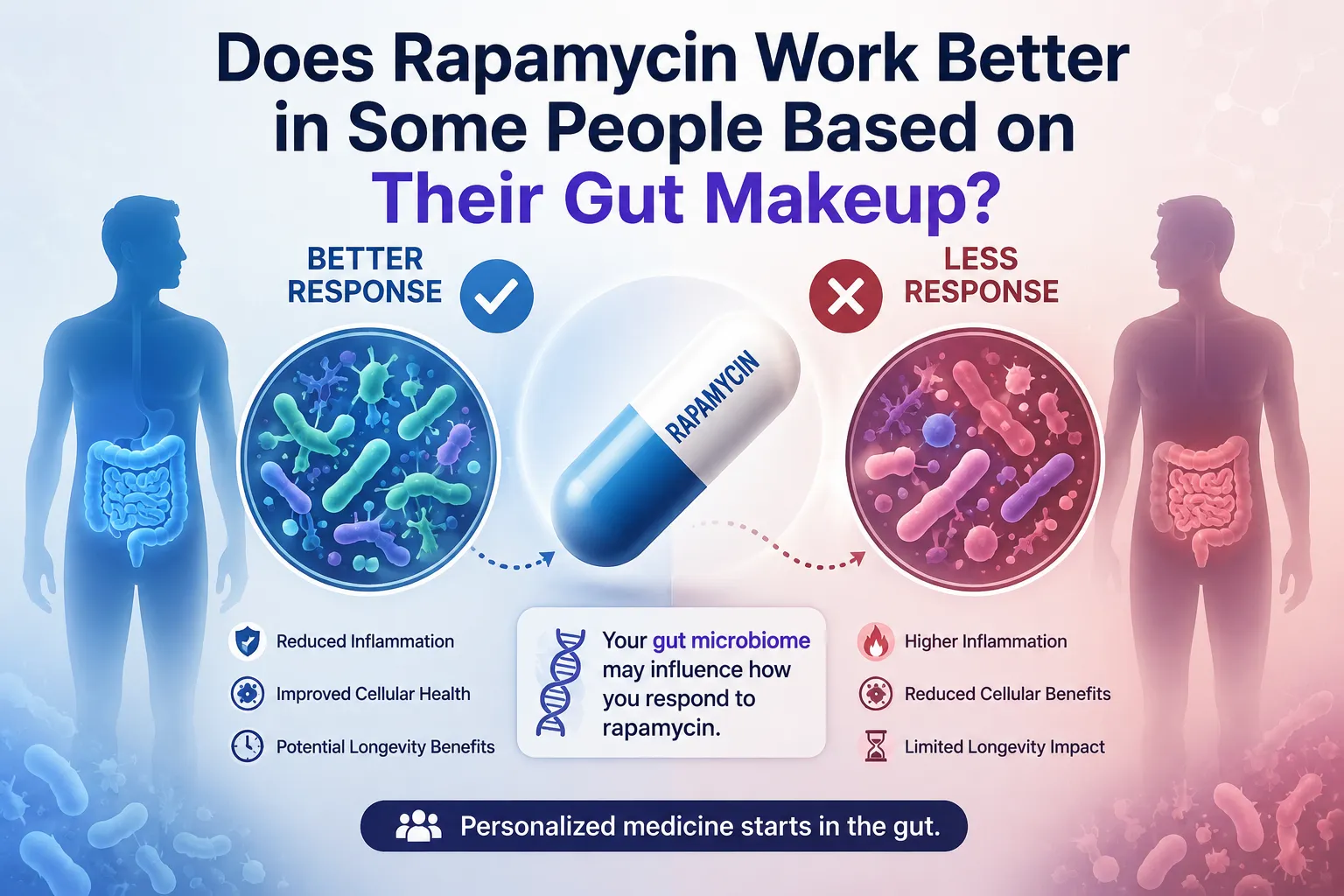

One of the most exciting questions in longevity medicine right now is this: does rapamycin work better in people with a healthy gut microbiome? A growing body of research strongly suggests the answer is yes. The gut — long underestimated as a simple digestive organ — turns out to be a powerful modulator of the very cellular pathways that rapamycin targets. For anyone interested in getting the most out of this remarkable drug, understanding the gut connection is no longer optional. It may be essential.
The relationship between rapamycin and the gut microbiome runs deeper than most people realize. Your gut bacteria produce chemical compounds called microbial metabolites that travel through your body and interact directly with mTOR — the cellular aging switch that rapamycin is specifically designed to inhibit. If your gut is producing the right metabolites, rapamycin may be amplifying a process already underway in your favor. This is one of the most promising frontiers in personalized longevity medicine, and the science behind it is advancing rapidly.
Definition — mTOR (mechanistic Target Of Rapamycin): A protein complex inside cells that acts as a master regulator of growth, metabolism, and aging. When overactive, it accelerates cellular aging. Rapamycin works by inhibiting it — and so, remarkably, do several gut-derived molecules.
What Makes Rapamycin So Special?
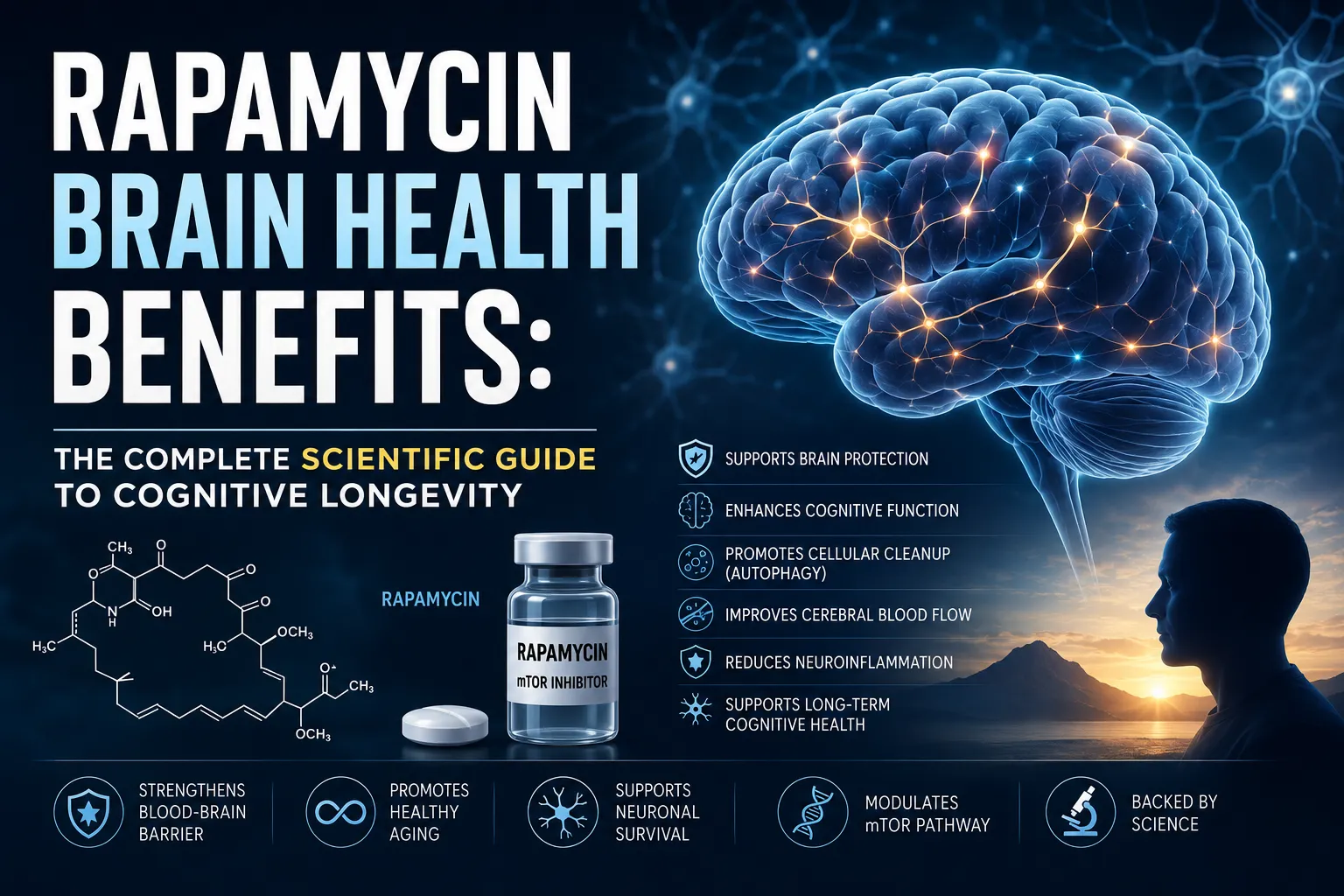
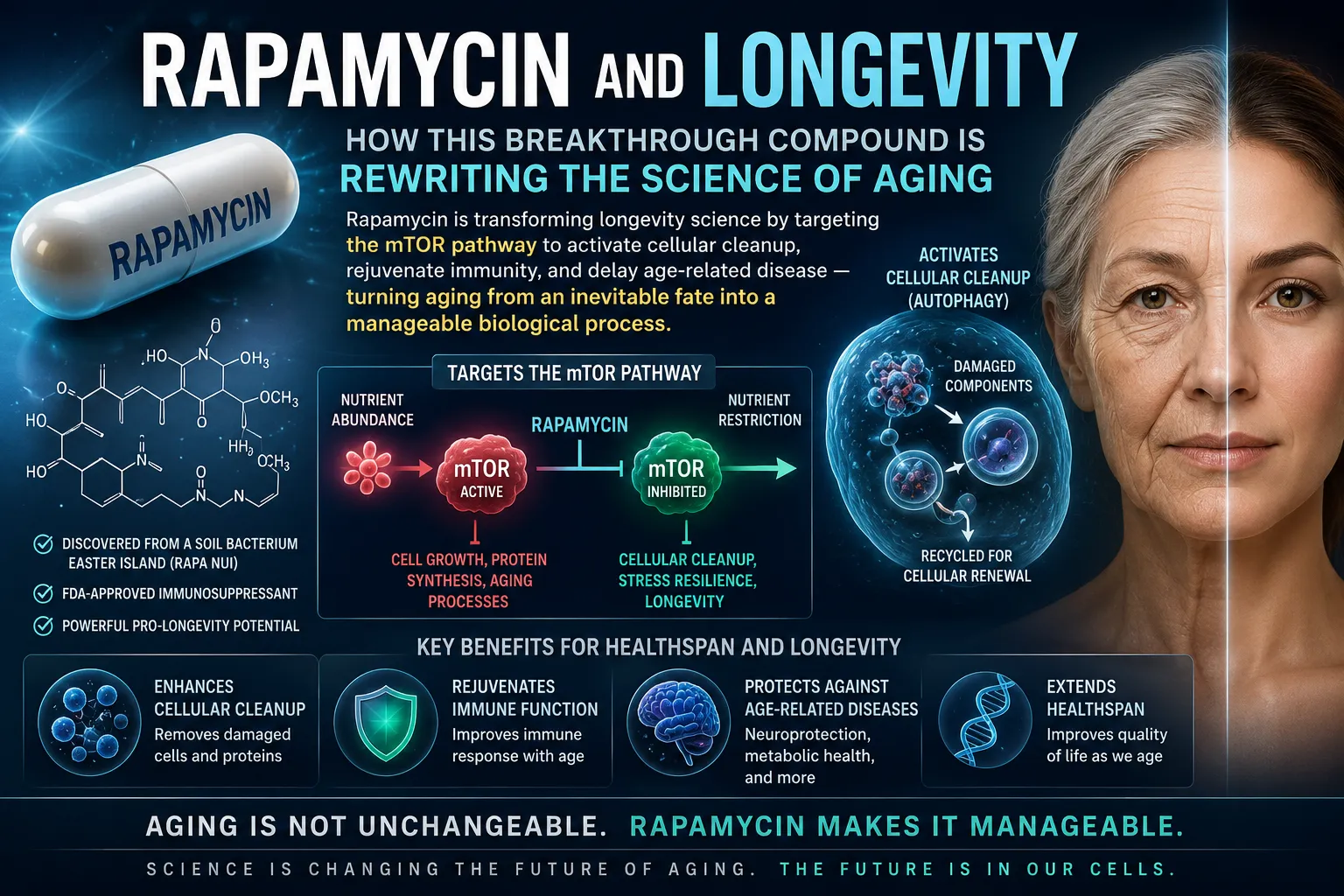
Rapamycin is unlike any other drug in the longevity toolkit. It is the only compound proven to reliably extend lifespan across multiple species — from yeast and worms to mice and primates. It works by inhibiting mTORC1, a protein complex that acts as the cell's master growth and aging regulator. When mTOR is chronically overactive — as it naturally becomes with age — it suppresses autophagy, accelerates cellular senescence, and drives inflammation. Rapamycin turns that process down, giving cells the opportunity to repair, clean themselves, and function more efficiently.
Definition — Autophagy: The cellular process by which cells identify and remove damaged components, effectively cleaning and renewing themselves from the inside. Rapamycin promotes autophagy by reducing mTOR activity.
What researchers are now discovering is that the drug does not operate in isolation. The biological environment your gut creates — through the metabolites it produces around the clock — can either work with rapamycin or against it. Optimizing that environment may be one of the most powerful things a person can do to enhance the drug's effects.

Buy Rapamycin online
Short-Chain Fatty Acids: Your Gut's Built-In mTOR Brake
When gut bacteria ferment dietary fiber, they produce short-chain fatty acids (SCFAs) — primarily butyrate, propionate, and acetate. These molecules are far more than a digestive byproduct. They are active biological signals that influence metabolism, immune function, and cellular aging.
Definition — Short-chain fatty acids (SCFAs): Molecules produced by gut bacteria during fiber fermentation. Butyrate is the most studied and has the strongest demonstrated effects on mTOR inhibition and cellular longevity.
Butyrate in particular has been shown to inhibit mTORC1 through multiple mechanisms — including AMPK activation and HDAC inhibition — that overlap significantly with the pathways activated by caloric restriction and rapamycin itself. In practical terms, a person whose gut microbiome is rich in butyrate-producing bacteria may already have a naturally suppressed mTOR tone before taking rapamycin. The drug then builds on that foundation, potentially delivering effects that are meaningfully stronger than in someone whose gut produces little butyrate.
The bacteria most responsible for butyrate production — including Faecalibacterium prausnitzii and Roseburia intestinalis — thrive on dietary fiber from legumes, whole grains, vegetables, and fruits. Supporting them through diet is one of the most accessible and evidence-based steps available right now.
Definition — AMPK (AMP-activated protein kinase): A cellular energy sensor that activates when energy is low. It naturally suppresses mTOR and is activated by both butyrate and caloric restriction.
Secondary Bile Acids: A Second Pathway to Longevity
The story does not end with SCFAs. Gut bacteria also transform the primary bile acids produced by the liver into secondary bile acids — particularly lithocholic acid (LCA) and deoxycholic acid (DCA). These secondary bile acids activate receptors called FXR and TGR5, which in turn modulate mTOR signaling in ways that complement rapamycin's effects.
Definition — Secondary bile acids: Compounds created when gut bacteria chemically modify liver-produced bile acids. Lithocholic acid (LCA) has shown particularly strong mTOR-inhibiting and lifespan-extending effects in laboratory studies.
Lithocholic acid has been found to extend lifespan in yeast and mammalian cell models through mTOR inhibition — a mechanism that closely mirrors rapamycin itself. A gut microbiome with strong bile acid conversion capacity may therefore be running a second, parallel longevity program alongside rapamycin, compounding the drug's benefits through an entirely independent pathway.
This means the total anti-aging effect experienced by someone with an optimized microbiome could be substantially greater than what the drug alone would achieve in a gut-compromised individual.
Could a "Rapamycin-Responsive" Microbiome Exist?
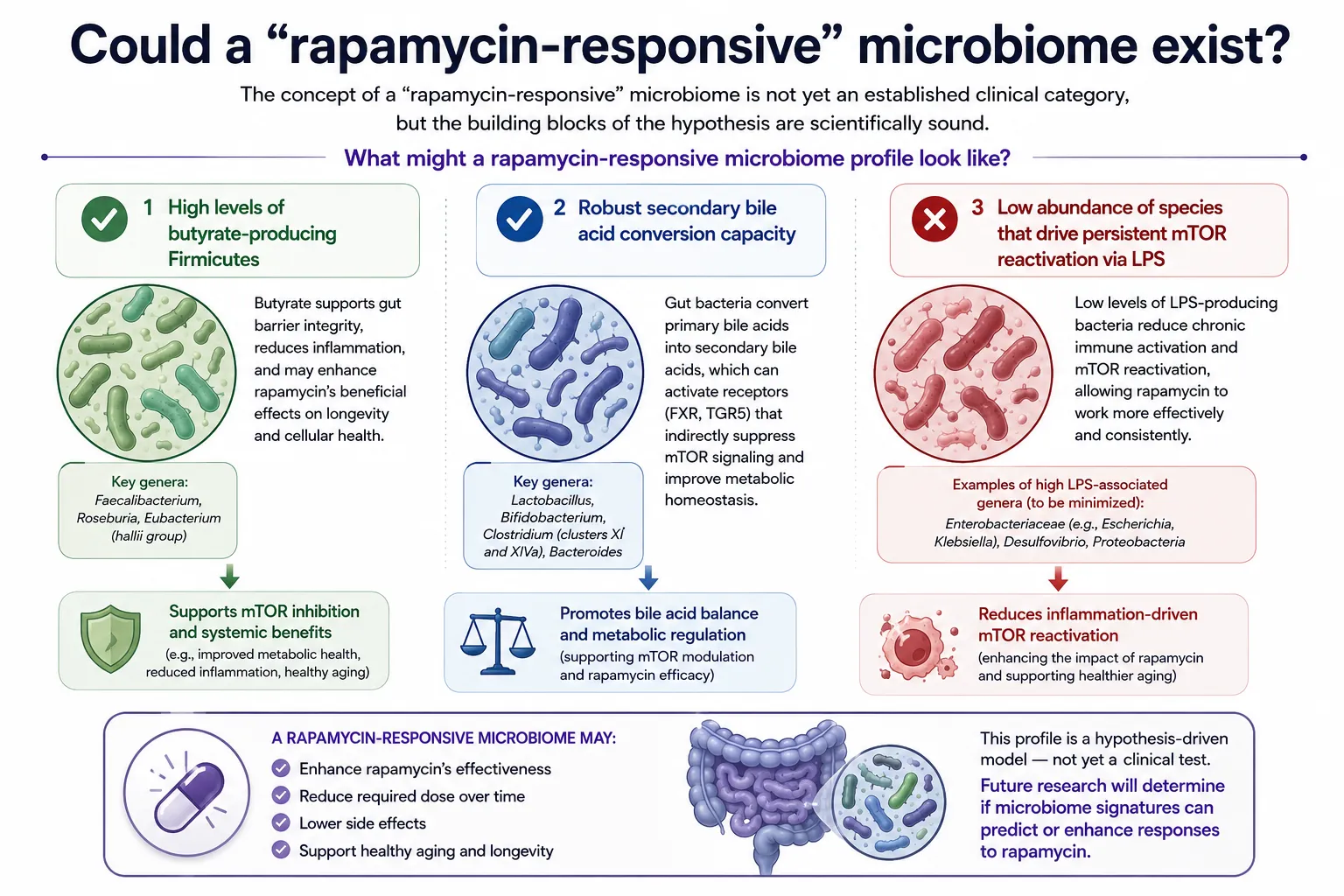
This is the question researchers are now building toward. While no clinical framework has formally defined a "rapamycin-responsive" microbiome yet, the hypothetical profile is becoming clearer. It would likely feature:
- High abundance of butyrate-producing bacteria such as Faecalibacterium prausnitzii and Roseburia intestinalis
- Strong capacity for secondary bile acid conversion, particularly into lithocholic acid
- Low systemic LPS levels, indicating good gut barrier integrity and low inflammatory load
Definition — LPS (lipopolysaccharide): A molecule found on certain gut bacteria that, when it leaks into the bloodstream through a damaged gut lining, triggers inflammation and strongly activates mTOR — directly counteracting rapamycin's effects.
A gut with high LPS leakage and chronic low-grade inflammation is essentially fighting against rapamycin around the clock. Addressing gut barrier health — through diet, lifestyle, and possibly targeted probiotics — could therefore dramatically improve the drug's net effectiveness.
Buy Rapamycin online
Rapamycin May Improve Your Gut — Creating a Positive Cycle
One of the most exciting aspects of this research is the bidirectional nature of the relationship. Rapamycin does not merely respond to the microbiome — it actively reshapes it. Animal studies have consistently shown that rapamycin treatment shifts gut bacterial composition toward healthier, more longevity-associated profiles, including increased abundance of beneficial Lactobacillus and Bifidobacterium species.
This raises the possibility of a genuinely virtuous cycle:
Rapamycin improves gut microbiome composition → improved microbiome produces more mTOR-suppressing metabolites → rapamycin works more effectively → microbiome continues to improve.
For people starting rapamycin therapy with a reasonably healthy gut, this feedback loop could mean that the drug's benefits compound meaningfully over time — beyond what its direct pharmacological effects alone would predict.
Buy Rapamycin online
How to Build a More Rapamycin-Responsive Gut
While personalized clinical protocols for microbiome optimization before rapamycin therapy are still being developed, the practical steps are well supported by existing research:
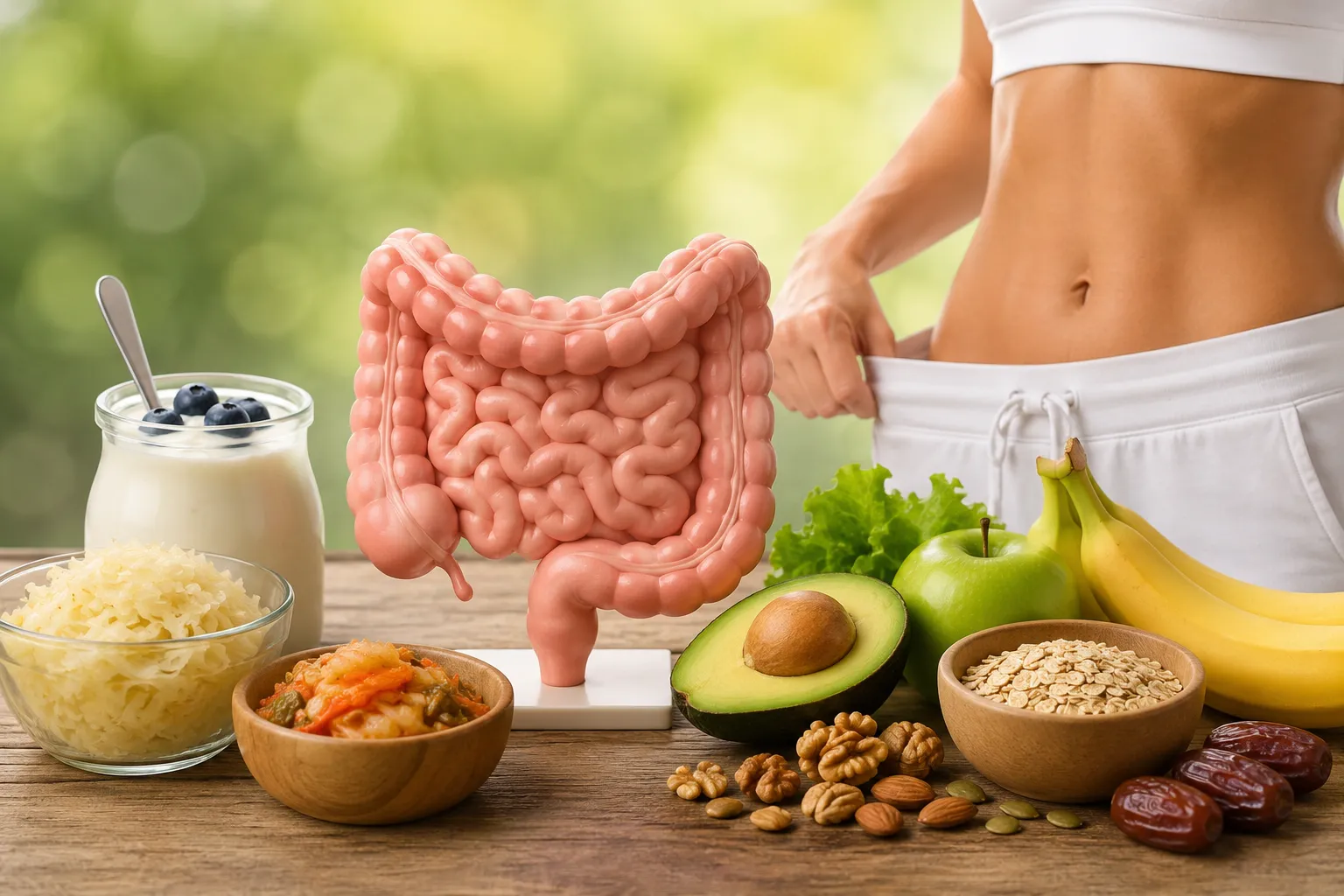
Eat more fermentable fiber. Legumes, oats, barley, vegetables, and fruits feed butyrate-producing bacteria directly. Aim for variety and consistency.
Include fermented foods. Yogurt, kefir, kimchi, sauerkraut, and miso support microbial diversity and introduce beneficial bacterial strains.
Reduce ultra-processed foods. These disrupt the gut lining and reduce populations of beneficial bacteria, potentially increasing LPS leakage.
Consider gut microbiome testing. Comprehensive stool microbiome sequencing combined with SCFA measurement is increasingly available through longevity and functional medicine clinics. It can give a clear picture of your current gut status and guide targeted interventions.
Discuss with your doctor. Any optimization strategy should be discussed with a healthcare provider familiar with both rapamycin and gut health, particularly if you are already taking the drug.
Buy Rapamycin online
Frequently Asked Questions
Q: Does rapamycin work better in people with a healthy gut microbiome? A: The emerging evidence strongly suggests yes. A gut that produces high levels of butyrate and secondary bile acids like lithocholic acid naturally suppresses mTOR through pathways that work alongside rapamycin — potentially amplifying its longevity effects significantly.
Q: What foods best support a rapamycin-responsive microbiome? A: Foods high in fermentable fiber are most important — lentils, beans, chickpeas, oats, barley, and a wide variety of vegetables. These feed the butyrate-producing bacteria most associated with natural mTOR suppression. Fermented foods add further microbial diversity.
Q: Can improving my gut microbiome replace rapamycin? A: Not fully — but a gut optimized for mTOR suppression provides a powerful biological foundation that rapamycin can build on. The two work through complementary pathways and the combination appears to be more effective than either alone.
Q: Is rapamycin safe to take long term? A: Rapamycin is being studied extensively in longevity contexts and shows a favorable profile at the low intermittent doses used in anti-aging protocols. Like all medications, it should be taken under medical supervision with regular monitoring. Many longevity physicians consider it among the most evidence-backed tools currently available.
Q: How would a doctor test for a rapamycin-responsive microbiome? A: This would likely involve gut microbiome sequencing (metagenomics), stool SCFA measurement, and fecal bile acid profiling. Many longevity clinics are already incorporating these tools into rapamycin monitoring protocols, though universal guidelines are still being developed.
Q: Does rapamycin itself help the gut microbiome? A: Yes — animal studies show rapamycin shifts microbiome composition toward healthier, more longevity-associated profiles. This suggests a positive feedback dynamic where rapamycin and an optimized gut work together over time, each reinforcing the other's effects.
Q: What is the biggest gut-related obstacle to rapamycin working well? A: High systemic LPS from a leaky or inflamed gut appears to be the most significant counterforce — it constitutively activates mTOR and works directly against rapamycin. Improving gut barrier integrity through diet and lifestyle is therefore one of the most impactful things a person can do alongside rapamycin therapy.
The Bottom Line
The science is clear and it is encouraging: rapamycin works better in people with a gut microbiome that naturally supports mTOR suppression. Short-chain fatty acids, secondary bile acids, and gut barrier integrity all converge on the same cellular pathway that rapamycin targets — meaning your gut is not a passive bystander in your longevity journey. It is an active participant.
As microbiome science continues to advance, gut profiling before and during rapamycin therapy looks set to become standard practice in longevity medicine. The opportunity to optimize your response to one of the most powerful anti-aging drugs ever discovered — simply by taking better care of your gut — is one of the most accessible and exciting developments in this field today.
Your gut and rapamycin are on the same team. Give them both the best possible conditions to work together.























Sign in to leave a comment.