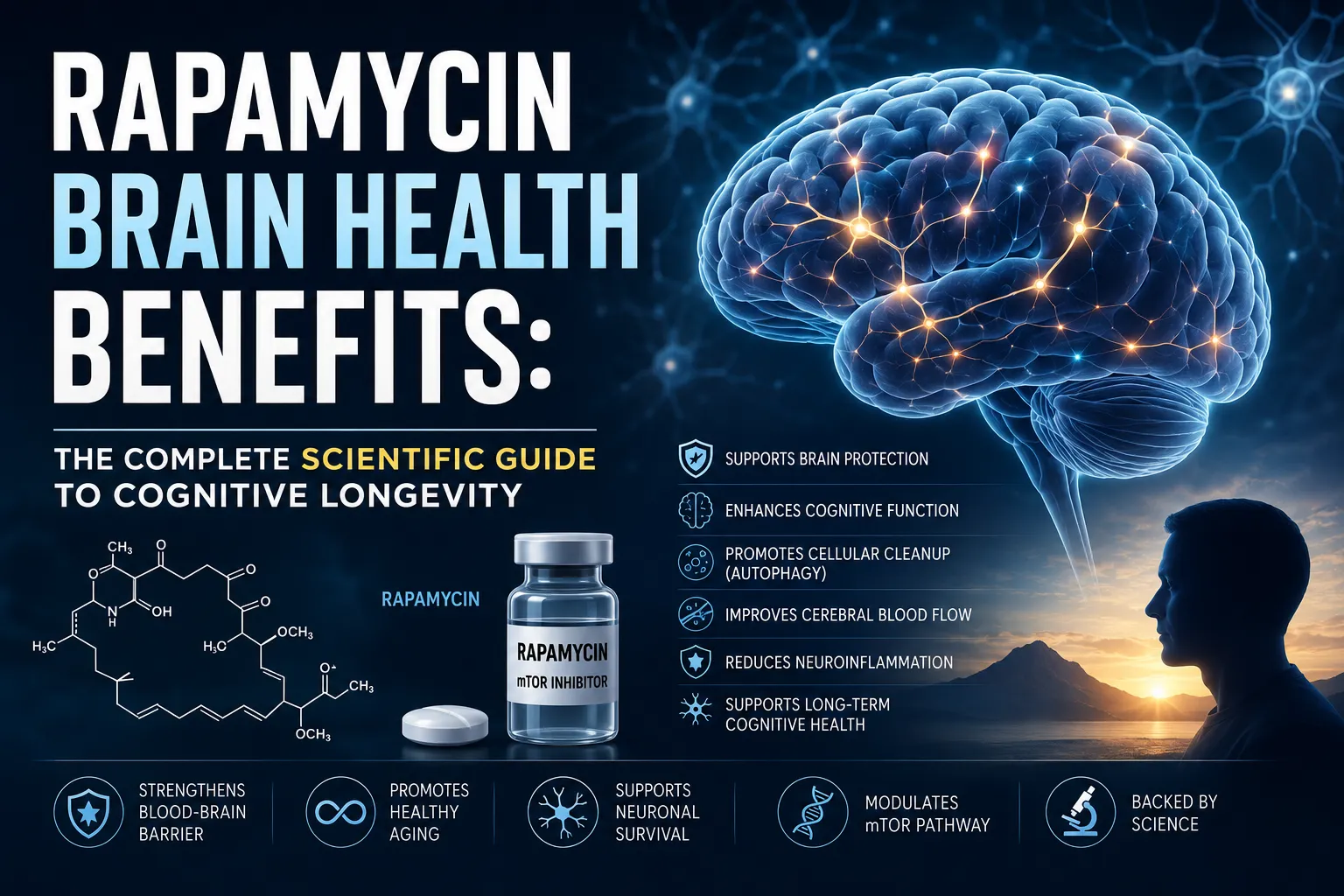

Introduction: The Science That Is Rewriting Brain Aging
Rapamycin brain health benefits are rapidly becoming one of the most important conversations in modern longevity science — and for good reason. For decades, cognitive decline was treated as an unavoidable consequence of growing older. Memory fades. Thinking slows. The sharp, fast, adaptable mind of youth gradually gives way to fog, hesitation, and forgetfulness. Medicine responded by developing treatments for the diseases that result from this decline. It rarely asked whether the decline itself could be prevented.
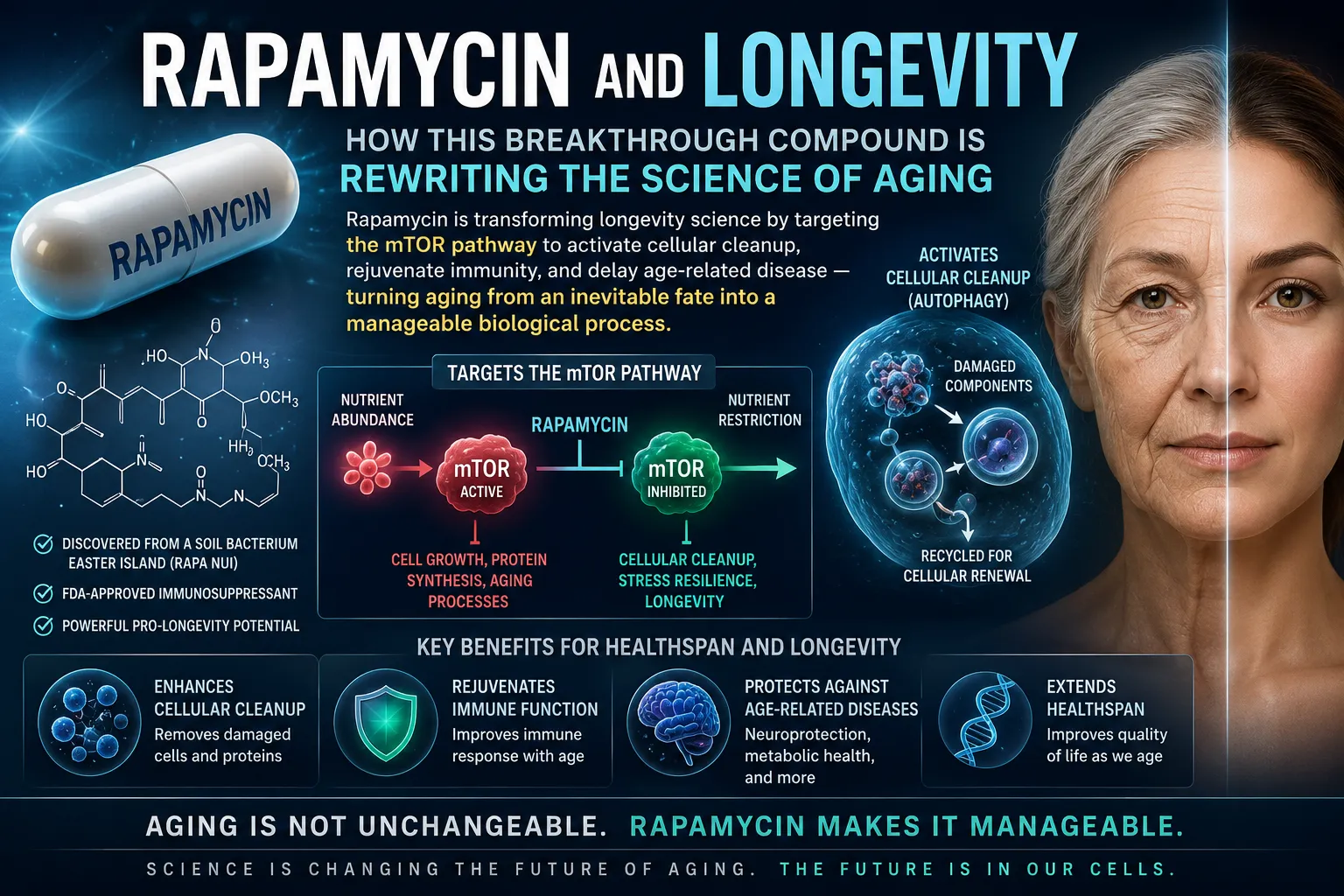
That question is now being asked — and rapamycin brain health benefits are at the center of the answer. Rapamycin is a naturally occurring macrolide compound (a class of molecules with a large ring chemical structure, originally derived from natural sources) first isolated from Easter Island soil bacteria in 1972. For years it was used as an immunosuppressant (a drug that reduces immune system activity to prevent organ rejection) and an anti-cancer agent. Then aging researchers discovered what it does to the biology of aging itself — and everything changed.
This article is the most comprehensive, science-backed guide to rapamycin brain health benefits available. It covers every major biological mechanism through which rapamycin protects and optimizes the aging brain, answers the most common questions people have about this remarkable compound, and explains why leading geroscientists (researchers who study the biology of aging) are calling it one of the most promising geroprotective (aging-slowing) molecules ever discovered.
If you are serious about cognitive longevity, this is one of the most important things you will read.
What Is Rapamycin? Understanding the Foundation of Its Brain Health Benefits
Before exploring the full spectrum of rapamycin brain health benefits, it is essential to understand the molecule itself and the central biological mechanism through which it operates.
Rapamycin — known clinically as sirolimus — is produced naturally by the bacterium Streptomyces hygroscopicus, first discovered in soil samples from Easter Island (Rapa Nui) in 1972. Its name is derived directly from the island. Initially developed as a transplant immunosuppressant and later applied in oncology, rapamycin's extraordinary significance for aging biology was revealed when researchers identified its precise molecular target: mTORC1.
mTORC1 — the mechanistic Target of Rapamycin Complex 1 — is a protein kinase (an enzyme that regulates the activity of other proteins) that functions as a master control switch for cellular growth, metabolism, and maintenance across virtually every cell in the human body. In youth, mTORC1 activity is appropriately balanced — supporting growth and development while permitting adequate cellular maintenance. With age, mTORC1 becomes chronically overactive, driving three processes that are catastrophic for the aging brain:
- Autophagy suppression: mTOR overactivation shuts down the cellular self-cleaning system, allowing damaged proteins and organelles (cellular components) to accumulate unchecked
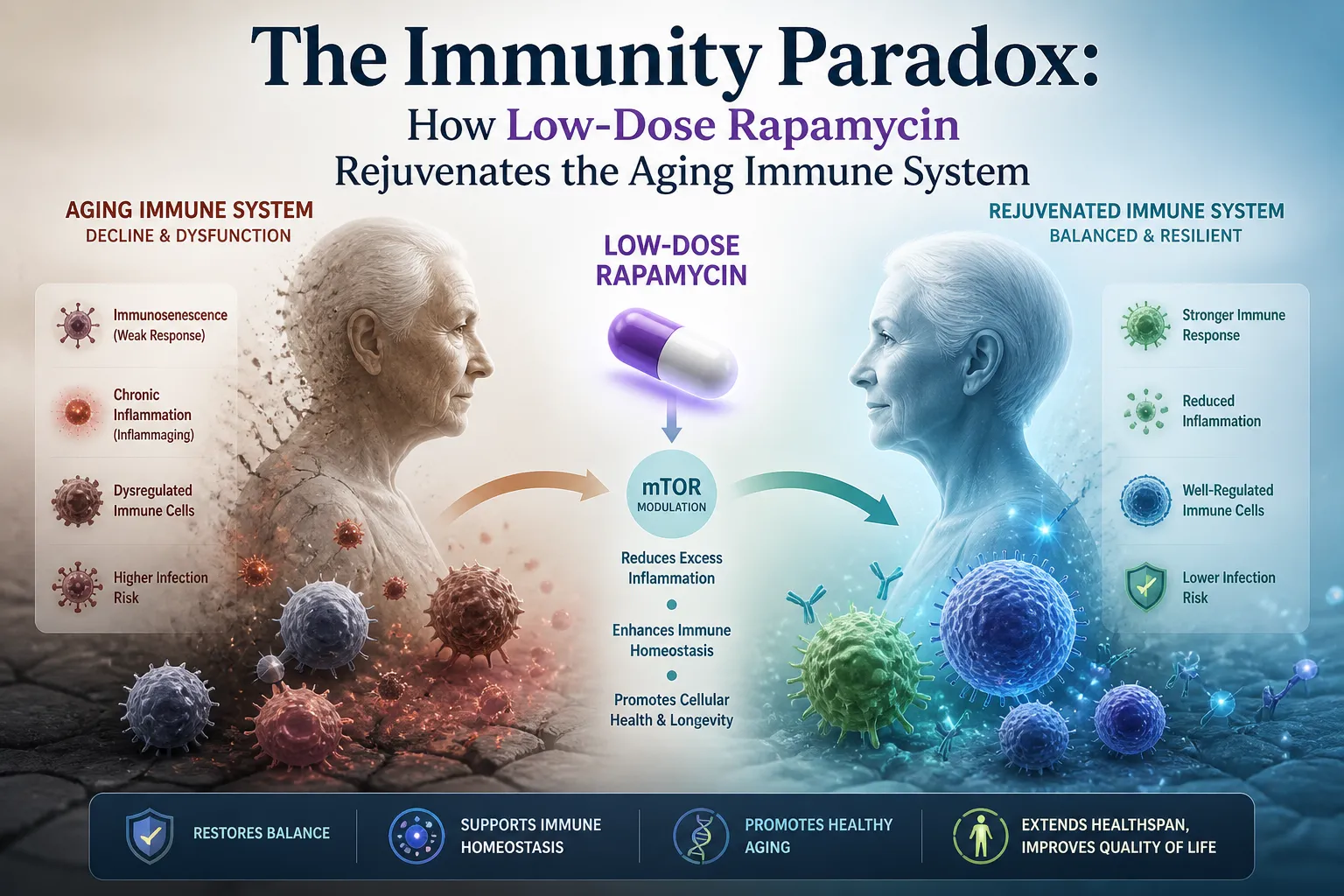
- Chronic inflammation: Overactive mTOR drives multiple inflammatory signaling cascades, creating the toxic neural environment researchers call "inflammaging" (chronic age-related inflammation)
- Cellular senescence: mTOR overactivation accelerates the process by which cells lose function and begin damaging surrounding tissue
Rapamycin is the most precisely characterized mTORC1 inhibitor known to science. By rebalancing this single master switch, it produces cascading beneficial effects across every major system involved in brain aging — simultaneously, through one molecular intervention. This is the foundation upon which all rapamycin brain health benefits are built.
Buy Rapamycin online
The 7 Proven Rapamycin Brain Health Benefits: A Deep Scientific Breakdown
Rapamycin Brain Health Benefit #1: Reinforcing the Blood-Brain Barrier
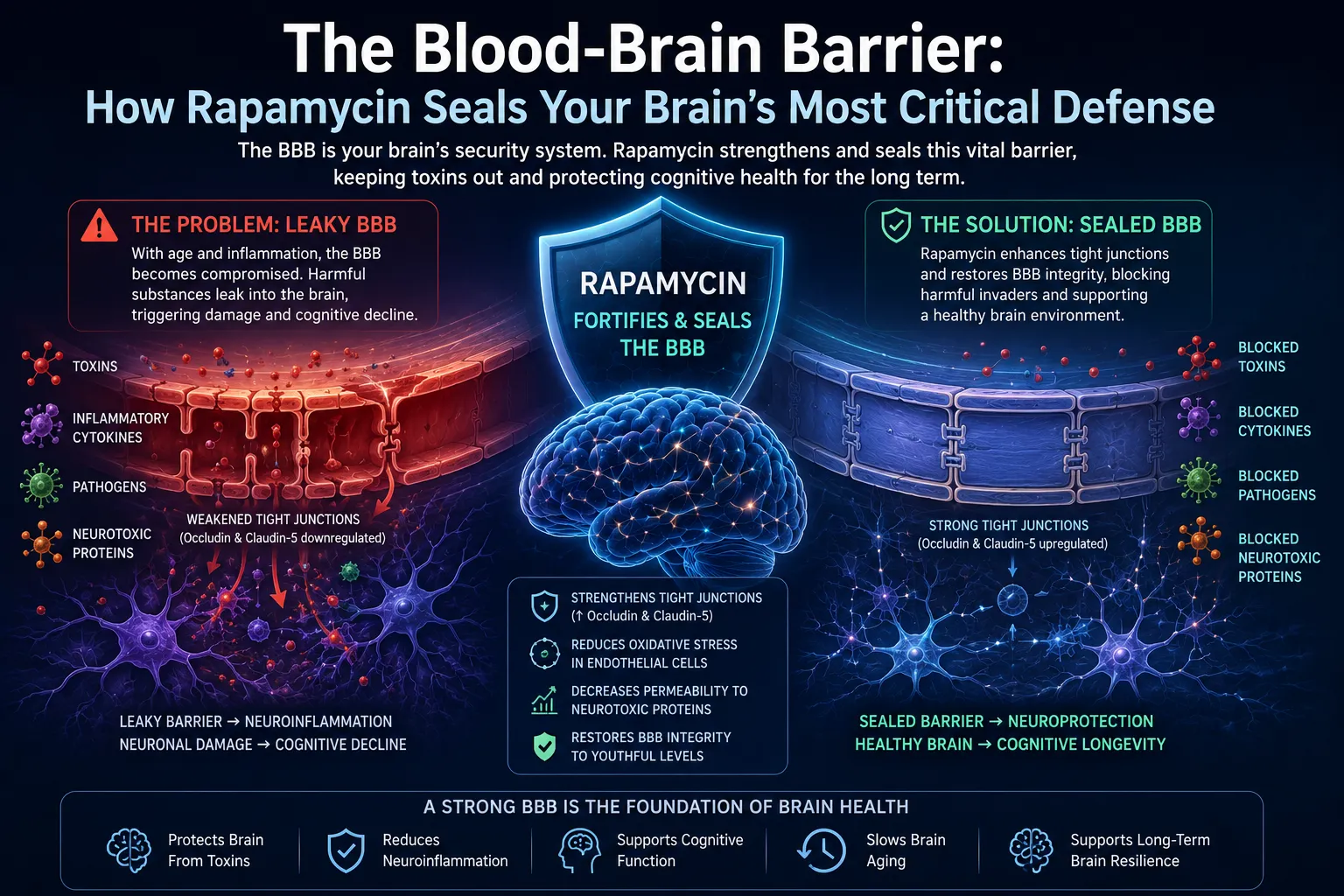
Among the most critical rapamycin brain health benefits is its ability to strengthen and restore the Blood-Brain Barrier — a continuous layer of specialized endothelial cells (cells lining blood vessels) held together by tight junction proteins called Occludin and Claudin-5. These proteins create a near-perfect molecular seal that maintains the brain's internal environment: allowing oxygen, glucose, and essential nutrients through while blocking pathogens, toxins, and most inflammatory molecules.
When the Blood-Brain Barrier functions optimally, the brain exists in a state of biological privilege — a precisely controlled chemical environment optimized for high-performance neural activity. When it fails, the consequences are severe and progressive.
Research published across multiple leading neuroscience journals confirms that Blood-Brain Barrier integrity deteriorates significantly with age. Tight junction proteins degrade. Gaps open between cells. The barrier becomes "leaky" — allowing neurotoxic blood-derived proteins (including albumin, which directly damages neurons), inflammatory cytokines (cell-signaling proteins that promote immune responses and inflammation), and pathogens to infiltrate brain tissue that was never designed to accommodate them.
The result is chronic neuroinflammation — a persistent, low-grade inflammatory state within the brain that damages neurons, disrupts synaptic communication (the transmission of signals between neurons), and creates the precise biological conditions under which neurodegenerative diseases develop. Critically, this process begins in middle age — often 20 or more years before any cognitive symptom is clinically detectable.
Rapamycin reverses this degradation at the molecular level. By inhibiting mTORC1 in the endothelial cells forming the barrier, it upregulates (increases cellular production of) the tight junction proteins that maintain integrity. Multiple aging animal studies demonstrate that rapamycin treatment restores Blood-Brain Barrier integrity to levels comparable to significantly younger subjects.
This is the most foundational of all rapamycin brain health benefits — because every other protective mechanism depends on operating behind a secure, intact barrier.
Rapamycin Brain Health Benefit #2: Restoring Cerebral Blood Flow to Youthful Levels
The second of the core rapamycin brain health benefits addresses a crisis that is silently unfolding in most aging brains: the progressive reduction of cerebral blood flow.
The brain is the most metabolically demanding organ in the human body. Despite comprising only approximately 2% of total body weight, it consumes roughly 20% of the body's entire oxygen supply. It runs continuously at extraordinary metabolic intensity — and it requires a constant, precisely regulated blood supply to do so.
When blood flow to the brain diminishes — a condition called cerebral hypoperfusion (insufficient blood delivery to brain tissue) — neurons and their supporting cells are progressively starved of oxygen and glucose. Over time this leads to synaptic failure (breakdown of the connections between neurons), neuronal death, and accelerating cognitive decline. What makes cerebral hypoperfusion particularly significant for preventive medicine is its timeline: reduced cerebral blood flow precedes clinical cognitive decline by a decade or more in many individuals. The vascular deterioration is well underway before any symptoms are detectable.
Rapamycin addresses this through its effects on eNOS — endothelial nitric oxide synthase, an enzyme in blood vessel walls that produces nitric oxide (NO). Nitric oxide is the primary vasodilatory signal in the vascular system — the molecular instruction that causes blood vessels to relax, widen, and maintain their flexibility. As eNOS activity declines with age, cerebral blood vessels become stiffer and less responsive, impairing the brain's ability to adapt blood delivery to changing neural demands.
Rapamycin enhances eNOS activity, restoring vascular flexibility and responsiveness. Studies in aging animal models demonstrate that rapamycin treatment can return cerebral blood flow to levels characteristic of much younger subjects. Critically, it also preserves neurovascular coupling — the brain's remarkable ability to instantly redirect blood to regions of peak neural activity — ensuring that every part of the brain receives the metabolic support it needs, precisely when it needs it.
Buy Rapamycin online
Rapamycin Brain Health Benefit #3: Activating Autophagy to Clear Toxic Protein Buildup
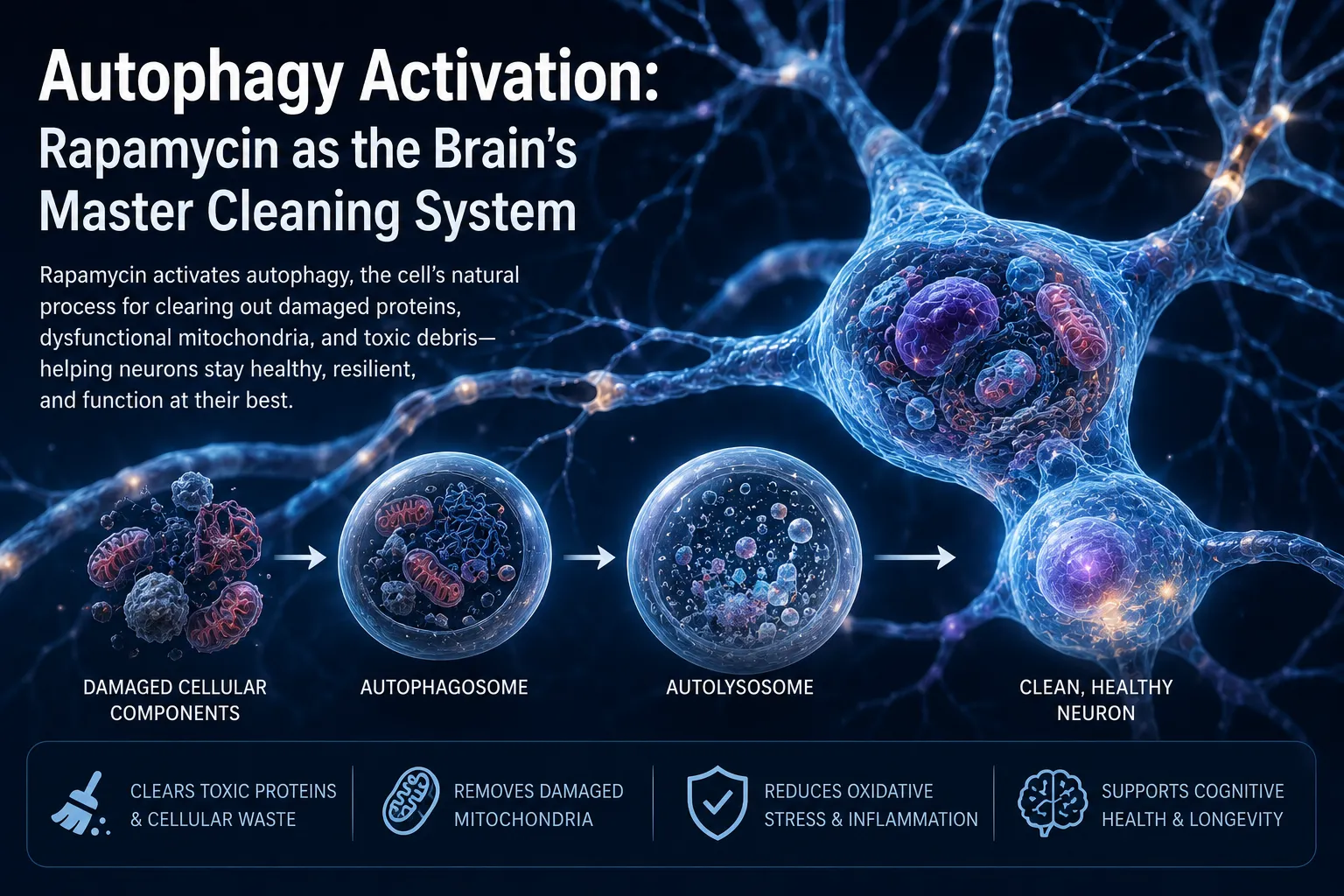
Perhaps the most celebrated of all rapamycin brain health benefits is its powerful activation of autophagy — from the Greek meaning "self-eating" — the cellular process by which damaged proteins, dysfunctional organelles, and other intracellular debris are identified, captured, and broken down for recycling.
Neurons are post-mitotic cells — meaning they cannot divide and replace themselves the way most cells in the body can. The neurons in your hippocampus (the brain region most critical for memory formation and retrieval) today are largely the same cells that were present in childhood. They must function reliably across an entire human lifetime. This makes autophagy not merely beneficial for neurons — it is existential. Without robust, continuous autophagy, neurons progressively accumulate damage and eventually fail.
The proteins most implicated in the most devastating neurological diseases are precisely those that a fully functioning autophagic system would clear:
- Amyloid-beta plaques: Protein fragments that aggregate (clump together) between neurons, disrupting synaptic signaling — the hallmark pathology of Alzheimer's disease. These begin accumulating measurably decades before symptoms appear
- Neurofibrillary tau tangles: Abnormal accumulations of tau protein that collapse the internal structural and transport infrastructure of neurons, impairing their function and leading to cell death
- Alpha-synuclein aggregates (Lewy bodies): Protein clumps directly toxic to dopamine-producing neurons, implicated in Parkinson's disease and Lewy body dementia
The tragedy of aging is that mTORC1 overactivation suppresses autophagy at precisely the moment when protein accumulation is accelerating. The cleaning system is turned down when it is needed most.
Rapamycin removes mTORC1's inhibitory brake on autophagy, unleashing the full cellular cleaning machinery. Autophagosomes (the double-membrane vesicles that engulf cellular debris) form in greater numbers. Lysosomes (the cellular degradation chambers often described as the cell's "trash compactors") process captured material more efficiently. The molecular components are recycled for cellular repair.
Multiple peer-reviewed studies in aging animal models have demonstrated significant reductions in amyloid-beta burden following rapamycin treatment, accompanied by measurable improvements in memory and cognitive performance — among the most compelling evidence available for the direct neurological value of this mechanism.
Rapamycin Brain Health Benefit #4: Eliminating Chronic Neuroinflammation
The fourth of the rapamycin brain health benefits addresses what many geroscientists consider the central driver of brain aging: chronic neuroinflammation, mediated by the brain's own immune cells.
Microglia — the central nervous system's resident immune population — constitute approximately 10 to 15 percent of all cells in the brain. In their healthy surveillant state, they are among the most sophisticated cells in the body: continuously patrolling brain tissue, clearing synaptic debris, supporting neuronal health, and responding to genuine threats with precision. In a young, healthy brain they are the brain's most reliable defenders.
Aging corrupts this system through a process called microglial priming or senescence (cellular aging that impairs function and regulation). Primed microglia become hyper-reactive — triggering disproportionately large inflammatory responses to minor stimuli. They over-produce pro-inflammatory cytokines including TNF-alpha, IL-1beta, and IL-6, which at chronically elevated concentrations are directly neurotoxic (toxic to neurons). They engage in excessive synaptic pruning (the inappropriate removal of neural connections), reducing brain connectivity. They generate reactive oxygen species (chemically unstable free radical molecules) that damage neuronal membranes, proteins, and DNA.
Once activated to this destructive state, microglia can maintain and amplify their own inflammatory activation in a self-reinforcing cycle — damaged neurons trigger further microglial activation, which damages more neurons, which triggers further activation. Breaking this cycle is one of the most important goals in preventive neurology.
Rapamycin breaks it. By inhibiting mTORC1 in microglia, it shifts these cells from their damaging pro-inflammatory state back toward their healthy, reparative, surveillant state. It suppresses NF-kB signaling — the master transcription factor (a protein that switches inflammatory genes on and off) driving inflammatory gene expression across the immune system. It reduces cytokine production. It restores microglial phagocytic efficiency (the ability to clear debris effectively). It decreases oxidative stress throughout the neural environment.
Research consistently demonstrates lower neuroinflammatory markers, better synaptic preservation, and improved cognitive performance in rapamycin-treated aging subjects compared to controls. The brain under rapamycin runs cooler, quieter, and far more conducive to neuronal health and repair.
Buy Rapamycin online
Rapamycin Brain Health Benefit #5: Preserving White Matter and Neural Signal Speed
The fifth of the rapamycin brain health benefits protects something that is often overlooked in discussions of cognitive aging but is critically important to how the brain actually performs: white matter integrity.
While neurons are the brain's processors, white matter — the vast network of myelinated axons (nerve fibers insulated with a fatty coating called myelin) connecting different brain regions — is the brain's wiring. Without intact, well-insulated wiring, the brain's processing power is fragmented. Regions that must work together in coordinated networks cannot communicate reliably or at full speed.
Myelin is produced and continuously maintained by specialized cells called oligodendrocytes. It enables a form of electrical signal propagation called saltatory conduction (from the Latin "to jump") — where impulses leap between gaps in the myelin sheath rather than traveling slowly along the entire axon surface — increasing signal transmission speed by orders of magnitude compared to unmyelinated fibers.
When myelin degrades with age — driven by mTOR overactivation, neuroinflammation, reduced blood flow, and oxidative damage to oligodendrocytes — signal transmission slows. The brain's internal communication becomes less efficient. Processing speed drops. Working memory (the ability to hold and mentally manipulate multiple pieces of information simultaneously) contracts. The cognitive lag that many people associate with "normal aging" — the tip-of-the-tongue moments, the half-second delays, the slight reduction in mental sharpness — is in significant part the experiential consequence of white matter degradation.
Brain imaging studies using diffusion tensor imaging (a specialized MRI technique that maps the microstructural integrity of white matter by tracking water molecule movement through brain tissue) consistently identify white matter integrity as among the strongest predictors of cognitive performance in older adults.
Rapamycin protects white matter by addressing the root causes of oligodendrocyte decline simultaneously: mTOR modulation restores their metabolic balance for sustained myelin production; anti-neuroinflammatory effects protect them from cytotoxic damage; improved cerebral blood flow ensures adequate metabolic resources; and enhanced autophagy clears myelin debris that interferes with remyelination (the natural repair of damaged myelin sheaths). The result is preserved signal speed, better working memory, and more reliable cognitive performance across the decades.
Buy Rapamycin online
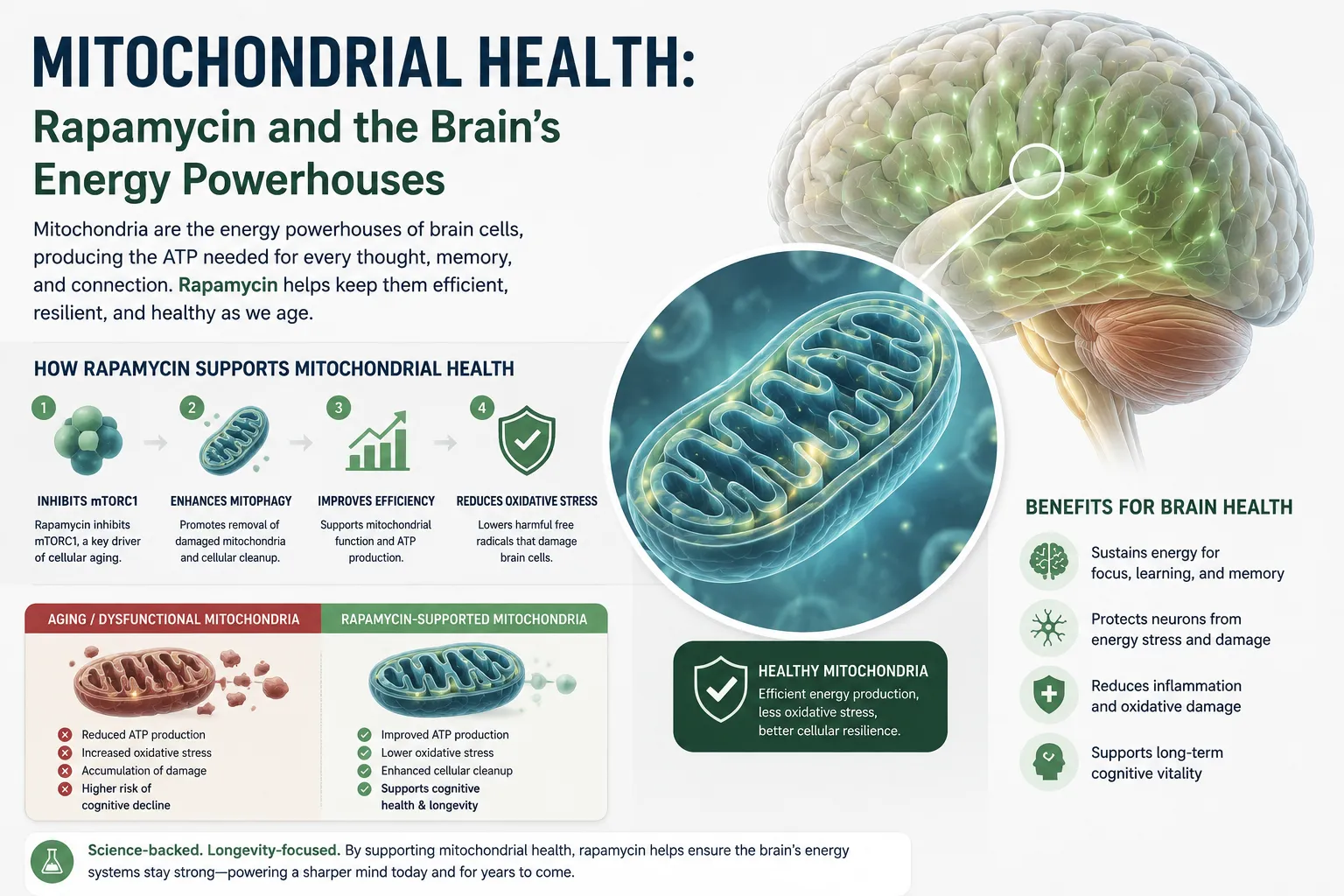
Rapamycin Brain Health Benefit #6: Optimizing Mitochondrial Function for Sustained Neural Energy
The sixth of the rapamycin brain health benefits operates at the most fundamental level of cellular energy production — a level whose importance for cognition is easy to underestimate but impossible to overstate.
Every thought, every memory, every moment of conscious experience is underpinned by an extraordinary metabolic transaction. Neurons maintain their function by continuously pumping ions across their membranes to sustain the electrical gradients that enable neural signaling. This requires vast, continuous production of ATP — adenosine triphosphate, the universal energy currency of cellular biology — produced by mitochondria (the organelles, meaning specialized cellular structures, that function as the cell's power generators).
The energetic demands of the brain are extraordinary by any biological standard. Despite being 2% of body weight, it consumes 20% of total body energy. Individual neurons may require millions of ATP molecules per second during active firing. This metabolic intensity makes neurons acutely sensitive to mitochondrial dysfunction — and mitochondrial function declines significantly with age.
Aging mitochondria accumulate DNA damage, produce ATP less efficiently, and generate increasing quantities of reactive oxygen species as byproducts of impaired metabolism. Critically, damaged mitochondria do not underperform in isolation — they actively interfere with healthy neighboring mitochondria, accelerating the deterioration of the entire cellular energy system.
Rapamycin addresses this through mitophagy — a specialized form of autophagy that selectively targets damaged or dysfunctional mitochondria for removal and recycling before they can corrupt the broader mitochondrial population. It also supports mitochondrial biogenesis (the generation of new, healthy mitochondria) through modulation of the PGC-1alpha signaling pathway — a master regulator of mitochondrial production and function.
Studies in aging animal models consistently demonstrate significantly better mitochondrial function in brain tissue following rapamycin treatment: higher respiratory efficiency, lower reactive oxygen species output, better membrane potential maintenance (the electrical charge differential across the inner mitochondrial membrane that drives ATP synthesis), and improved overall energy output. Neurons with healthier mitochondria have more energy available for the demanding work of synaptic function, molecular repair, and sustained cognitive performance.
Rapamycin Brain Health Benefit #7: Preserving Synaptic Plasticity — The Summit of Cognitive Performance
The seventh and most encompassing of the rapamycin brain health benefits is the preservation of synaptic plasticity — the master functional outcome toward which every other mechanism described in this article converges.
Synaptic plasticity is the capacity of synapses — the contact points between neurons where information is chemically and electrically transmitted — to change in strength, number, and character in response to experience, learning, and environmental demand. It is the biological substrate of memory formation (through a mechanism called long-term potentiation, or LTP, where repeated synaptic activity strengthens connections between neurons), skill acquisition, creative reasoning, adaptive problem-solving, and cognitive flexibility.
Without robust synaptic plasticity, the brain cannot encode new memories, learn new skills, or update its understanding of the world. It is the single most important functional property of the human brain — and it is directly dependent on the integrity of every system rapamycin protects.
Protein aggregates disrupt the molecular machinery at synapses. Neuroinflammation degrades the synaptic environment through cytotoxic and excessive pruning mechanisms. Mitochondrial dysfunction starves synapses of the energy required for the molecular changes underlying LTP. White matter degradation slows the signals traveling between synaptic networks. Reduced blood flow limits metabolic support for high-level synaptic activity. A leaky Blood-Brain Barrier exposes synapses to neurotoxic blood-derived factors.
Rapamycin, by addressing all six upstream conditions through its interlocking biological mechanisms, preserves the environment in which robust synaptic plasticity is possible. The research evidence is compelling: rapamycin-treated aging animals consistently and significantly outperform age-matched controls on spatial memory tasks, novel object recognition, and maze navigation — behavioral assessments that directly measure hippocampal and prefrontal cortex function, the brain systems most critical to human memory and executive reasoning, and most vulnerable to age-related cognitive decline.
The Complete Rapamycin Brain Health Benefits Summary Table
| Benefit | Mechanism | Key Outcome |
|---|---|---|
| Blood-Brain Barrier Reinforcement | Upregulates Occludin and Claudin-5 tight junction proteins | Protects brain's internal environment from toxins and inflammation |
| Cerebral Blood Flow Restoration | Enhances eNOS activity; improves vascular flexibility | Delivers youthful oxygen and glucose levels to neurons |
| Autophagy Activation | Removes mTORC1's brake on cellular cleaning | Clears amyloid-beta, tau tangles, and alpha-synuclein aggregates |
| Neuroinflammation Control | Resets microglia; suppresses NF-kB signaling | Protects neurons from chronic inflammatory damage |
| White Matter Preservation | Protects oligodendrocytes; supports myelin maintenance | Maintains signal speed and neural network efficiency |
| Mitochondrial Optimization | Activates mitophagy; supports biogenesis via PGC-1alpha | Sustains neuronal energy supply and reduces oxidative damage |
| Synaptic Plasticity Maintenance | Preserves molecular and cellular synaptic environment | Maintains memory, learning capacity, and cognitive adaptability |

Buy Rapamycin online
Frequently Asked Questions About Rapamycin Brain Health Benefits
Q: What are the most important rapamycin brain health benefits supported by current research?
A: The most extensively studied and well-characterized rapamycin brain health benefits include the reinforcement of the Blood-Brain Barrier through upregulation of tight junction proteins, the restoration of cerebral blood flow through enhanced eNOS (endothelial nitric oxide synthase) activity, the activation of autophagy to clear neurotoxic protein aggregates including amyloid-beta and tau, the reduction of neuroinflammation through microglial rebalancing and NF-kB suppression, the preservation of white matter integrity by protecting myelin-producing oligodendrocytes, the optimization of mitochondrial function through mitophagy activation, and the maintenance of synaptic plasticity — the brain's capacity for memory and learning. These benefits are interconnected and mutually reinforcing, working simultaneously through rapamycin's inhibition of mTORC1.
Q: How do rapamycin brain health benefits compare to conventional brain health supplements?
A: The rapamycin brain health benefits operate at a fundamentally different and deeper level than conventional supplements. Most brain health supplements — whether omega-3 fatty acids, phosphatidylserine, lion's mane mushroom, or antioxidant compounds — work by providing nutritional cofactors, modulating neurotransmitter systems (the chemical messaging systems between neurons), or offering antioxidant protection. These approaches can produce genuine but generally modest benefits. Rapamycin, by contrast, directly inhibits mTORC1 — a master regulator of the aging process itself — producing cascading effects across autophagy, inflammation biology, vascular health, mitochondrial function, and protein homeostasis simultaneously. It does not provide nutritional inputs to an aging system; it directly recalibrates the molecular machinery governing how quickly that system ages. These are categorically different levels of biological intervention.
Q: Can rapamycin brain health benefits include Alzheimer's disease prevention?
A: The evidence from animal research is compelling and the direction is clearly positive. In aging mouse models of Alzheimer's disease, rapamycin treatment has produced significant reductions in amyloid-beta plaque burden and tau pathology — the two hallmark protein aggregates of Alzheimer's — through autophagy activation. Beyond protein clearance, rapamycin addresses several other pathological mechanisms central to Alzheimer's progression: Blood-Brain Barrier breakdown (which allows neurotoxic factors into brain tissue), cerebrovascular dysfunction (reduced blood flow that starves neurons), chronic neuroinflammation (which damages synapses and neurons), and mitochondrial failure (which starves neurons of the energy they need to survive). Human clinical trials specifically investigating rapamycin's effects on Alzheimer's prevention and progression are currently underway. The animal evidence is strong; the human evidence is actively emerging.
Q: How does the rapamycin brain health benefit related to autophagy actually work?
A: mTORC1 is the master inhibitor of autophagy — when mTORC1 is chronically active (as it is in aging cells), it phosphorylates (chemically tags) and thereby inactivates the ULK1 complex, which is the molecular initiator of the autophagy process. This suppression prevents cells from clearing accumulated damaged proteins. Rapamycin removes this inhibitory signal by binding to FKBP12 (a cellular protein) and then inhibiting mTORC1, effectively releasing the brake on autophagy. The autophagic machinery then activates fully: autophagosomes (double-membrane cellular vesicles) form and engulf damaged proteins and organelles; lysosomes (cellular degradation chambers) fuse with autophagosomes and break down the captured material; the molecular components are recycled for cellular repair and energy production. In neurons specifically, this process clears the amyloid-beta fragments, tau aggregates, and alpha-synuclein clumps that progressively accumulate with age and drive neurodegenerative disease — often decades before clinical symptoms appear.
Q: What does the rapamycin brain health benefit for inflammation actually mean in practical terms?
A: In practical cognitive terms, the rapamycin brain health benefit for neuroinflammation means the difference between a brain whose internal immune system is working for it and one whose immune system is, in effect, working against it. In an aging brain with uncontrolled neuroinflammation, chronically hyperactivated microglia are constantly releasing low levels of inflammatory signals that damage synapses, degrade the surrounding neural environment, and consume cellular resources that should be directed toward maintenance and repair. The cognitive experience of this is a gradual dimming of mental sharpness — slower processing, reduced cognitive resilience under pressure, declining working memory capacity. By rebalancing microglial activity from a destructive to a reparative mode, rapamycin restores an internal neural environment in which neurons are protected, synapses are maintained, and the biological conditions for cognitive performance are sustained rather than progressively eroded.
Q: Are the rapamycin brain health benefits only relevant for people already experiencing cognitive decline?
A: No — and this is one of the most important points about rapamycin brain health benefits. The mechanisms through which rapamycin benefits the brain — autophagy activation, Blood-Brain Barrier reinforcement, vascular improvement, inflammation reduction, mitochondrial optimization — are active and relevant in all aging brains, not only those showing clinical signs of disease. Many of rapamycin's most significant protective effects are preventive in nature: they act on molecular pathways to prevent damage from accumulating before it reaches pathological levels, rather than reversing damage that is already extensive. The most scientifically compelling argument for rapamycin as a brain health intervention is precisely that it should be considered before symptoms appear — during the long silent window when biological aging processes are advancing but clinical consequences have not yet manifested. Animal studies consistently demonstrate cognitive benefits in subjects that were cognitively normal at the start of treatment.
Q: How quickly do rapamycin brain health benefits become measurable?
A: In animal studies, measurable improvements in biological markers of brain health — including Blood-Brain Barrier integrity, cerebral blood flow, neuroinflammatory markers, and autophagy activity — begin appearing within weeks of treatment initiation. Functional cognitive improvements, as measured by behavioral assessments, typically become statistically significant over a period of months. The human timeline is an active area of ongoing clinical research and is expected to be more variable, reflecting individual differences in baseline biological age, genetic factors, metabolic status, existing vascular health, and other variables. It is also essential to understand that because many of rapamycin's most important brain health benefits are preventive — protecting biological systems before they fail rather than repairing them after — the measurable outcomes of interest in truly preventive use cases may not be the appearance of improvement but the non-appearance of decline that would otherwise have occurred.
Q: What is "inflammaging" and how specifically do rapamycin brain health benefits address it?
A: Inflammaging is a term coined by geroscientists to describe the chronic, low-grade systemic inflammatory state that develops progressively with biological age. It is driven by multiple converging mechanisms: the accumulation of senescent cells (cells that have lost normal function and secrete inflammatory molecules into surrounding tissue), age-related gut microbiome changes, increased intestinal permeability, and — critically for the brain — the progressive priming of microglia into a hyperreactive state. Rapamycin addresses brain inflammaging through multiple simultaneous mechanisms: it directly inhibits mTORC1 in microglia, reducing their inflammatory cytokine production and shifting them toward reparative function; it suppresses NF-kB signaling (the master inflammatory transcription factor) across immune cells throughout the brain and body; it reduces cellular senescence through autophagy-mediated clearance of senescent cell components; and it maintains Blood-Brain Barrier integrity to prevent circulating systemic inflammatory signals from entering the cerebral environment. The cumulative effect is a measurably lower inflammatory tone throughout the neural environment — a brain that is biologically quieter, less damaged per unit of time, and more capable of maintaining the repair and maintenance activities that sustain cognitive performance.
Conclusion: Rapamycin Brain Health Benefits and the New Paradigm of Cognitive Longevity
The rapamycin brain health benefits documented across decades of molecular biology and aging research represent something more significant than an incremental advance in neuroscience. They represent a fundamental reorientation in how medicine can approach the aging brain.
For most of medical history, cognitive decline was addressed reactively — after the diagnosis, after the symptoms, after irreplaceable neurons had been lost. The treatments available at that stage are limited. We became very good at managing neurological decline. We were far less successful at preventing it.
Rapamycin brain health benefits suggest a different approach entirely — one grounded in the understanding that the biological processes driving cognitive decline are specific, mechanistically characterized, and directly addressable. By reinforcing the Blood-Brain Barrier before it becomes leaky, by activating autophagy before protein aggregates reach pathological concentrations, by restoring cerebral blood flow before neurons begin to starve, by cooling neuroinflammation before it has permanently damaged irreplaceable neural circuits — rapamycin intervenes at the level of causes rather than consequences.
This is the promise of geroprotection: not the treatment of age-related brain disease, but the maintenance of the biological conditions that prevent it from developing. The brain you will have at 75, 80, or 90 is not simply determined by your genetics. It is the product of the cumulative biological environment your neurons have inhabited across your lifetime — the quality of their blood supply, the efficiency of their cellular cleaning, the tone of their immune environment, the integrity of their structural support systems.
The rapamycin brain health benefits documented in current research offer the possibility of making that environment healthier, cleaner, and more sustainably supportive of high-level neural function — across the full arc of a long human life.
The cognitive decline we have accepted as inevitable is, in significant and measurable part, a biological process. And biological processes, when understood with sufficient precision, can be modified.
That is what rapamycin brain health benefits represent. And it is one of the most important stories in contemporary science.

























Sign in to leave a comment.