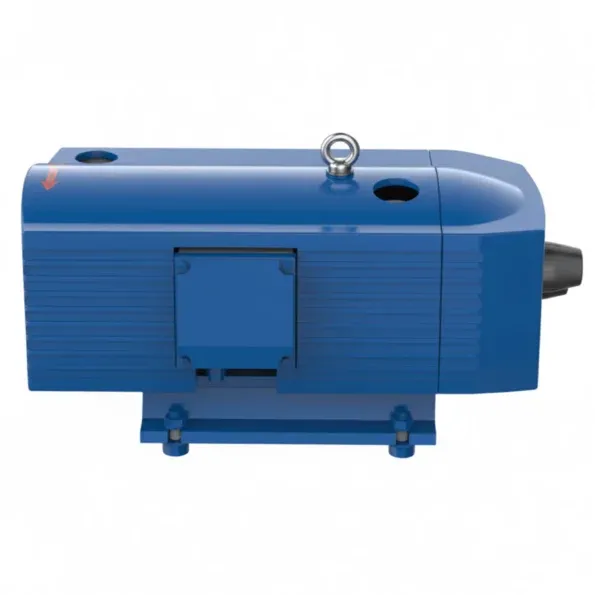

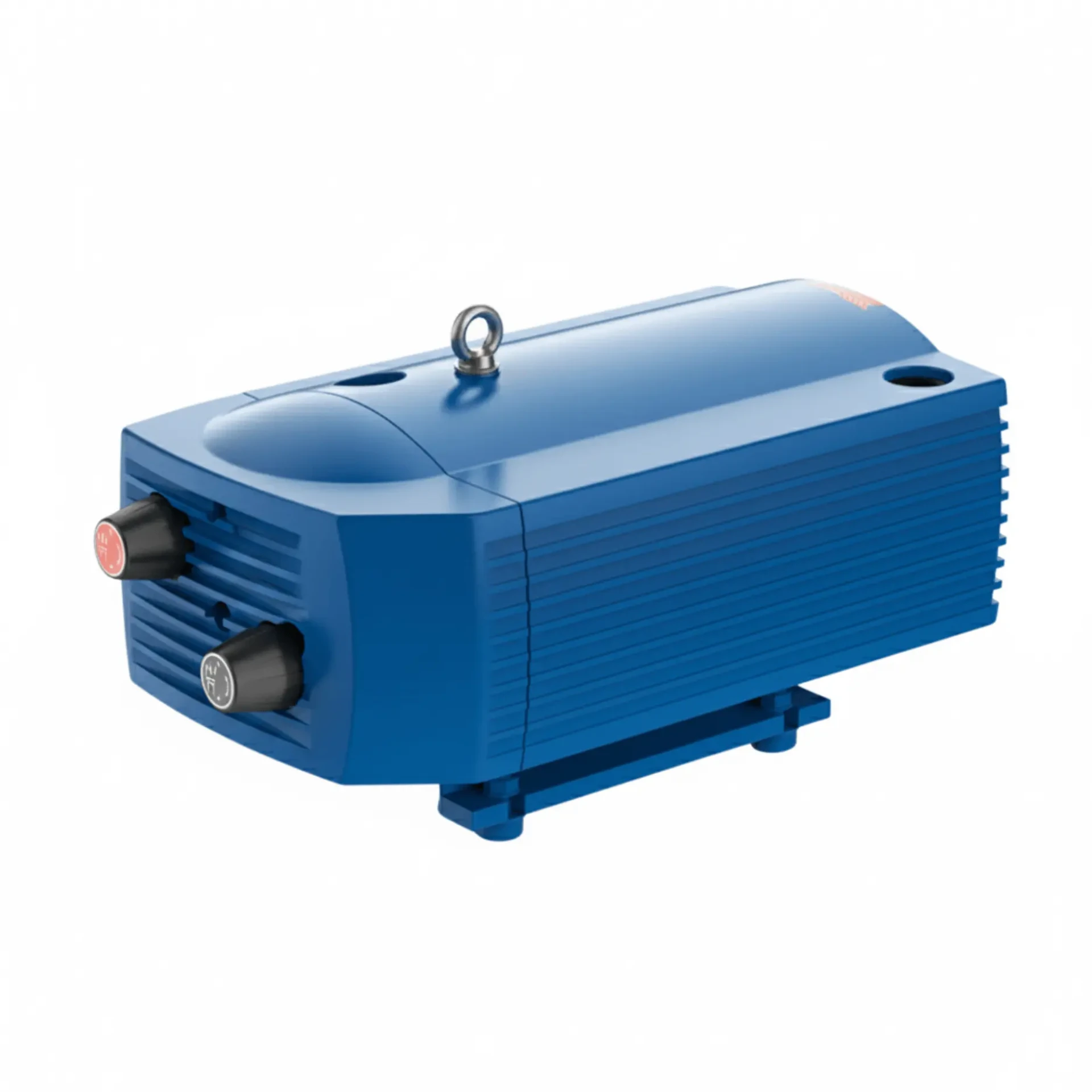
A dry rotary vane pump is one of the most reliable vacuum pumps used across many industries. It creates vacuum without using oil inside the compression chamber. This makes it a clean, low-maintenance, and cost-effective solution for applications where contamination must be avoided.
From packaging and printing to medical equipment and laboratory systems, dry rotary vane pumps provide dependable performance with minimal servicing. Their simple design, energy efficiency, and long operating life make them a preferred choice for businesses that need consistent vacuum generation.
In this guide, you will learn what a dry rotary vane pump is, how it works, its advantages, applications, maintenance tips, and factors to consider before buying one.
What Is a Dry Rotary Vane Pump?
A dry rotary vane pump is a positive displacement vacuum pump that uses rotating vanes to move air or gas from an enclosed chamber. Unlike oil-lubricated rotary vane pumps, it operates without oil inside the pumping chamber.
The vanes are typically made from self-lubricating carbon graphite or composite materials. These vanes slide in and out of slots in the rotor, creating expanding and contracting chambers that continuously draw in and discharge air.
Since no oil comes into contact with the pumped air, the vacuum produced is clean and suitable for sensitive applications.
How Does a Dry Rotary Vane Pump Work?
The working principle of a dry rotary vane pump is simple yet highly effective.
Step 1: Air Intake
As the rotor turns inside the pump housing, centrifugal force pushes the vanes outward. This creates expanding chambers that draw air into the pump.
Step 2: Air Compression
The rotating vanes trap the incoming air. As the rotor continues to rotate, the chamber size decreases, compressing the trapped air.
Step 3: Air Discharge
The compressed air is pushed through the exhaust port and released into the atmosphere.
This continuous cycle creates a steady vacuum while keeping the compression chamber completely oil-free.
Main Components of a Dry Rotary Vane Pump
A dry rotary vane pump consists of several essential parts that work together efficiently.
Rotor
The rotating component that drives the pumping action.
Vanes
Sliding carbon vanes create sealed chambers during rotation.
Pump Housing
The outer casing where the rotor rotates.
Inlet Port
Allows air or gas to enter the pump.
Exhaust Port
Releases compressed air from the pump.
Bearings
Support smooth rotor movement.
Cooling System
Prevents overheating during continuous operation.
Key Features of a Dry Rotary Vane Pump
Modern dry rotary vane pumps offer several useful features.
- Oil-free compression
- Compact design
- Low maintenance
- Quiet operation
- Continuous duty capability
- Reliable vacuum performance
- Energy-efficient operation
- Long service life
- Clean exhaust air
- Easy installation
These features make them suitable for industries that require dependable vacuum generation.
Advantages of Using a Dry Rotary Vane Pump
Clean Vacuum Production
Since there is no oil inside the compression chamber, the vacuum remains free from oil contamination.
This makes the pump ideal for medical, food, pharmaceutical, and laboratory applications.
Low Maintenance
Dry rotary vane pumps eliminate the need for oil changes, oil filters, and oil disposal.
Maintenance mainly involves checking and replacing carbon vanes after extended use.
Lower Operating Costs
Without oil-related maintenance, businesses save money on:
- Lubricants
- Oil filters
- Waste oil disposal
- Maintenance downtime
Environmentally Friendly
Oil-free operation reduces environmental pollution and simplifies waste management.
Compact Size
Most dry rotary vane pumps are lightweight and compact, allowing easy installation even where space is limited.
Quiet Operation
Advanced pump designs minimise vibration and noise, creating a more comfortable working environment.
Reliable Performance
These pumps are designed for continuous operation while maintaining stable vacuum levels.
Applications of Dry Rotary Vane Pumps
Dry rotary vane pumps are widely used in numerous industries.
Packaging Industry
Used for:
- Vacuum packaging
- Food sealing
- Thermoforming
- Vacuum lifting
Medical Industry
Ideal for:
- Dental equipment
- Hospital vacuum systems
- Laboratory instruments
- Medical suction devices
Printing Industry
Provides vacuum for:
- Paper handling
- Sheet feeding
- Printing presses
- Binding machines
Woodworking Industry
Used for:
- CNC routing
- Vacuum clamping
- Material handling
Electronics Manufacturing
Suitable for:
- Pick-and-place machines
- PCB production
- Semiconductor handling
Food Processing
Commonly used in:
- Food packaging
- Vacuum sealing
- Material transfer
Laboratory Applications
Provides clean vacuum for:
- Filtration
- Sample preparation
- Vacuum drying
- Analytical instruments
Plastic Industry
Supports:
- Vacuum moulding
- Material conveying
- Packaging systems
Maintenance Tips
Although dry rotary vane pumps require less maintenance, regular inspection helps maximise performance.
Inspect Carbon Vanes
Check vane wear regularly and replace them when necessary.
Keep Air Filters Clean
Dirty filters reduce airflow and decrease efficiency.
Monitor Operating Temperature
Ensure adequate ventilation around the pump.
Check Bearings
Inspect bearings periodically for wear or unusual noise.
Clean Cooling Fans
Dust buildup can reduce cooling efficiency.
Inspect Vacuum Lines
Leaks reduce overall pump performance.
Follow Manufacturer Guidelines
Always follow recommended service intervals.
Conclusion
A dry rotary vane pump is an efficient and dependable vacuum solution for industries that require clean, oil-free operation. Its low maintenance requirements, energy-efficient performance, compact design, and long service life make it a valuable investment for many applications.
Choosing the right pump involves considering factors such as vacuum level, pumping speed, duty cycle, and application requirements. With proper maintenance and correct selection, a dry rotary vane pump can provide years of consistent and reliable performance.



























Sign in to leave a comment.