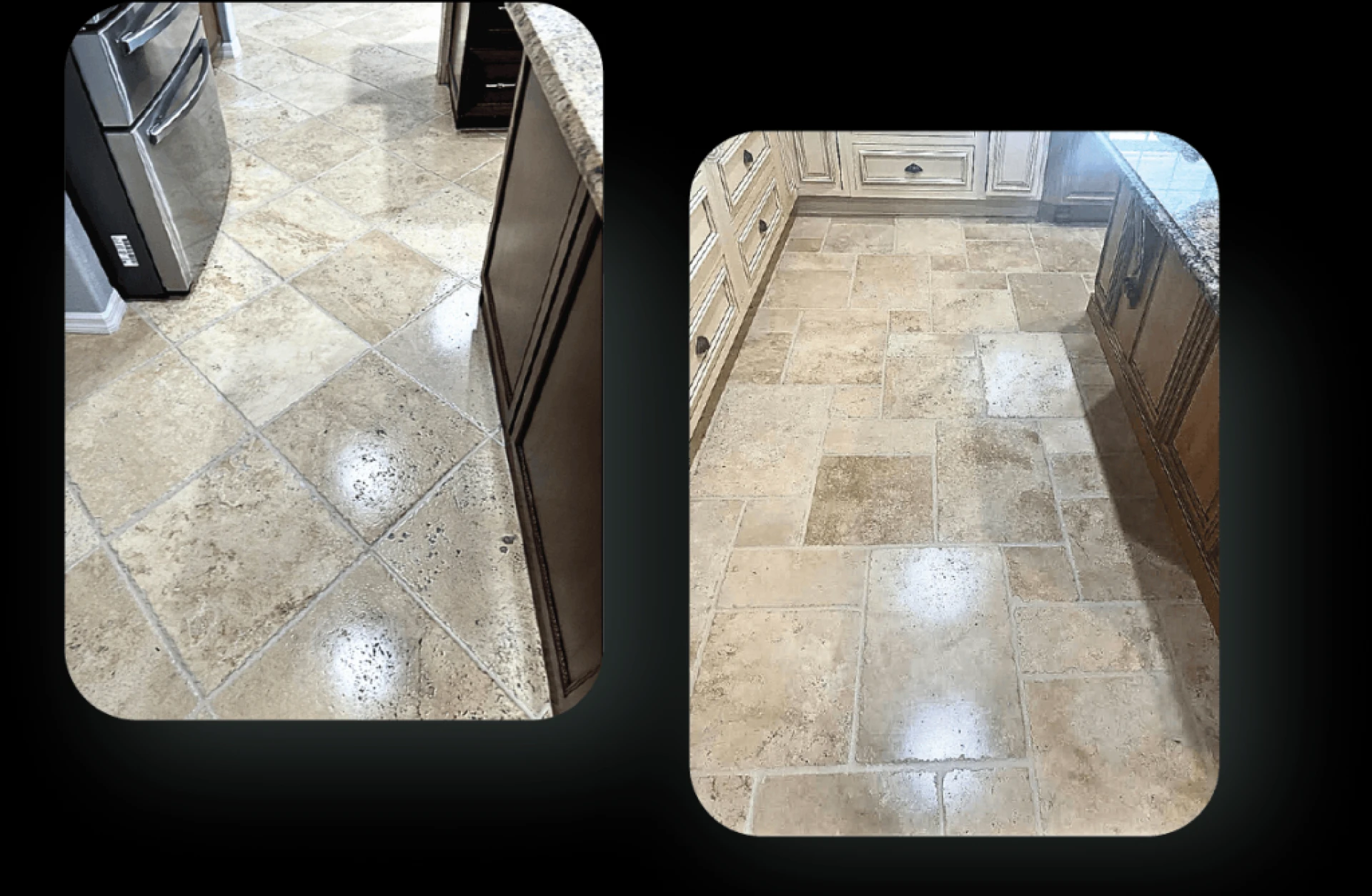

Tiles are widely used in homes and commercial buildings because of their durability, aesthetic appeal, and easy maintenance. However, even the strongest tiles can crack, loosen, or lose their shine over time due to heavy foot traffic, moisture exposure, or structural movement. Traditional repair methods often require removing entire sections of flooring or walls, which can be costly and time-consuming. Dynamic tile repair has emerged as a modern solution that focuses on efficient, targeted restoration without extensive demolition.
Dynamic tile repair refers to a flexible and adaptive repair process designed to address tile damage quickly while preserving the surrounding structure. Instead of replacing large areas, technicians evaluate the exact cause of the damage and apply specialized techniques to restore the affected tiles. This approach reduces waste, lowers labor costs, and significantly shortens repair time.
One of the key advantages of dynamic tile repair is its precision. Technicians use advanced tools to carefully remove damaged grout, lift cracked tiles, or inject bonding compounds beneath loose tiles. This allows the repair to focus only on the specific problem area. In many cases, a single tile can be replaced without disturbing the rest of the installation. As a result, homeowners and property managers avoid the inconvenience of large-scale renovations.
Another important aspect of dynamic tile repair is the use of modern materials. High-strength adhesives, flexible grout compounds, and moisture-resistant sealants help ensure the repaired area remains durable and stable. These materials are designed to accommodate small structural shifts and temperature changes, reducing the risk of future cracking or loosening.
The repair process typically begins with a thorough inspection. Professionals assess the condition of the tile surface, grout lines, and underlying substrate. Cracks may indicate structural stress, while loose tiles often suggest weakened adhesive or water damage beneath the surface. Once the cause is identified, technicians select the most appropriate repair technique.
For cracked tiles, the damaged piece is usually removed carefully to avoid affecting adjacent tiles. The underlying surface is cleaned and leveled before a replacement tile is installed with high-bond adhesive. If the original tile is no longer available, a closely matched alternative can be used to maintain visual consistency.
Loose tiles, on the other hand, may not need to be removed completely. In some cases, technicians drill a small hole into the grout line and inject a bonding agent beneath the tile. This fills empty spaces under the tile and restores its stability without lifting it from the surface. This method is particularly useful for large floor areas where removing tiles would be disruptive.
Grout deterioration is another common issue addressed by dynamic tile repair. Over time, grout can crack, discolor, or crumble due to moisture and cleaning chemicals. Repair involves removing damaged grout and applying a fresh, reinforced grout mixture. A protective sealant is then applied to prevent moisture penetration and staining.
Dynamic tile repair is especially valuable in high-traffic environments such as kitchens, bathrooms, commercial lobbies, and retail spaces. Because the repair process is faster and less invasive, businesses can resume normal operations sooner. Homeowners also benefit from minimal disruption and lower repair costs compared to full tile replacement.
Preventive maintenance plays a role in maximizing the effectiveness of dynamic tile repair. Regular cleaning, prompt attention to minor cracks, and proper sealing of grout lines can extend the lifespan of tiled surfaces. By addressing small problems early, property owners can prevent more serious structural damage.
In conclusion, dynamic tile repair offers a practical and efficient alternative to traditional tile replacement. By focusing on precise repairs, advanced materials, and minimal disruption, this method restores the strength and appearance of tiled surfaces while saving time and resources. As repair technologies continue to evolve, dynamic tile repair is becoming an increasingly popular choice for maintaining both residential and commercial tile installations. For more information about our corporate services, click here https://dynamictilerepair.com/.

























Sign in to leave a comment.