

Tiles are a fundamental part of modern construction and interior design, providing both durability and aesthetic appeal to floors, walls, and other surfaces. However, over time, tiles can crack, chip, or loosen due to wear and tear, structural shifts, or environmental factors. Traditional tile replacement often involves removing entire sections, which can be time-consuming, costly, and disruptive. This is where dynamic tile repair has emerged as an innovative solution, offering precision, efficiency, and long-lasting results.
Dynamic tile repair is a specialized process that focuses on fixing damaged tiles without the need for extensive demolition. Instead of removing surrounding tiles, this technique targets only the affected areas, minimizing disruption and preserving the integrity of the existing installation. The approach combines advanced materials and precise methods to restore tiles to their original condition or improve their durability.
One of the core advantages of dynamic tile repair is its efficiency. Traditional tile replacement often requires removing grout, breaking tiles, and cleaning up debris before new tiles can be installed. Dynamic repair, however, uses techniques such as epoxy injection, resin filling, or adhesive bonding to repair cracks and chips directly. This not only reduces labor time but also limits dust, noise, and waste, making it particularly suitable for occupied homes or commercial spaces.
Another key benefit is cost-effectiveness. Replacing entire tiles or sections can be expensive, especially if the tiles are custom-designed or difficult to match. Dynamic tile repair allows for selective restoration, addressing only the damaged areas. This targeted approach reduces material costs while maintaining a seamless appearance. Modern repair materials are often designed to match the original tile’s color, texture, and finish, ensuring that repaired tiles blend in naturally with the surrounding surface.
Dynamic tile repair is also environmentally friendly. By repairing instead of replacing, less construction waste ends up in landfills, and fewer raw materials are required. This contributes to sustainable building practices and reduces the overall environmental footprint of construction or renovation projects.
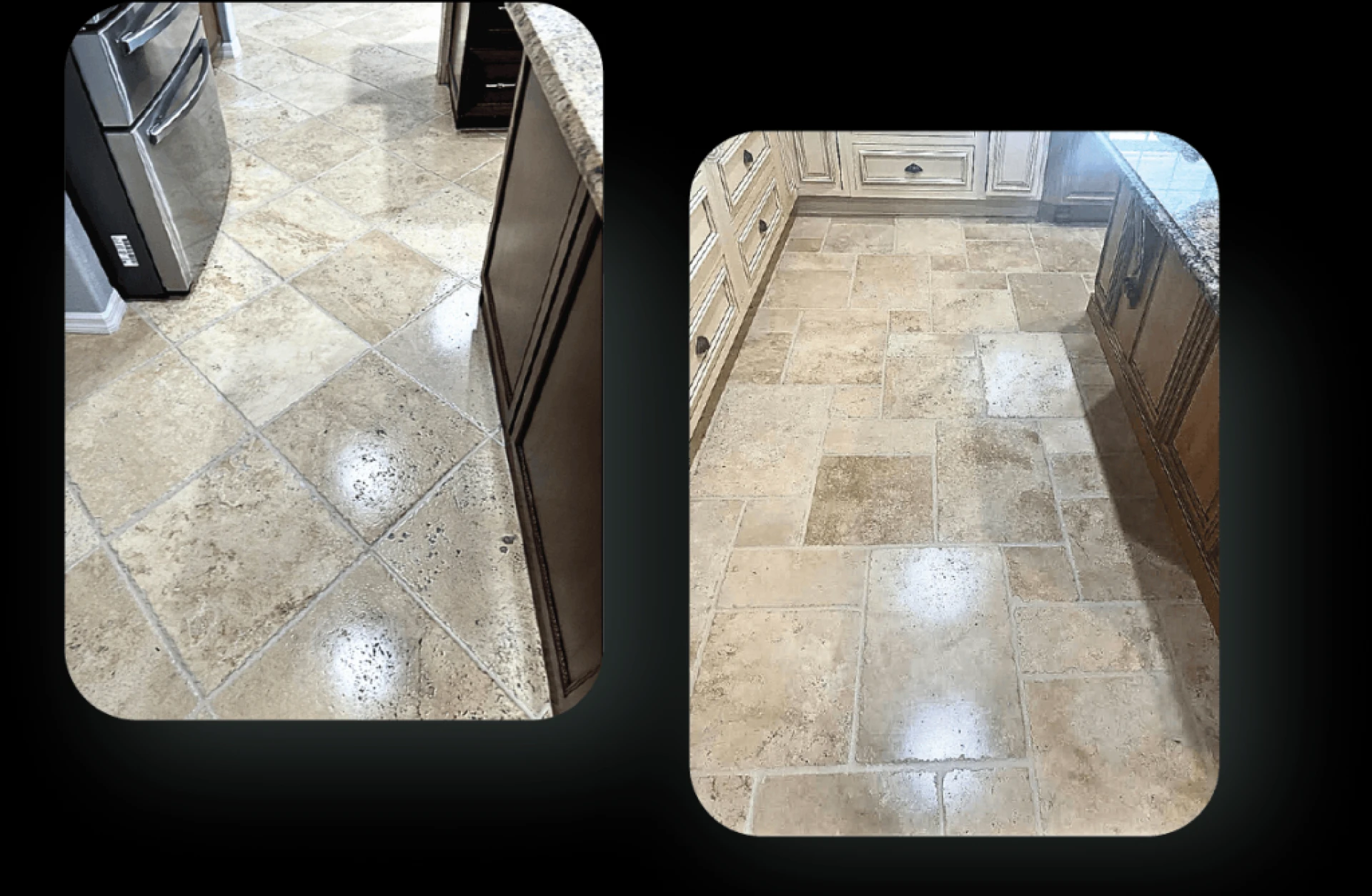
The process itself typically begins with a thorough assessment of the tile and surrounding surface. Professionals identify the type of damage whether it’s hairline cracks, deep fractures, chips, or loose tiles and choose the most suitable repair method. Surface preparation is crucial, ensuring that repair materials adhere properly. Once the repair is applied, it is often polished or sealed to restore the tile’s appearance and enhance its durability.
Dynamic tile repair is not only practical but also versatile. It can be applied to a variety of tile types, including ceramic, porcelain, natural stone, and even mosaic tiles. This adaptability makes it an ideal solution for both residential and commercial projects, from kitchens and bathrooms to office spaces and public buildings.
In conclusion, dynamic tile repair represents a modern approach to maintaining and restoring tiled surfaces. By focusing on efficiency, cost-effectiveness, and sustainability, it allows property owners to address damage quickly and effectively without compromising the overall design. As the demand for durable and environmentally responsible building solutions grows, dynamic tile repair is set to become an essential part of construction and renovation strategies, ensuring that tiled surfaces remain functional and visually appealing for years to come. Visit today for great deals and service, click here.



























Sign in to leave a comment.