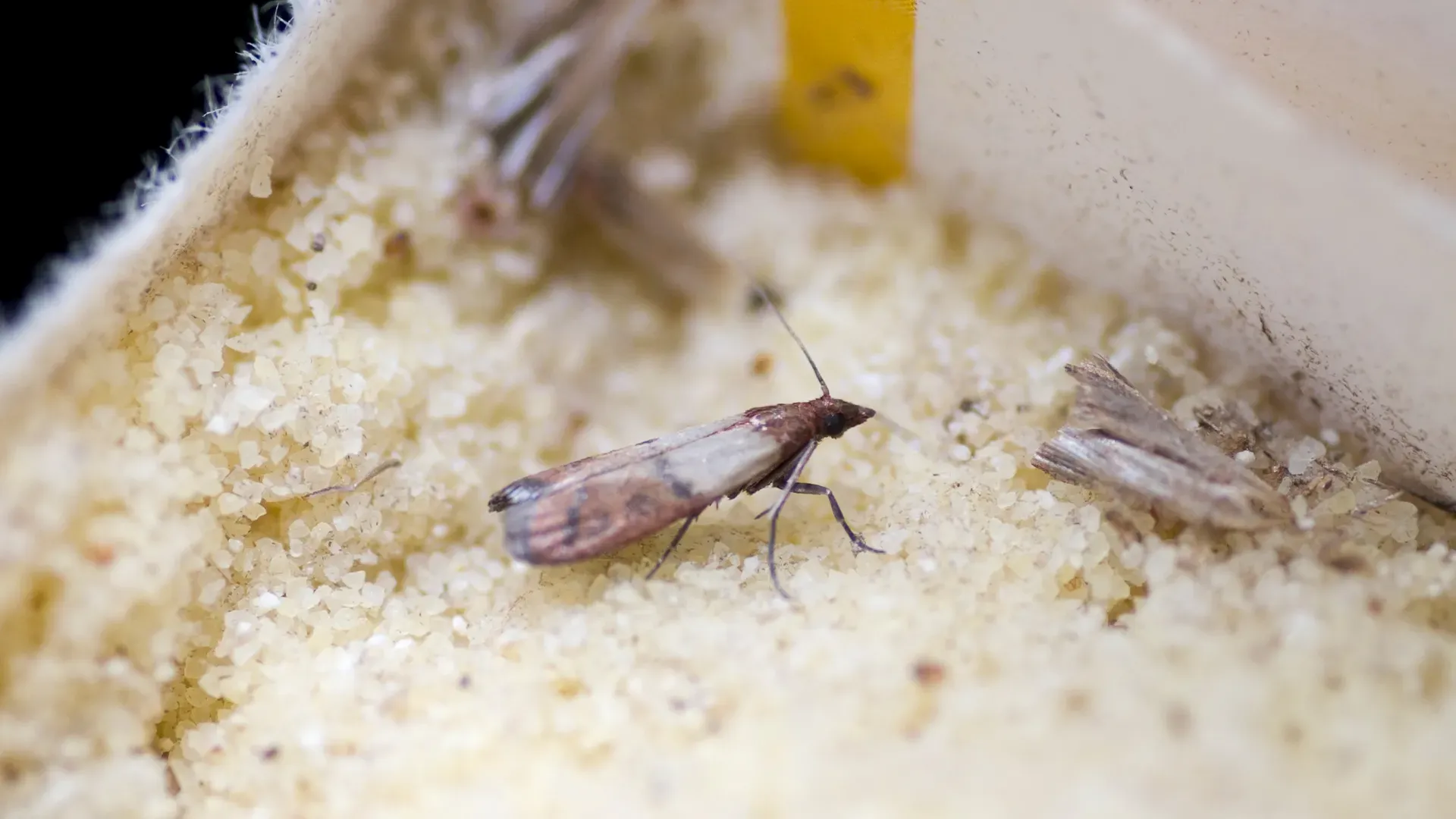

Moths may look harmless, but they can create serious problems inside a home. These small insects damage clothes, carpets, furniture fabrics, and even stored food. Many homeowners notice the issue only after seeing holes in expensive clothing or finding insects inside kitchen cabinets. A moth infestation can grow quickly if ignored. That is why early action is important for keeping your living space clean and protected.
Many people try simple home remedies at first, but moth problems often return because eggs and larvae stay hidden in dark areas. Professional treatment and good prevention methods can help stop the infestation completely. Understanding how moths enter homes and what attracts them is the first step toward long term protection.
Understanding Moth Problems in Homes
Moths are common household pests that survive in dark and quiet places. They prefer areas with limited airflow and easy access to food or fabric materials. Some moth species feed on natural fibers such as wool, silk, and cotton. Others target dry food products stored in kitchens and pantries.
The biggest issue is not usually the adult moth. The real damage comes from larvae. These tiny worms feed constantly and destroy materials over time. Many people notice the infestation only after major damage has already happened.
Homes with cluttered closets, humid basements, or poorly sealed food containers are more likely to attract moth activity. Seasonal changes can also increase infestations because insects search for warm indoor spaces during colder months.
Common Signs of a Moth Infestation
It is important to identify the warning signs early before the infestation spreads through the property. Small signs often indicate a larger hidden problem.
One of the most common signs is holes in clothing or blankets. Moths usually target natural fabrics stored for long periods without cleaning. You may also notice webbing or silky tunnels near damaged items.
Flying insects around lights or windows are another warning sign. While adult moths do not always cause damage, they indicate breeding activity nearby. Pantry infestations often leave larvae inside flour, grains, cereals, or pet food containers.
A musty smell inside closets or storage spaces may also point to hidden insect activity. Some people hear slight movement near stored fabrics when infestations become severe.
Why Moths Enter Indoor Spaces
Moths search for safe environments with food, warmth, and moisture. Homes provide perfect conditions for their survival. Dark closets and storage boxes offer protection from outside weather and predators.
Dirty clothing is another major attraction. Sweat, body oils, and food stains left on fabrics attract larvae. Unwashed blankets and winter clothing stored for long periods can become easy feeding areas.
Kitchen moths are attracted to dry food products. Open packages or loose food crumbs create ideal breeding conditions. Once moths enter cabinets, they spread quickly through nearby containers.
Humidity also plays a role in infestation growth. Damp basements, laundry rooms, and storage areas help insects survive longer. Poor ventilation increases the risk of repeated pest activity.
Types of Moths Commonly Found Indoors
Different moth species create different problems inside homes. Understanding these types helps homeowners choose the right solution.
Clothes Moths
Clothes moths are among the most destructive indoor insects. They feed on wool, cashmere, fur, and other natural fibers. These pests usually stay hidden in closets, storage bins, and carpets. Damage appears as irregular holes in fabrics.
Pantry Moths
Pantry moths infest dry food products. They often enter homes through contaminated grocery items. Once inside, they spread rapidly into cereals, flour, rice, seeds, and pet food. Webbing inside food containers is a common sign of infestation.
Carpet Moths
Carpet moths target rugs, carpets, and upholstered furniture. They prefer quiet areas under furniture or near walls where people rarely clean. Larvae slowly destroy fibers and create visible patches of damage.
The Importance of Professional Moth Removal
Many homeowners attempt to remove moths using sprays or traps purchased from stores. While these methods may reduce visible insects, they rarely eliminate the entire infestation. Eggs and larvae often survive in hidden spaces and continue breeding.
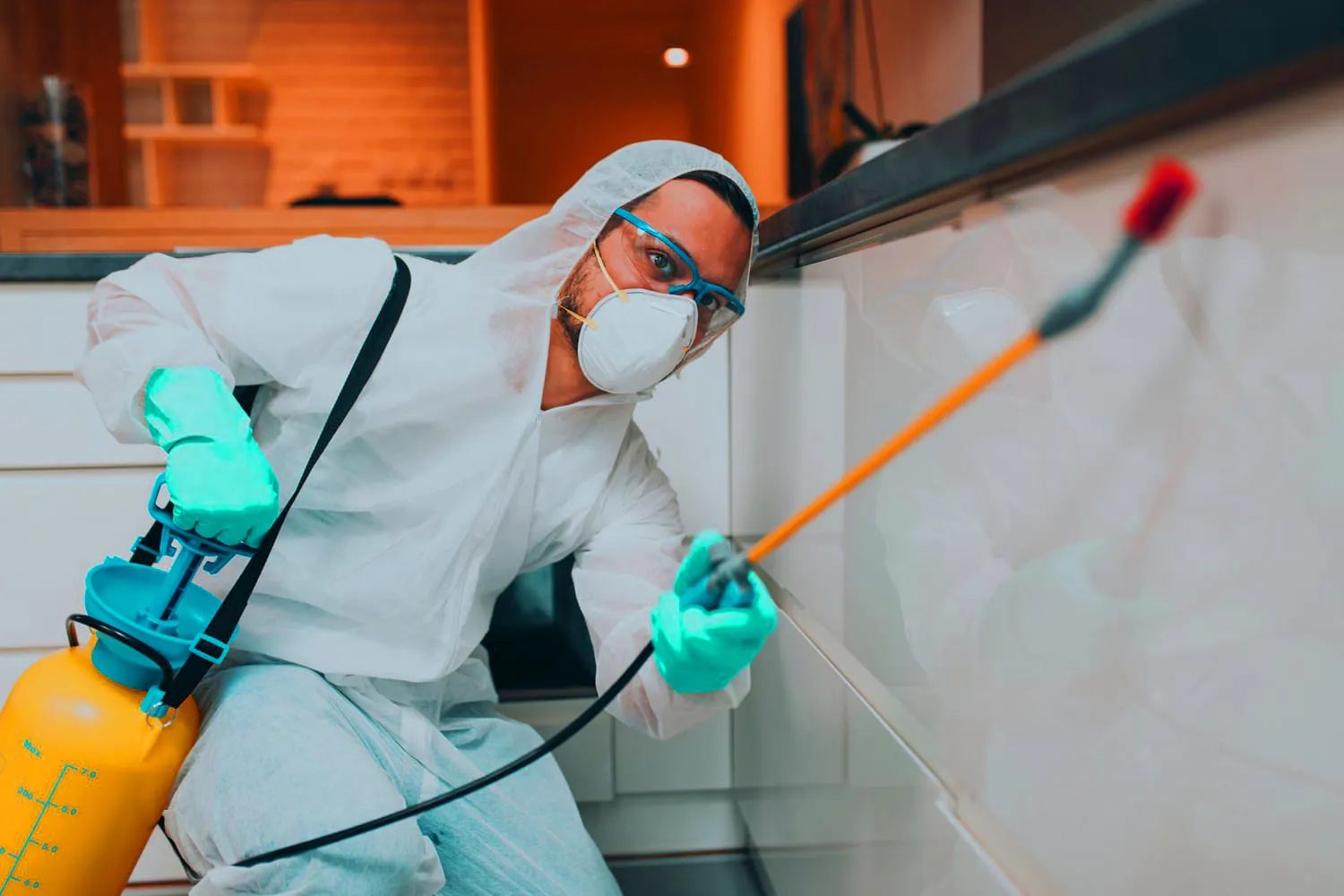
Professional treatment focuses on identifying the source of the infestation. Experts inspect closets, furniture, storage spaces, carpets, and kitchen areas to locate active breeding spots. This approach allows more effective treatment and long term results.
Specialized solutions are also safer for delicate fabrics and indoor environments. Professionals understand how to target pests without causing unnecessary damage to household belongings.
Complete inspection and treatment are especially important when infestations affect multiple rooms. Without proper removal, moths can return within weeks.
Safe and Effective Treatment Methods
Modern pest treatment methods focus on safety and long term prevention. Different approaches are used depending on the severity of the infestation and the moth species involved.
Inspection is usually the first step. Technicians identify damaged areas, breeding locations, and possible entry points. This helps create a targeted treatment plan.
Vacuuming and deep cleaning are important parts of the process. Removing larvae, eggs, and dust reduces the chances of future activity. Professional steam cleaning may also help treat carpets and upholstery.
Specialized insect control products are sometimes used in affected areas. These treatments target hidden insects while remaining safe for household use when applied correctly.
Monitoring systems may also be placed in problem areas to track future activity. This helps prevent reinfestation and supports long term control.
Preventing Future Infestations
Prevention is one of the best ways to keep homes free from moth problems. Simple habits can reduce the chances of another infestation.
Regular cleaning is very important. Vacuuming carpets, closets, and storage spaces removes eggs and larvae before they spread. Deep cleaning should focus on dark corners and areas under furniture.
Clothing should always be washed before storage. Clean fabrics are less attractive to insects. Airtight containers and sealed garment bags offer added protection for seasonal clothing.
Kitchen products should also be stored carefully. Use sealed containers for grains, cereals, flour, and pet food. Inspect grocery items before placing them in cabinets.
Reducing humidity inside the home can also help. Proper ventilation and moisture control make indoor spaces less comfortable for pests. Basements and storage rooms should remain dry and clean.
How Moth Damage Affects Homes
Many people underestimate the financial impact of moth infestations. Damage to expensive clothing, carpets, and upholstery can become costly over time. Antique fabrics and valuable rugs are especially vulnerable.
Food contamination is another serious issue. Pantry moths make stored products unsafe for consumption. Infested items usually need to be thrown away to stop further spreading.
Large infestations can also create stress for homeowners. Repeated insect sightings often affect comfort and cleanliness inside the home. Quick treatment helps restore peace of mind and prevents larger problems.
Benefits of Hiring Experienced Pest Specialists
Professional pest specialists offer several advantages compared to temporary home solutions. They understand insect behavior and use proven methods for complete removal.
Experts can identify hidden infestations that homeowners may miss. This includes larvae inside walls, carpets, furniture, or storage spaces. Early detection reduces property damage and lowers treatment costs.
Professionals also provide customized prevention advice based on the condition of the property. This helps homeowners maintain long term protection against future infestations.
Reliable treatment plans focus on safety for families and pets while delivering effective results. Long term monitoring and follow up support may also help prevent recurring issues.
Creating a Healthier Living Environment
A clean and pest free home supports better comfort and hygiene. Moth prevention is not only about protecting fabrics and food. It also improves indoor cleanliness and reduces hidden insect activity.
Simple maintenance habits make a major difference over time. Regular inspections, organized storage, and quick cleaning reduce the chances of future pest issues. Homeowners who act early often avoid expensive repairs and replacement costs.
When infestations become difficult to manage, professional assistance provides a safer and more effective solution. Many homeowners trust My Pest Exterminator for reliable support and practical solutions that help protect homes from ongoing moth activity.
Frequently Asked Questions
What causes moth infestations in homes?
Moths are attracted to dark areas, natural fabrics, stored food products, and humid environments. Dirty clothing and open food containers increase the risk of infestation.
Can moths damage carpets and furniture?
Yes. Certain moth species feed on carpet fibers, upholstery, and fabric materials. Over time this creates holes and permanent damage.
How long does professional treatment take?
Treatment time depends on the severity of the infestation. Smaller problems may require one visit while larger infestations may need ongoing monitoring.
Are moth treatments safe for pets and children?
Professional treatments are usually designed to be safe when applied correctly. Experts follow safety guidelines to reduce risks inside the home.
How can I prevent moths from returning?
Regular cleaning, proper storage, sealed food containers, and reducing indoor humidity are effective ways to prevent future infestations.























Sign in to leave a comment.