

Chronic pain management is one of the most complex and resource-intensive challenges healthcare providers face today. Unlike acute conditions, chronic pain requires longitudinal care, coordination across multiple specialties, continuous patient engagement, and consistent outcome tracking over months or years.
Yet many chronic pain programs still operate on fragmented systems—where EHRs, therapy tools, medication records, and remote monitoring platforms function in silos. This lack of integration directly impacts care quality, clinician efficiency, and patient outcomes.
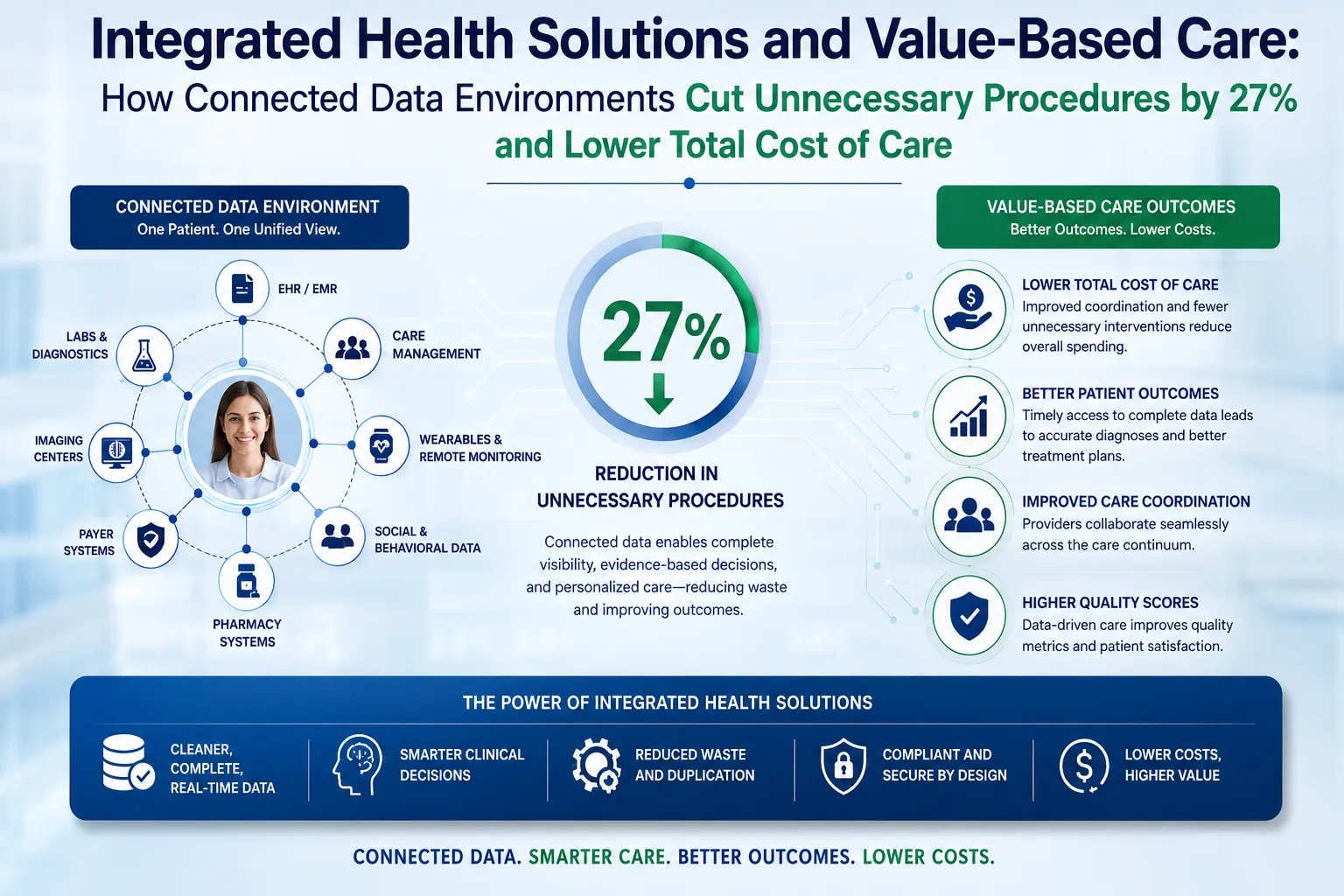
EHR-integrated chronic pain management software addresses this gap by creating a unified, interoperable care ecosystem, enabling providers to deliver coordinated, data-driven pain care at scale.
Why Integration Is a Major Barrier in Pain Management Programs
Despite increased adoption of digital health tools, integration remains the single biggest obstacle to effective chronic pain management. Pain care typically involves physicians, physical therapists, behavioral health specialists, pharmacists, and care coordinators—each using different systems and workflows.
Without seamless integration, even advanced pain management initiatives struggle to deliver consistent outcomes.
Siloed Clinical and Therapy Data
Chronic pain management relies on a combination of clinical data, therapy progress, behavioral insights, and patient-reported outcomes. In many healthcare settings:
- EHRs store diagnoses, medications, and clinical notes
- Physical therapy platforms track functional improvement
- Behavioral health tools capture mood, stress, and coping patterns
- RPM systems collect pain scores and activity data
When these systems are not integrated, clinicians lack a holistic view of the patient’s pain journey. Decisions are made in isolation, leading to fragmented treatment plans and missed intervention opportunities.
Integrated chronic pain management software consolidates these data streams into a single care context, enabling multidisciplinary teams to collaborate effectively.
Manual Documentation and Errors
Disconnected systems force clinicians to rely heavily on manual data entry, duplicating documentation across platforms. This creates several issues:
- Increased administrative burden for already stretched care teams
- Higher risk of documentation errors or incomplete records
- Delays in care decisions due to outdated or missing information
In chronic pain management programs, where small changes in symptoms or adherence can significantly impact outcomes, these inefficiencies directly affect patient care.
EHR-integrated solutions automate data flow between systems, reducing manual effort and improving documentation accuracy.
Incomplete Patient Histories
Chronic pain patients often move between care settings—primary care, specialty clinics, physical therapy centers, and sometimes emergency departments. Without integration:
- Prior pain episodes may not be visible
- Therapy outcomes may not inform medication decisions
- Behavioral health insights may be overlooked
This results in incomplete patient histories, making it difficult to personalize treatment plans or assess what has already worked—or failed.
Integrated chronic pain management platforms ensure continuity of information across the entire care continuum.
Integration Capabilities Required for Modern Pain Care
To support coordinated, scalable chronic pain management, integration must go beyond basic data exchange. Modern platforms require standards-based, real-time, and secure interoperability that supports both clinical and operational workflows.
FHIR and HL7-Based Interoperability
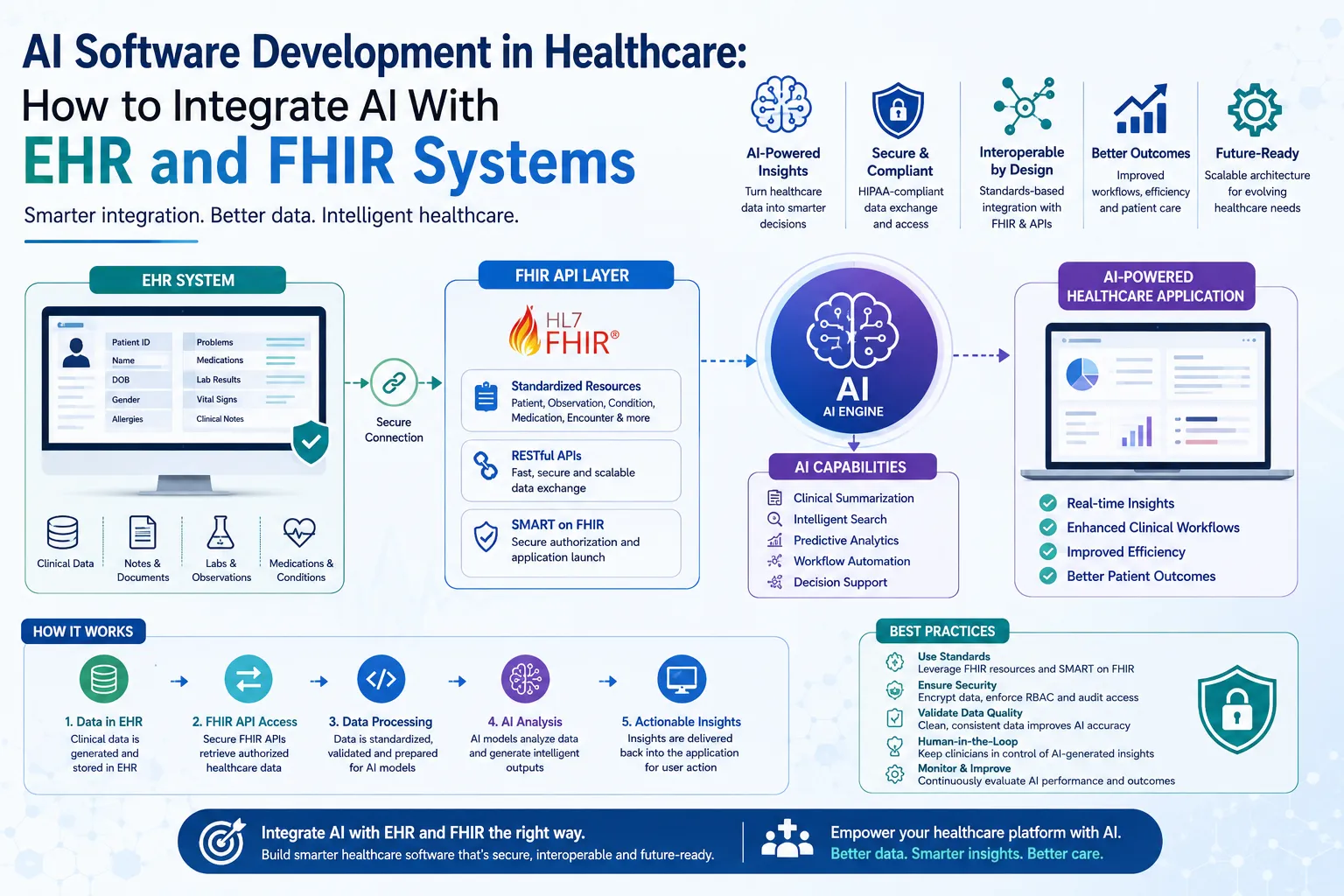
Standards such as FHIR and HL7 form the backbone of modern healthcare integration. For chronic pain management software, these standards enable:
- Seamless exchange of clinical data with EHR systems
- Real-time access to diagnoses, medications, allergies, and care plans
- Easier integration across multiple health systems and vendors
FHIR-based APIs allow pain management platforms to be more flexible, scalable, and future-ready—especially as providers expand digital care models.
From a development standpoint, standards-based interoperability reduces long-term integration costs and avoids vendor lock-in.
Medication, Therapy, and RPM Data Sync
Effective chronic pain management depends on correlating multiple data types:
- Medication adherence and changes
- Physical therapy sessions and progress metrics
- Remote patient monitoring data such as pain scores, activity levels, and sleep patterns
An integrated system synchronizes these data streams in near real time, allowing clinicians to identify trends, adjust treatments proactively, and intervene before pain escalates.
For example, RPM data showing reduced mobility combined with therapy notes and medication changes can signal the need for immediate care plan adjustments.
Unified Clinical Dashboards
Even with integrated data, usability remains critical. Clinicians need role-specific dashboards that present the right information at the right time.
Unified dashboards for chronic pain management typically include:
- Longitudinal pain trends and outcomes
- Medication and therapy timelines
- Alerts for risk escalation or non-adherence
- Shared care plans across disciplines
These dashboards reduce cognitive load, improve clinical decision-making, and support coordinated care delivery across teams.
From a business perspective, unified dashboards also support reporting, quality measurement, and value-based care performance tracking.
Business and Clinical Impact of Integrated Chronic Pain Management Software
EHR-integrated chronic pain management platforms deliver measurable value for healthcare organizations:
- Improved patient outcomes through coordinated, data-driven care
- Reduced clinician burnout by minimizing manual documentation
- Lower operational costs through workflow automation
- Better performance in value-based care models
- Scalable infrastructure for expanding pain management programs
For healthcare leaders, integration is no longer a technical nice-to-have—it is a strategic requirement for sustainable chronic pain care.
Choosing the Right Integration Approach
Healthcare organizations face a key decision: adapt generic tools with limited integration capabilities or invest in custom chronic pain management software designed for interoperability from the ground up.
A custom approach allows organizations to:
- Align integration with existing EHR and IT ecosystems
- Support unique pain management workflows
- Scale across multiple locations or care models
- Future-proof platforms for AI, analytics, and digital therapeutics
Partnering with a healthcare software development company experienced in chronic pain management, interoperability standards, and secure architecture is critical to long-term success.
Final Thoughts
Chronic pain management is inherently complex, but fragmented technology should not make it harder. EHR-integrated chronic pain management software enables providers to move from reactive, disconnected care to coordinated, continuous, and outcome-focused treatment models.
As healthcare shifts toward value-based care and digital-first delivery, integration will define which pain management programs scale successfully—and which struggle to keep up.





























Sign in to leave a comment.