
In the rapidly evolving digital landscape, a captivating online presence is crucial for success. Your website serves as the virtual storefront, and first impressions matter more than ever. To stand out in the crowded online space, it's essential to focus on user interface (UI) and user experience (UX) design strategies that not only attract but also engage visitors. Let's explore some key strategies to elevate your website and create a memorable online experience.
1. Intuitive Navigation:
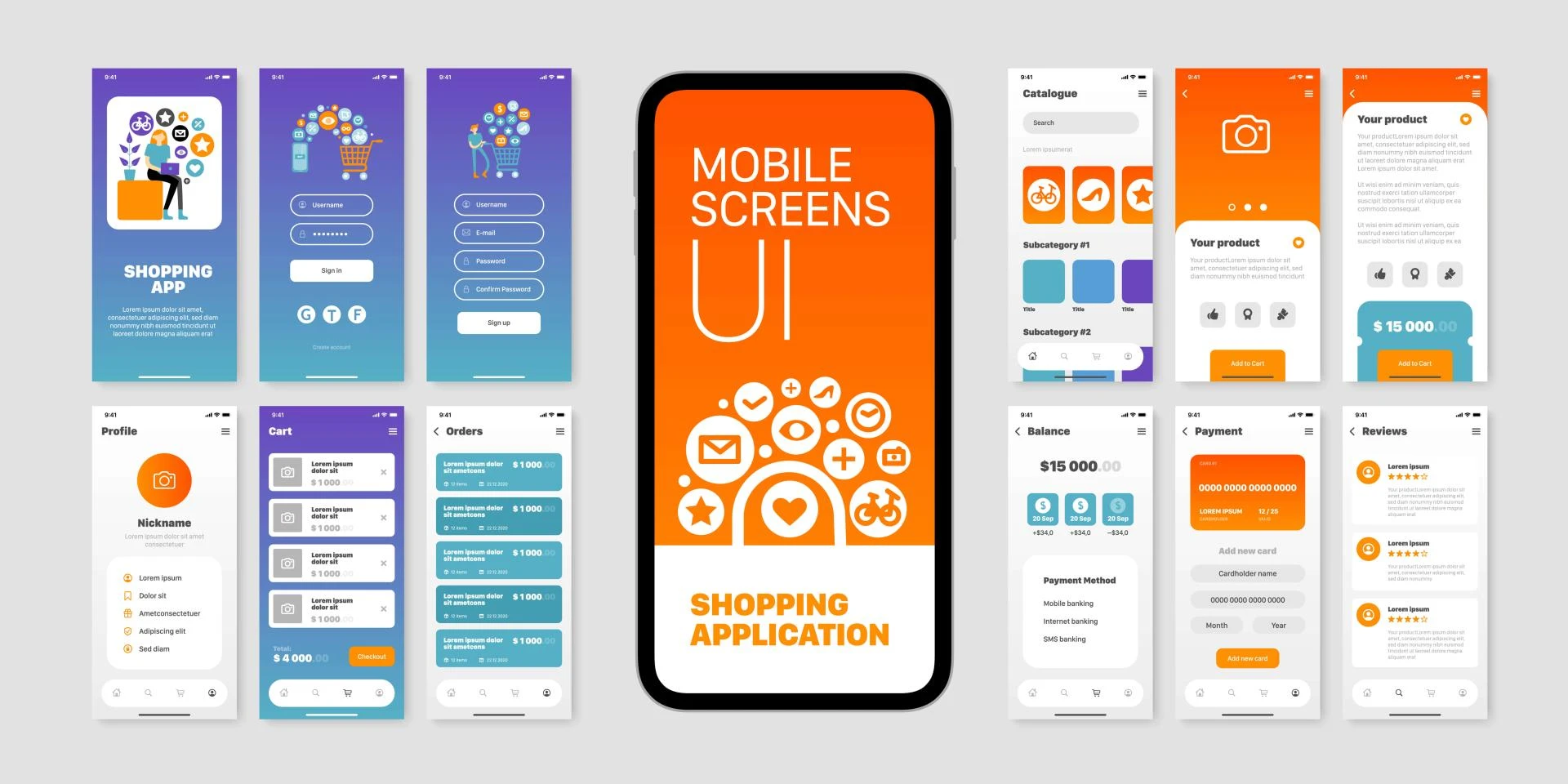
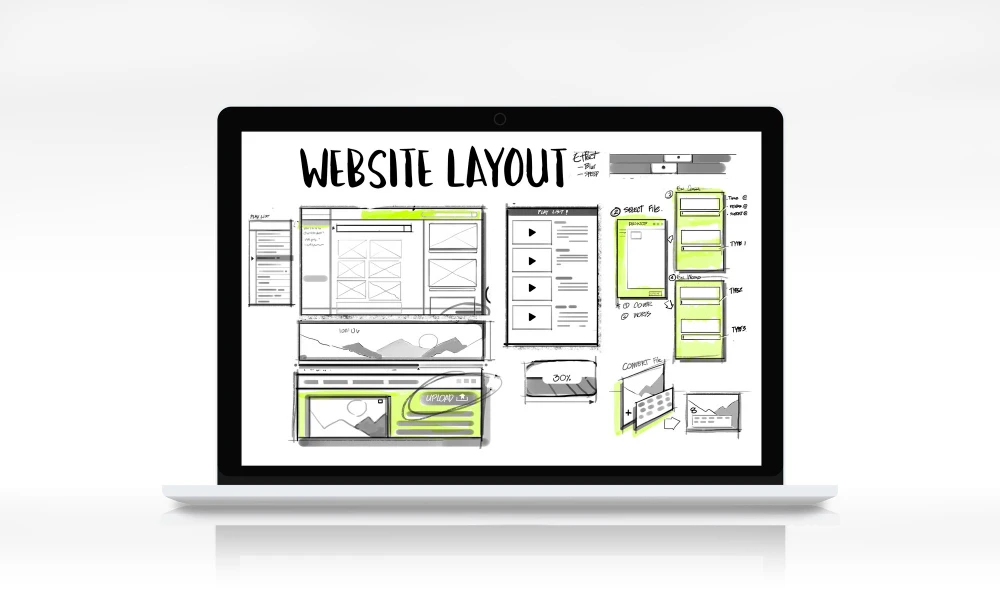
A seamless and intuitive navigation system is the backbone of a user-friendly website. Users should be able to explore your site effortlessly, finding the information they need without frustration. Implement a clear menu structure, logical page hierarchy, and easily accessible search functionality to enhance the overall navigation experience.
2. Mobile Responsiveness:
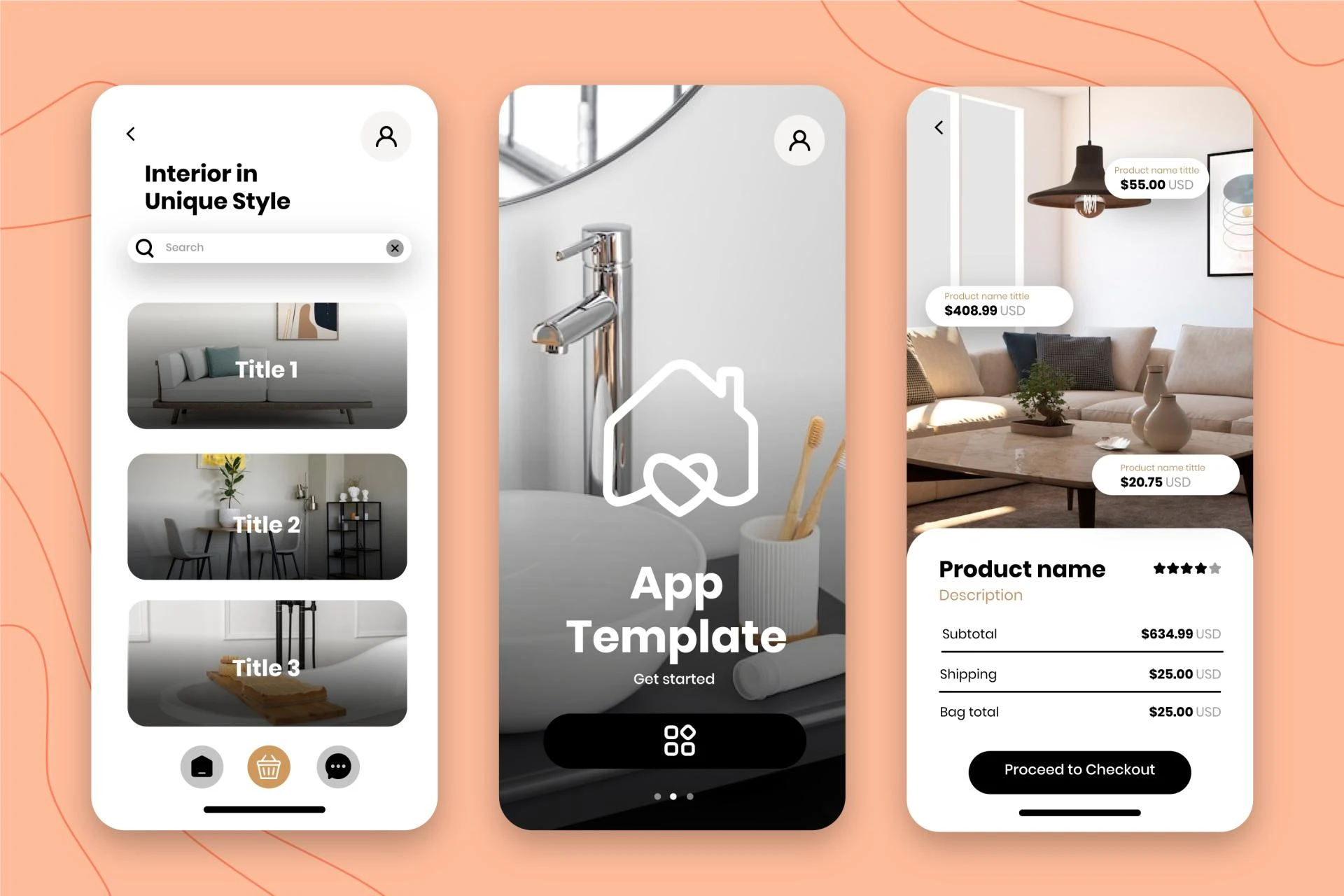
With the increasing use of smartphones, ensuring your website is mobile-responsive is no longer an option but a necessity. Google prioritizes mobile-friendly websites in search rankings, and users expect a consistent experience across devices. Invest in responsive design to adapt your website to various screen sizes, providing a smooth and visually appealing experience for users on smartphones and tablets.
3. Engaging Visual Design:
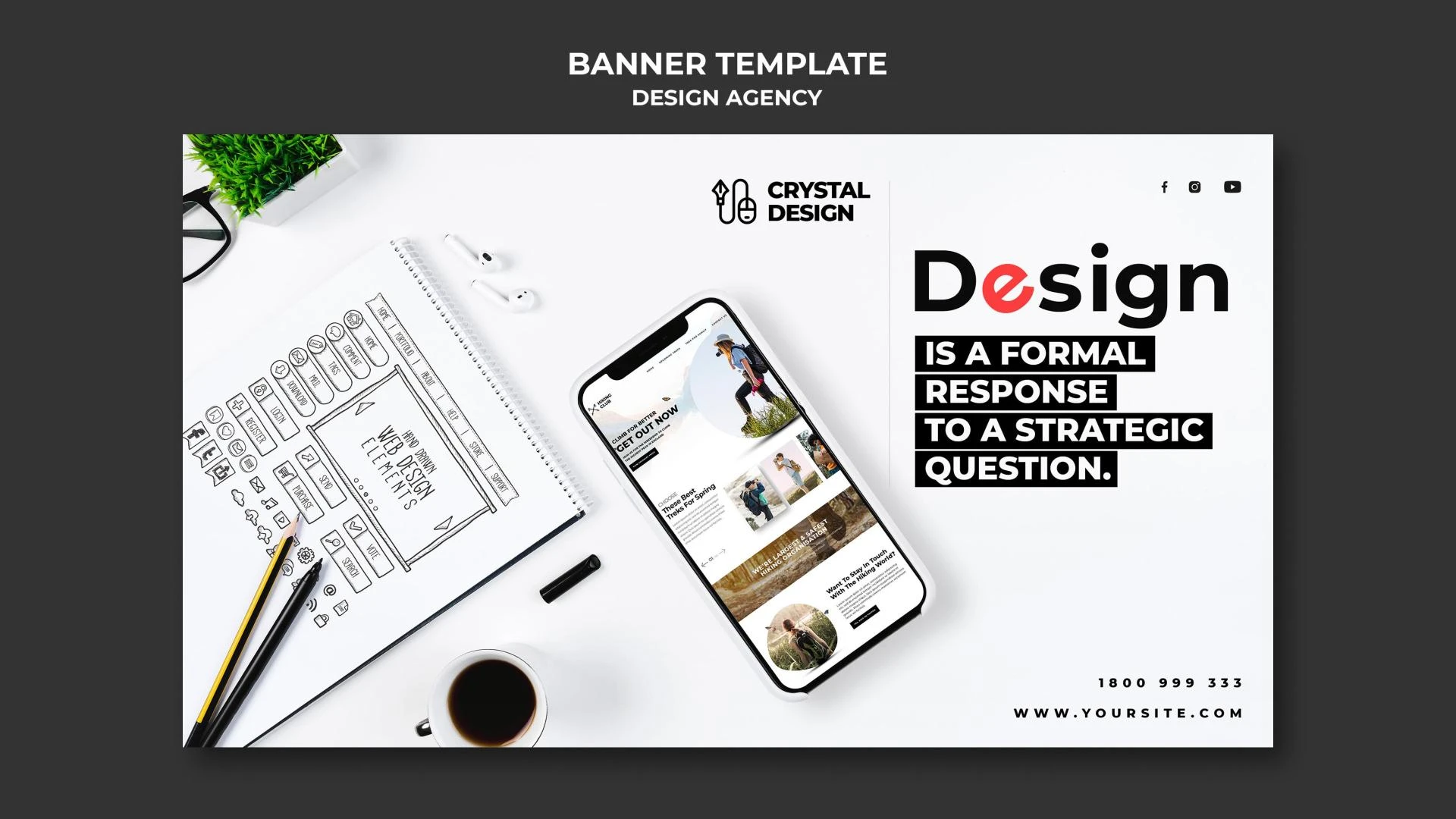
Capture your audience's attention with a visually appealing design that aligns with your brand identity. Utilize high-quality images, relevant graphics, and a cohesive color scheme to create a professional and aesthetically pleasing look. Consistency in design elements helps establish brand recognition and fosters a positive impression.
4. Clear Call-to-Action (CTA):
Guide visitors towards their intended actions by incorporating clear and compelling calls-to-action. Whether it's making a purchase, subscribing to a newsletter, or contacting your team, strategically placed CTAs encourage user interaction. Use contrasting colors and concise, action-oriented language to make your CTAs stand out.
5. Optimized Loading Speed:
In a world where attention spans are short, a slow-loading website can drive visitors away. Optimize your site's loading speed by compressing images, minimizing code, and leveraging browser caching. Tools like Google PageSpeed Insights can help identify areas for improvement, ensuring a swift and responsive website.
6. Personalized User Experience:
Tailor the user experience by implementing personalization elements. Leverage data such as user preferences, browsing history, and location to deliver personalized content and recommendations. Personalization enhances user engagement, making visitors feel valued and understood.
7. Accessibility Features:
A truly inclusive website considers the needs of all users, including those with disabilities. Incorporate accessibility features such as alt text for images, keyboard navigation, and readable font sizes. Ensuring that your website is accessible to everyone not only broadens your audience but also aligns with ethical design practices.
8. Social Media Integration:
Extend your online presence by integrating social media seamlessly into your website. Display social media feeds, enable easy sharing of content, and provide social login options. This not only enhances user engagement but also facilitates the organic spread of your content across different platforms.
Conclusion
Elevating your website's UI/UX is a multifaceted approach that requires attention to detail and a commitment to providing an exceptional online experience. By focusing on intuitive navigation, mobile responsiveness, engaging visual design, clear CTAs, optimized loading speed, personalized user experiences, accessibility, and social media integration, you can create a website that not only captivates but also retains and delights visitors. Keep evolving with the ever-changing digital landscape to stay ahead in the competitive online world.
Visit my Upwork profile for - UI/UX design, Web design & Mobile design



























Sign in to leave a comment.