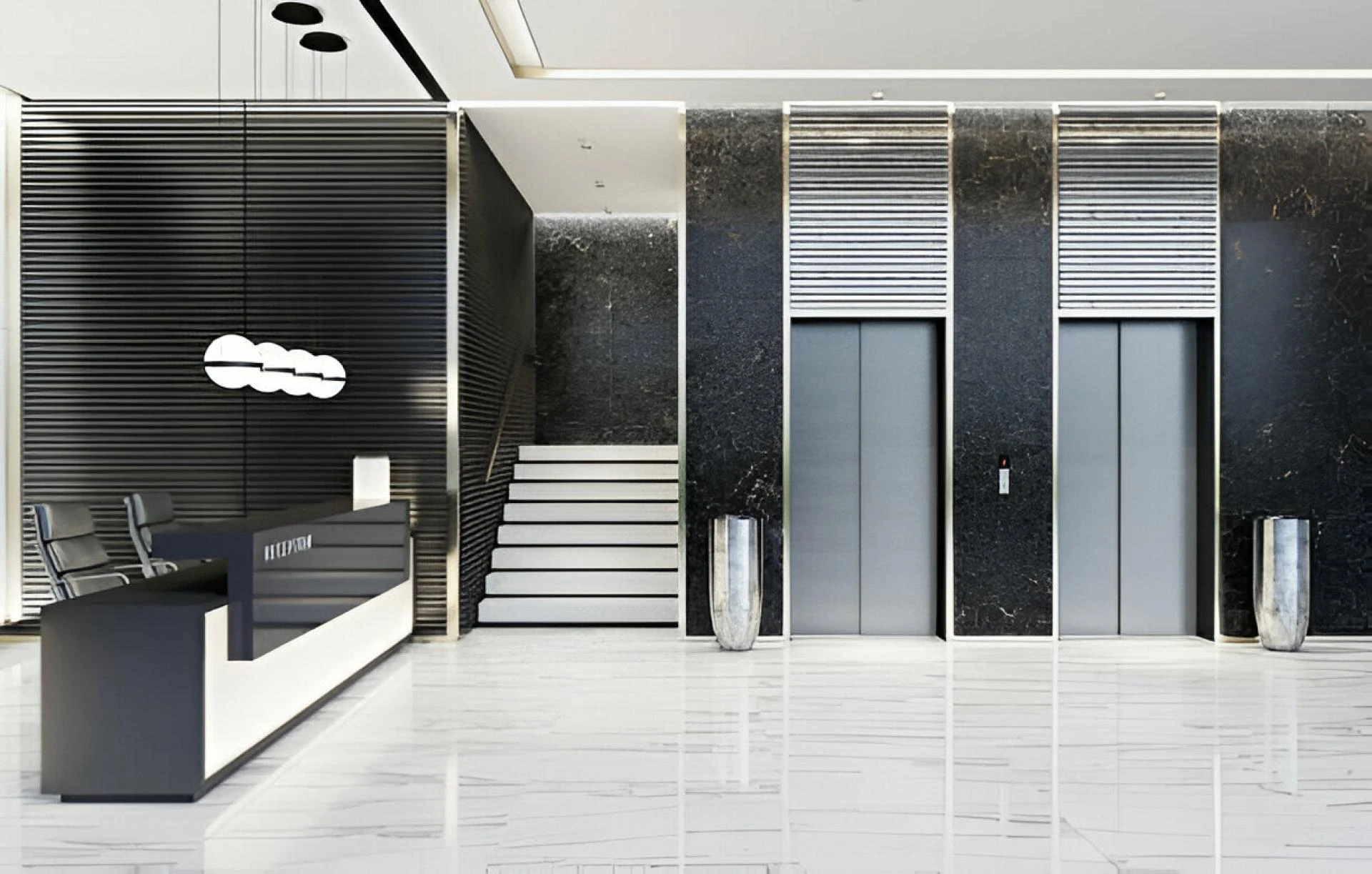

High-rise buildings, whether commercial or residential, face a unique challenge: managing elevator traffic efficiently. With numerous floors and a constant flow of people, ensuring smooth and timely vertical transportation is crucial. This is where elevator traffic analysis comes into play, offering valuable insights that can significantly improve efficiency and enhance the overall experience for occupants and visitors alike.
What is Elevator Traffic Analysis?
Elevator traffic analysis is the process of evaluating the movement patterns, peak times, and usage patterns of elevators within a building. It involves collecting and analyzing data on various factors such as passenger wait times, travel times, and traffic volumes. By understanding these dynamics, elevator consultants can identify bottlenecks, optimize resources, and implement strategies to improve overall performance.
Benefits of Elevator Traffic Analysis:
Reduced Wait Times: By identifying peak periods and adjusting elevator dispatching algorithms, wait times for passengers can be minimized, leading to improved satisfaction and productivity.Efficient Resource Allocation: Traffic analysis helps determine the appropriate number of elevators required, their capacity, and their placement within the building, ensuring optimal resource utilization.Energy Savings: Optimized elevator systems can result in significant energy savings by reducing unnecessary stops, minimizing travel distances, and implementing energy-efficient technologies.Improved Building Flow: Proper elevator traffic management contributes to a smoother building flow, minimizing congestion and enhancing the overall experience for occupants and visitors.Factors Considered in Elevator Traffic Analysis:
Building Usage and Occupancy: Understanding the purpose of the building (residential, commercial, mixed-use) and its occupancy patterns is crucial for accurate analysis.Peak Periods: Identifying peak times when elevator demand is highest, such as morning and evening rush hours, allows for strategic planning and resource allocation.Passenger Behavior: Analyzing passenger behavior, such as preferred waiting areas, destination preferences, and group sizes, can inform elevator dispatching algorithms and layout decisions.Building Layout: The configuration of the building, including the placement of lobbies, amenities, and other high-traffic areas, plays a role in optimizing elevator traffic flow.Implementing Elevator Traffic Analysis:
Elevator consultants employ various techniques and tools to conduct traffic analysis, including:
Simulation Software: Advanced simulation software can model different scenarios and traffic patterns, allowing consultants to test and refine strategies before implementation.Data Collection: On-site data collection through sensors, cameras, and manual observation provides valuable insights into actual usage patterns and passenger behavior.Collaborative Approach: Working closely with building owners, architects, and other stakeholders ensures a comprehensive understanding of the building's unique requirements and goals.By leveraging elevator traffic analysis, high-rise buildings can achieve improved efficiency, enhanced occupant satisfaction, and cost savings through optimized vertical transportation systems. As urban populations continue to grow and building density increases, this strategic approach becomes increasingly vital for creating sustainable and well-functioning high-rise environments.


























Sign in to leave a comment.