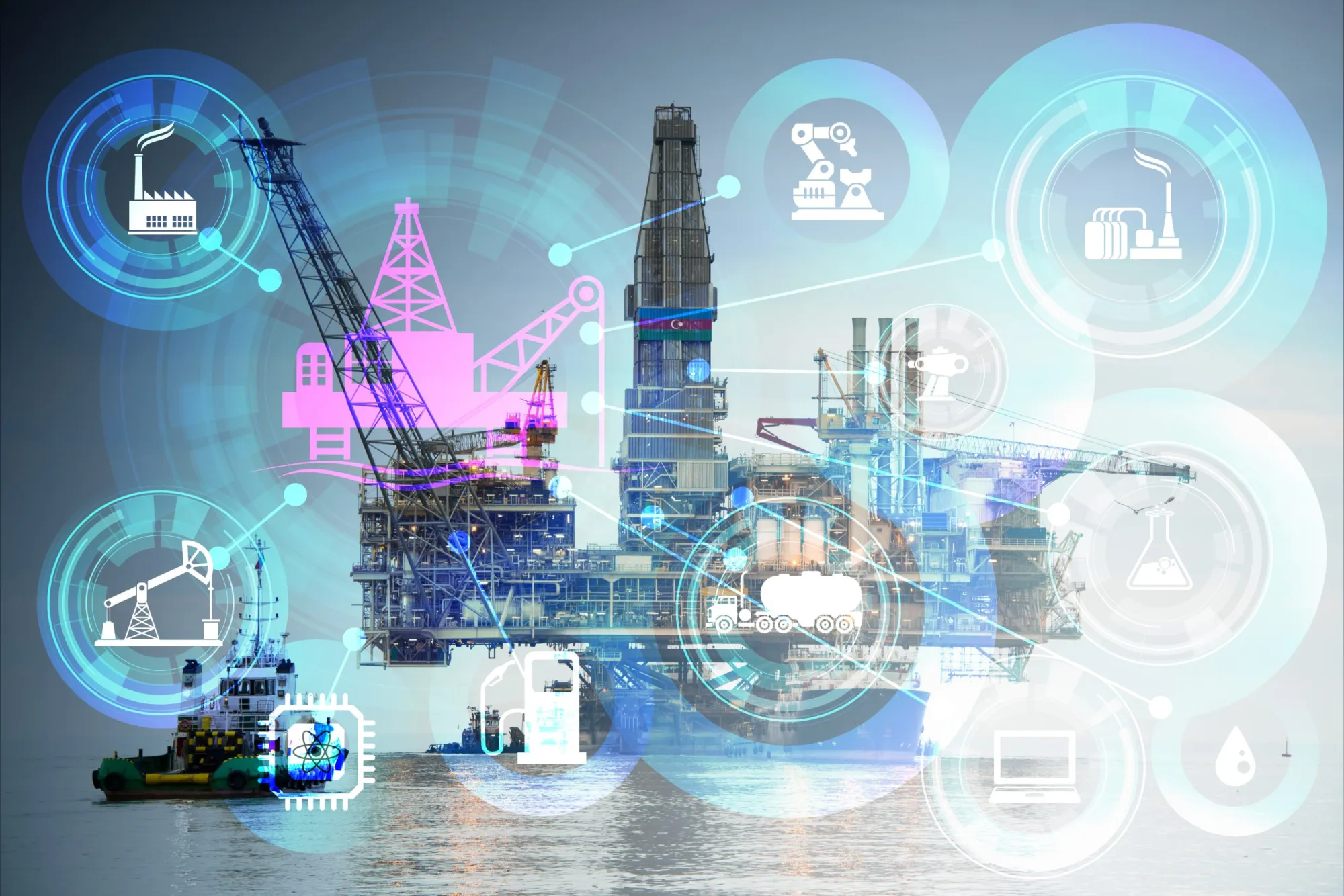

The energy industry is changing faster than many people realize. New technologies, shifting market demands, and growing pressure to improve efficiency are reshaping how companies operate. If You follow the energy sector or simply want to understand where the industry is heading, keeping up with these changes matters. The trends emerging today will influence how projects are planned, how resources are managed, and how teams work in the years ahead. This guide explores the biggest developments expected to shape operations in 2026 using simple language and practical insights so You can understand what is changing and why it matters.
Why Industry Trends Matter
The future of oil drilling is not only about finding resources. It is also about improving safety, reducing waste, and increasing productivity.
Companies that adapt quickly often gain an operational advantage. According to the International Energy Agency, technology investment continues to play a major role in improving energy production efficiency across global markets.
Understanding these trends helps decision makers, investors, and curious readers prepare for what lies ahead.
1. Greater Use of Automation
Automation continues transforming field activities.
Machines and digital systems now handle repetitive tasks that once relied heavily on manual labor. Automated systems can improve precision and reduce human error.
Examples include:
• Automated drilling controls
• Real time monitoring systems
• Predictive maintenance alerts
These improvements support more efficient workflows while helping crews focus on higher value activities.
2. Artificial Intelligence for Better Decisions
Artificial intelligence is becoming more practical within the energy sector.
Companies involved in drilling for oil increasingly use advanced analytics to interpret data and identify patterns. AI can support maintenance planning, optimize schedules, and improve production forecasting.
This technology helps organizations react faster to changing conditions.
Smarter decisions often lead to better outcomes.
3. Digital Twins Improve Planning
Digital twins create virtual models of physical assets.
These models allow teams to simulate performance before making changes in the field. Engineers can identify weaknesses and test improvements without disrupting operations.
The adoption of digital twins is expected to increase significantly in coming years.
Organizations focused on Oil and Drilling recognize that better planning can reduce risk and improve efficiency.
4. Sustainability Becomes a Priority
Environmental responsibility remains a major focus.
Operators continue investing in emissions management, water conservation, and energy efficient practices.
Stakeholders increasingly expect measurable progress.
Businesses that demonstrate responsible operations often strengthen public trust and regulatory relationships.
Sustainability is becoming part of everyday decision making rather than a separate initiative.
5. Advanced Equipment Designs
Modern oil drilling equipment is evolving rapidly.
Manufacturers are developing systems that offer improved durability, enhanced performance, and lower maintenance requirements.
Innovation focuses on:
• Increased reliability
• Better data integration
• Improved worker safety
• Enhanced operational efficiency
Equipment improvements contribute to stronger overall performance.
Trends Comparison
| Trend | Primary Benefit | Practical Use Case |
| Automation | Improved efficiency | Automated rig controls |
| Artificial Intelligence | Better forecasting | Predictive maintenance |
| Digital Twins | Reduced risk | Virtual performance testing |
| Sustainability | Lower environmental impact | Emissions reduction efforts |
| Advanced Equipment | Higher reliability | Smart drilling systems |
| Remote Monitoring | Faster response | Real time alerts |
| Workforce Development | Stronger capabilities | Skills training programs |
| Data Analytics | Better insights | Operational planning |
| Cybersecurity | Asset protection | Network monitoring |
| Collaboration Tools | Improved communication | Cross team coordination |
These trends highlight how technology and people continue shaping industry performance.
6. Remote Operations Gain Momentum
Remote technologies became more common in recent years.
Control centers can now oversee activities from considerable distances. Teams gain visibility into performance without needing constant physical presence.
The second wave of drilling for oil innovation focuses heavily on connectivity and responsiveness.
Remote access supports:
• Faster decision making
• Reduced travel needs
• Better coordination
• Improved resource allocation
The ability to respond quickly often improves outcomes.
7. Data Driven Operations
Data has become one of the industry's most valuable assets.
Organizations gather enormous amounts of operational information each day. Turning that information into practical insights creates opportunities for improvement.
Companies increasingly rely on dashboards and analytics platforms to guide actions.
Readers interested in industry developments can often learn more through resources such as Blogs: horizontal drilling, which explain how innovation influences field performance.
Knowledge sharing supports better understanding.
8. Workforce Development and Training
Technology alone does not guarantee success.
People remain central to operational excellence. As systems become more sophisticated, employees require updated skills and ongoing education.
Training priorities include:
• Digital literacy
• Equipment knowledge
• Safety practices
• Leadership development
Investing in people strengthens long term resilience and adaptability.
Organizations benefit when teams feel prepared for evolving demands.
9. Cybersecurity Receives More Attention
Digital transformation introduces new challenges.
Connected systems require stronger safeguards against cyber threats. Protecting operational technology is now a business priority.
The future of oil drilling depends partly on maintaining secure networks and protecting sensitive information.
Cybersecurity efforts may involve:
• Access controls
• Continuous monitoring
• Employee awareness
• Incident response planning
Strong defenses support operational continuity.
10. Collaboration Across Teams
Breaking down organizational silos improves execution.
Field personnel, engineers, analysts, and leaders achieve better results when they share information openly.
Cross functional collaboration encourages faster problem solving and more effective planning.
The energy sector continues learning that communication can influence productivity just as much as technology.
Successful organizations align people around common goals.
The Role of Smarter Equipment
Investment in oil drilling equipment reflects a broader shift toward intelligent operations.
Modern systems collect performance data and provide actionable insights. Maintenance teams can address potential issues before failures occur.
Benefits include:
• Reduced downtime
• Improved efficiency
• Enhanced safety outcomes
• Better asset utilization
Technology becomes more valuable when it supports practical decision making.
Industry Evolution Beyond Technology
Industry change extends beyond machines and software.
The relationship between environmental expectations, public perception, and business priorities continues evolving.
Organizations involved in oil and gas activities increasingly seek balanced approaches that support both performance and responsibility.
Long term success depends on adaptability.
Companies willing to evolve often position themselves more effectively for future challenges.
Preparing for the Future
The second stage of oil drilling transformation involves integrating these trends into everyday operations.
Preparation requires strategic thinking rather than reactive decisions.
Leaders should focus on:
• Evaluating emerging technologies
• Investing in workforce readiness
• Strengthening communication
• Reviewing operational processes
Small improvements implemented consistently can produce meaningful results over time.
Key Takeaways
• Automation continues improving efficiency.
• Artificial intelligence supports better decisions.
• Sustainability remains a growing priority.
• Smarter equipment enhances reliability.
• Workforce development is essential.
• Cybersecurity protects digital assets.
• Collaboration strengthens performance.
• Adaptability helps organizations remain competitive.
Looking Ahead with Confidence
The future of the energy sector will be shaped by innovation, responsibility, and the ability to adapt. These emerging trends highlight how technology and human expertise continue working together to improve performance and address evolving expectations. Organizations that remain curious, invest in learning, and embrace practical improvements often place themselves in stronger positions for long term success.
Understanding these developments allows You to move beyond headlines and appreciate the forces influencing operational decisions. Businesses such as Double T Holdings recognize that staying informed is essential in a rapidly changing environment. By following these trends and preparing thoughtfully, industry professionals and observers alike can approach 2026 with greater confidence and clarity.
Frequently Asked Questions
1. Why is automation becoming more common?
Automation improves efficiency, reduces repetitive tasks, and supports safer operations.
2. How does artificial intelligence help energy companies?
It analyzes data to improve forecasting, planning, and maintenance decisions.
3. Why is sustainability important?
Environmental responsibility influences regulations, stakeholder expectations, and long term business performance.
4. What role does cybersecurity play?
Cybersecurity protects connected systems and helps maintain operational continuity.
5. Why should people follow industry trends?
Understanding trends supports better decisions and improves awareness of future opportunities and challenges.























Sign in to leave a comment.