
In the era of data-driven decision-making, organizations are recognizing the need for faster and more accessible insights. Self-service analytics has emerged as a game-changer, empowering users with the ability to explore and analyze data independently, without heavy reliance on IT or data experts. In this blog, we will delve into the world of self-service analytics, its benefits, key features, and how it is revolutionizing the way organizations harness the power of their data.
Understanding Self-Service Analytics:
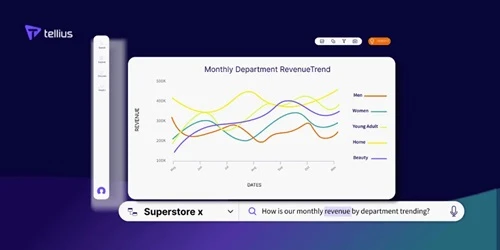
Self-service analytics refers to the practice of enabling business users to access and analyze data without the need for specialized technical skills or assistance from IT departments. It empowers users to explore, visualize, and derive insights from data through user-friendly interfaces, intuitive tools, and pre-defined analytics models. Self-service analytics tools often feature drag-and-drop interfaces, interactive dashboards, and data connectors that simplify data exploration and analysis, democratizing the analytical process across the organization.
Benefits of Self-Service Analytics:
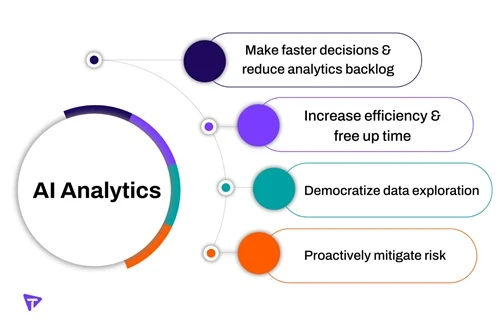
Faster Insights: Self-service analytics eliminates the dependency on IT teams or data experts, enabling users to access and analyze data in real-time. This significantly reduces the time required to obtain insights, allowing for quicker decision-making and faster responses to market dynamics or emerging opportunities.
Democratization of Data: By providing self-service analytics capabilities to a broader range of users, organizations foster a data-driven culture throughout the organization. Business users gain direct access to data, promoting data literacy, and empowering individuals to make informed decisions based on accurate and up-to-date information.
Flexibility and Agility: Self-service analytics tools offer users the flexibility to explore data in a way that suits their specific needs and preferences. They can create custom reports, perform ad-hoc analyses, and visualize data according to their unique requirements, enhancing agility in data exploration and discovery.
Reduced IT Dependency: With self-service analytics, users can access and analyze data independently, reducing the burden on IT departments. Business users can perform data transformations, apply filters, and build visualizations without requiring extensive technical expertise or waiting for IT resources, leading to increased efficiency and productivity.
Empowered Decision-Making: Self-service analytics puts the power of data-driven decision-making in the hands of business users. They can directly explore data, uncover patterns, identify trends, and gain insights specific to their domains or departments. This empowers users to make informed decisions aligned with their business objectives and goals.
Collaboration and Sharing: Self-service analytics platforms often feature collaboration capabilities, allowing users to share insights, reports, and dashboards with their colleagues. This fosters a collaborative environment, encourages knowledge sharing, and promotes data-driven discussions and decision-making across teams.
Key Features of Self-Service Analytics:
Intuitive User Interfaces: Self-service analytics tools provide user-friendly interfaces that require minimal technical training. Drag-and-drop functionalities, visual query builders, and interactive dashboards make data exploration and analysis accessible to users of all skill levels.
Data Preparation and Cleansing: Self-service analytics platforms offer built-in data preparation capabilities, allowing users to clean, transform, and blend data from multiple sources. This eliminates the need for separate data preparation tools or manual data cleansing processes.
Visual Data Exploration: Self-service analytics tools prioritize data visualization, enabling users to explore data visually through charts, graphs, and interactive visualizations. This enhances data comprehension and facilitates the identification of patterns, correlations, and outliers.
Advanced Analytics Capabilities: Self-service analytics platforms often include advanced analytics functionalities such as predictive modeling, machine learning, and statistical analysis. These capabilities enable users to derive deeper insights and uncover predictive patterns from their data.

























Sign in to leave a comment.