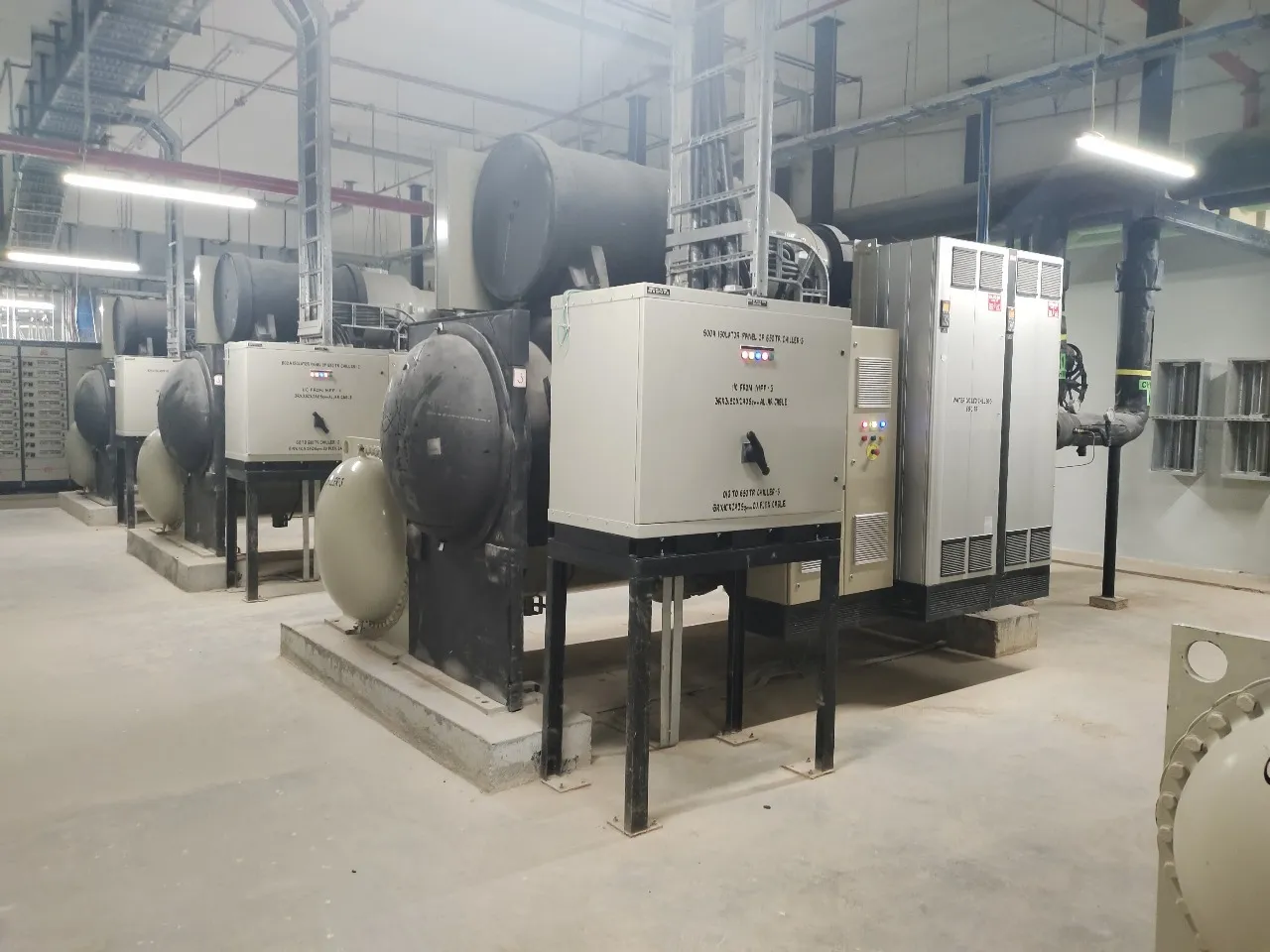

Commercial buildings account for a significant portion of global energy consumption, with estimates suggesting they consume nearly 40% of total electricity production in urban areas. For facility managers and building owners, energy costs represent one of the largest ongoing operational expenses, often second only to personnel. Yet despite this financial impact, many commercial facilities continue operating with outdated systems, inefficient practices, and missed opportunities for optimization. Understanding and implementing comprehensive energy efficiency strategies can dramatically reduce operational costs while simultaneously improving occupant comfort and environmental sustainability.
The True Cost of Energy Inefficiency
Energy waste in commercial buildings manifests in multiple forms, many of which remain invisible without proper monitoring and analysis. Heating and cooling systems cycling unnecessarily during unoccupied hours, lighting illuminating empty spaces, and equipment operating at partial loads all contribute to inflated utility bills. The cumulative impact of these inefficiencies often reaches 20-30% of total energy consumption, representing substantial financial waste that could be redirected toward productive business purposes.
Beyond direct energy costs, inefficiency carries additional hidden expenses. Overworked equipment experiences accelerated wear and requires more frequent repairs. Uncomfortable temperature fluctuations reduce employee productivity and tenant satisfaction. Excessive energy consumption increases carbon footprint, potentially affecting corporate sustainability commitments and public perception. When viewed holistically, the total cost of energy inefficiency far exceeds the monthly utility statement.
Systematic Assessment: The Foundation of Improvement
Effective energy optimization begins with comprehensive facility assessment that identifies exactly where and how energy is consumed. This analysis goes beyond reviewing utility bills to examine actual system operation, occupancy patterns, and equipment performance. Professional energy audits employ specialized instrumentation to measure consumption at the system level, revealing inefficiencies that aggregate data cannot expose.
The assessment process examines several critical areas:
HVAC System Performance: Heating, ventilation, and air conditioning typically represents 40-50% of commercial building energy consumption. Detailed analysis evaluates equipment efficiency, distribution system losses, control strategy effectiveness, and maintenance adequacy. Even well-designed systems often operate inefficiently due to improper commissioning, control drift, or changing building use patterns.
Lighting Systems: Despite significant advances in LED technology, many facilities continue operating with outdated fluorescent or high-intensity discharge lighting that consumes far more energy than necessary. Assessment identifies opportunities for both technology upgrades and improved control strategies that align illumination with actual occupancy and natural daylight availability.
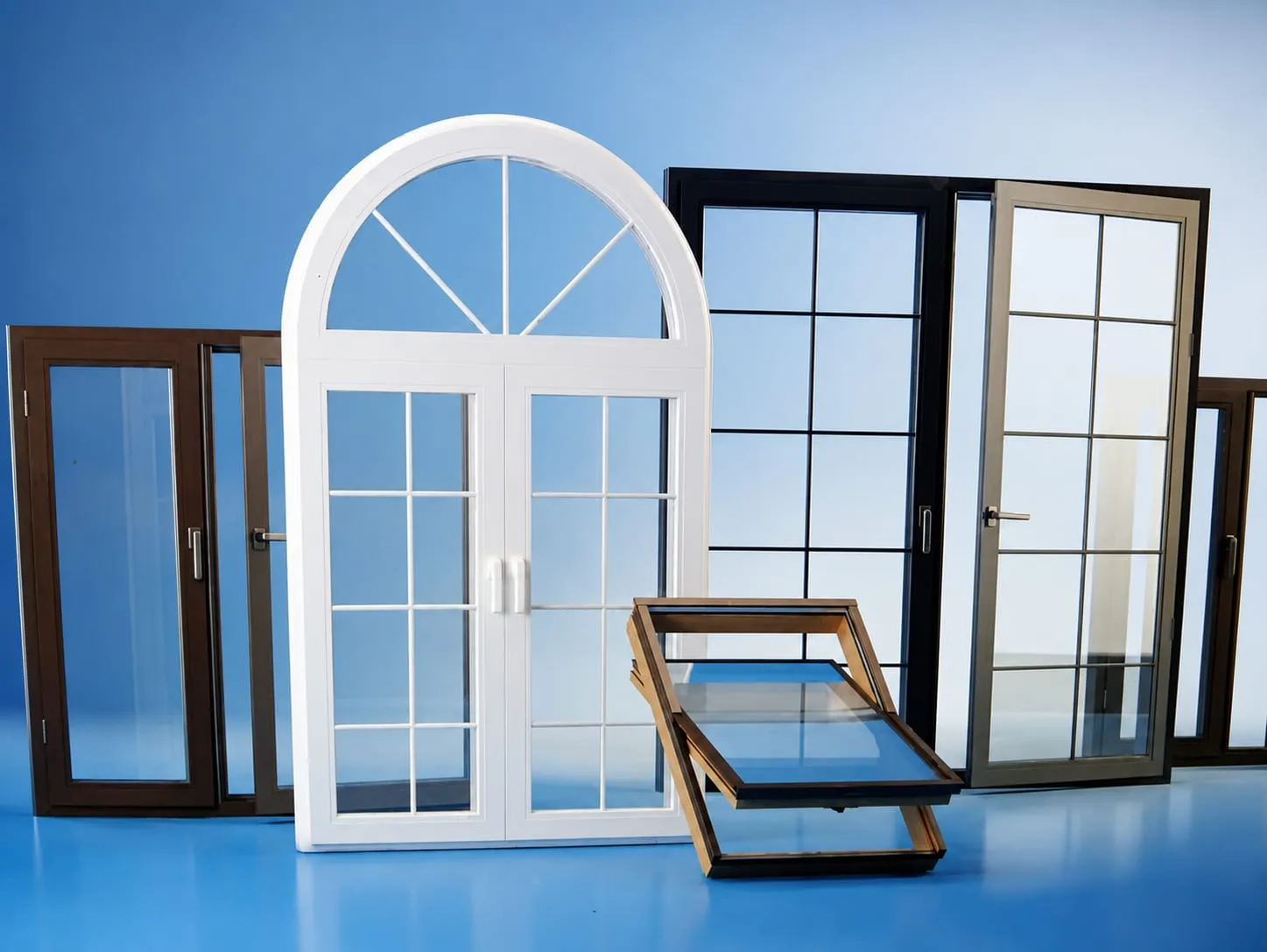
Building Envelope Performance: Thermal inefficiencies in walls, roofs, windows, and doors force HVAC systems to work harder maintaining comfortable conditions. Infrared thermography and pressure testing reveal air leakage and insulation deficiencies that compromise energy performance.
Plug Load Analysis: Computers, printers, appliances, and other plug-in equipment often operate continuously regardless of actual need. Understanding these loads and implementing management strategies can yield surprising savings with minimal investment.
HVAC Optimization: The Highest-Impact Opportunity
Given that climate control systems consume the largest share of building energy, HVAC optimization typically offers the greatest potential for improvement. Modern approaches to HVAC efficiency extend far beyond simple equipment upgrades, encompassing control strategies, system integration, and operational optimization.
Advanced control systems transform HVAC efficiency by coordinating equipment operation with actual building needs rather than following rigid schedules. These systems incorporate occupancy sensors, weather forecasting, thermal storage strategies, and demand response capabilities. For facilities with centralized cooling, implementing intelligent solutions like a chiller plant manager provides sophisticated optimization that adapts to changing loads, sequences equipment for maximum efficiency, and predicts maintenance needs before failures occur.
Variable frequency drives on pumps and fans allow equipment to modulate output matching actual demand rather than cycling on and off or operating continuously at full capacity. This capability alone can reduce HVAC energy consumption by 20-40% in many applications. Combined with proper system commissioning, regular maintenance, and optimized control sequences, comprehensive HVAC improvements often achieve energy reductions exceeding 50% compared to baseline operation.
Lighting Modernization and Control Integration
LED lighting technology has matured to the point where it represents the clear choice for virtually all commercial applications. Modern LED fixtures consume 50-75% less energy than the fluorescent systems they replace while providing superior light quality and significantly longer service life. The energy savings typically provide payback periods of two to four years, making lighting upgrades among the most financially attractive efficiency improvements.
However, maximum lighting efficiency requires more than simply replacing fixtures. Intelligent control systems adjust illumination based on occupancy detection and daylight harvesting, ensuring lights operate only when and where needed. Tunable white LED systems can even adjust color temperature throughout the day, supporting occupant circadian rhythms while optimizing energy consumption.
Integration with building management systems allows lighting to coordinate with other building functions. Conference rooms automatically adjust lighting levels for presentations, then return to standard illumination when occupants depart. Open office areas gradually increase illumination as natural daylight fades, maintaining consistent conditions while minimizing energy use.
The I Focus Solutions Energy Optimization Approach
I Focus Solutions brings systematic methodology to commercial energy efficiency, combining technical expertise with practical understanding of facility operations. Their energy optimization services begin with comprehensive facility assessment using advanced monitoring equipment to establish baseline consumption patterns and identify improvement opportunities.
The company's approach prioritizes improvements based on return on investment, recognizing that facility managers must balance energy savings against capital expenditure and operational disruption. Quick-win opportunities that require minimal investment receive immediate attention, while more substantial improvements follow strategic implementation timelines.
Beyond initial optimization, I Focus Solutions provides ongoing monitoring and continuous improvement services. Energy management platforms track consumption patterns, verify that implemented improvements deliver expected savings, and identify new optimization opportunities as building use evolves. This sustained engagement ensures that efficiency gains persist rather than gradually degrading as systems drift from optimal operation.
Behavioral and Operational Strategies
Technology alone cannot achieve maximum energy efficiency without corresponding changes in operational practices and occupant behavior. Simple measures like adjusting temperature setpoints during unoccupied periods, implementing equipment shutdown protocols, and educating occupants about energy-conscious practices complement technical improvements.
Facility managers should establish clear energy performance metrics and track them consistently. Monthly consumption per square foot, energy use intensity, and peak demand levels provide insight into operational efficiency and flag emerging issues. When consumption patterns change unexpectedly, prompt investigation often reveals equipment malfunctions or control system problems before they escalate into major failures.
Measuring Success and Continuous Improvement
Energy efficiency represents an ongoing journey rather than a destination. Building use changes, equipment ages, and new technologies emerge that enable further optimization. Establishing measurement systems that track actual energy consumption, normalize for variables like weather and occupancy, and compare performance against established benchmarks allows facilities to quantify improvement and identify new opportunities.
The most successful energy programs incorporate regular review cycles that assess performance, evaluate new technologies, and adjust strategies based on operational experience. This continuous improvement mindset ensures that efficiency gains compound over time rather than stagnating at initial achievement levels.
Conclusion: The Business Case for Energy Efficiency
Energy efficiency improvements offer rare opportunities where financial returns, operational improvements, and environmental responsibility align perfectly. The capital invested in efficiency measures typically generates returns exceeding most other business investments while simultaneously reducing operating costs, improving occupant comfort, and demonstrating corporate environmental stewardship.
I Focus Solutions delivers the expertise, technology, and ongoing support needed to transform commercial building energy performance. Their comprehensive approach addresses both immediate optimization opportunities and long-term strategic improvements, ensuring that facilities achieve and maintain peak efficiency.























Sign in to leave a comment.