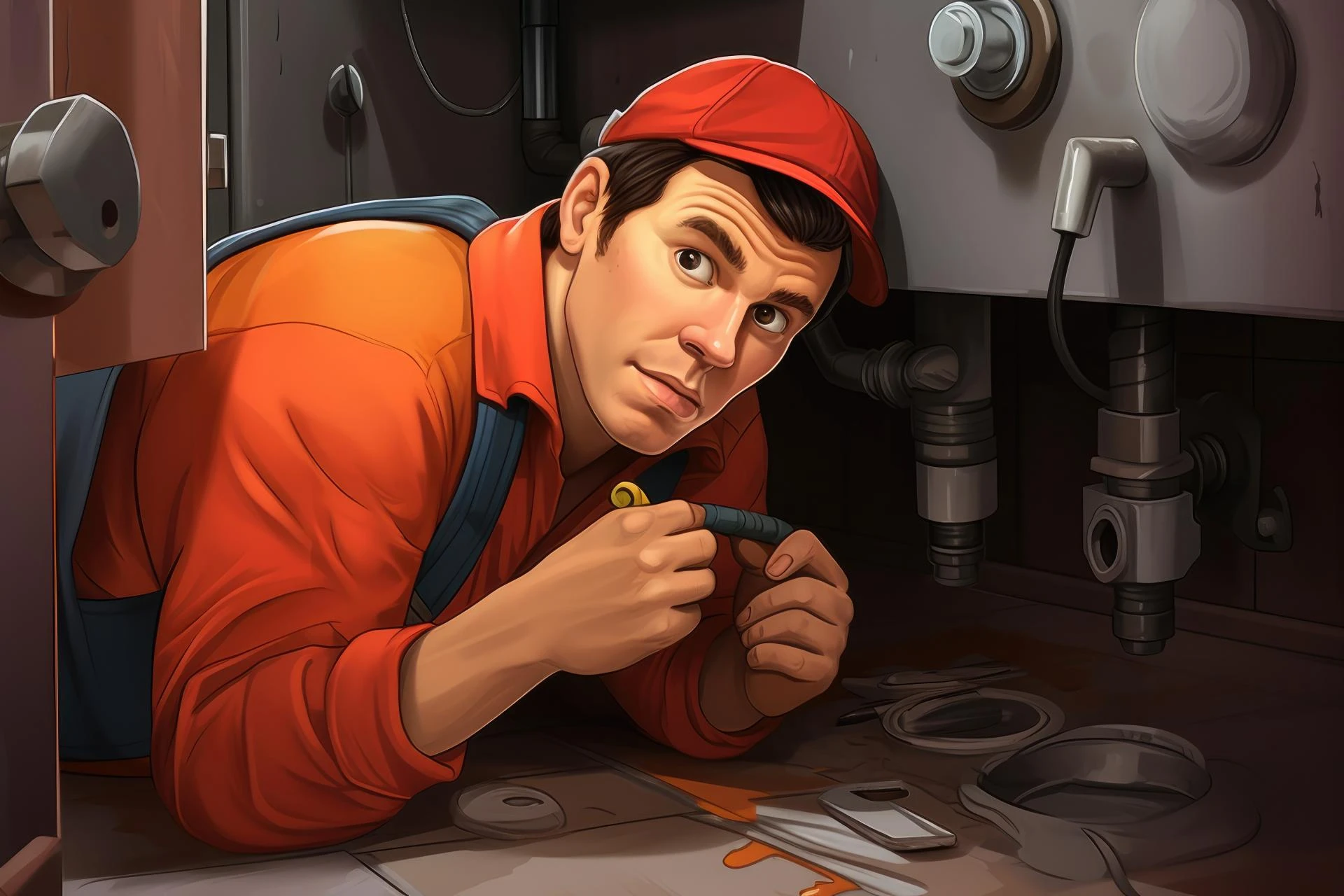

Installing a water heater the right way can help you save energy and reduce your electricity or gas bills. A poorly installed unit can waste energy and increase costs over time. Choosing the right heater, placing it correctly, and using smart installation methods can make a big difference. Hiring a local plumber ensures a proper water heater installation, helping you get the most efficiency from your system.
1. Choose the Right Water Heater
Not all water heaters are the same. Some are more energy-efficient than others. Before buying one, consider these factors:
- Tank vs. Tankless – A tankless water heater heats water only when needed, saving energy. Traditional tank heaters store hot water, using more energy to keep it warm.
- Energy Rating – Look for models with high energy efficiency ratings. An Energy Star-certified unit will use less power.
- Size Matters – A heater that’s too big will waste energy, while one that’s too small won’t provide enough hot water. A local plumber can help you choose the right size.
2. Install in the Right Location
Where you place your water heater affects its efficiency. Install it in a warm, dry place, away from cold drafts. If you install it far from the bathrooms or kitchen, heat loss will increase, causing higher energy use. A local plumber can help find the best spot for your water heater installation.
3. Insulate the Tank and Pipes
If you use a storage water heater, adding insulation helps reduce heat loss. This means the water stays hot longer, so the heater doesn’t have to work as hard.
- Wrap the heater with an insulation blanket to prevent heat loss.
- Insulate hot water pipes to keep the water warm as it moves through the house.
4. Set the Right Temperature
Setting your heater’s temperature too high wastes energy and increases your bills. A safe and efficient setting is 120°F (49°C). This is hot enough for daily use but prevents overheating. Most water heaters allow you to adjust the temperature easily.
5. Use Smart Controls
Many modern water heaters come with smart controls that let you program heating times. If you don’t need hot water all day, set the heater to turn on only when necessary. If your model doesn’t have this feature, you can install a timer. A local plumber can help you set it up during water heater installation.
6. Perform Regular Maintenance
A well-maintained water heater runs efficiently for years. To keep it working properly:
- Drain and flush the tank every 6-12 months to remove sediment buildup.
- Check the anode rod and replace it if worn out to prevent rusting.
- Have a local plumber inspect the unit annually to catch small issues before they become costly repairs.
Final Thoughts
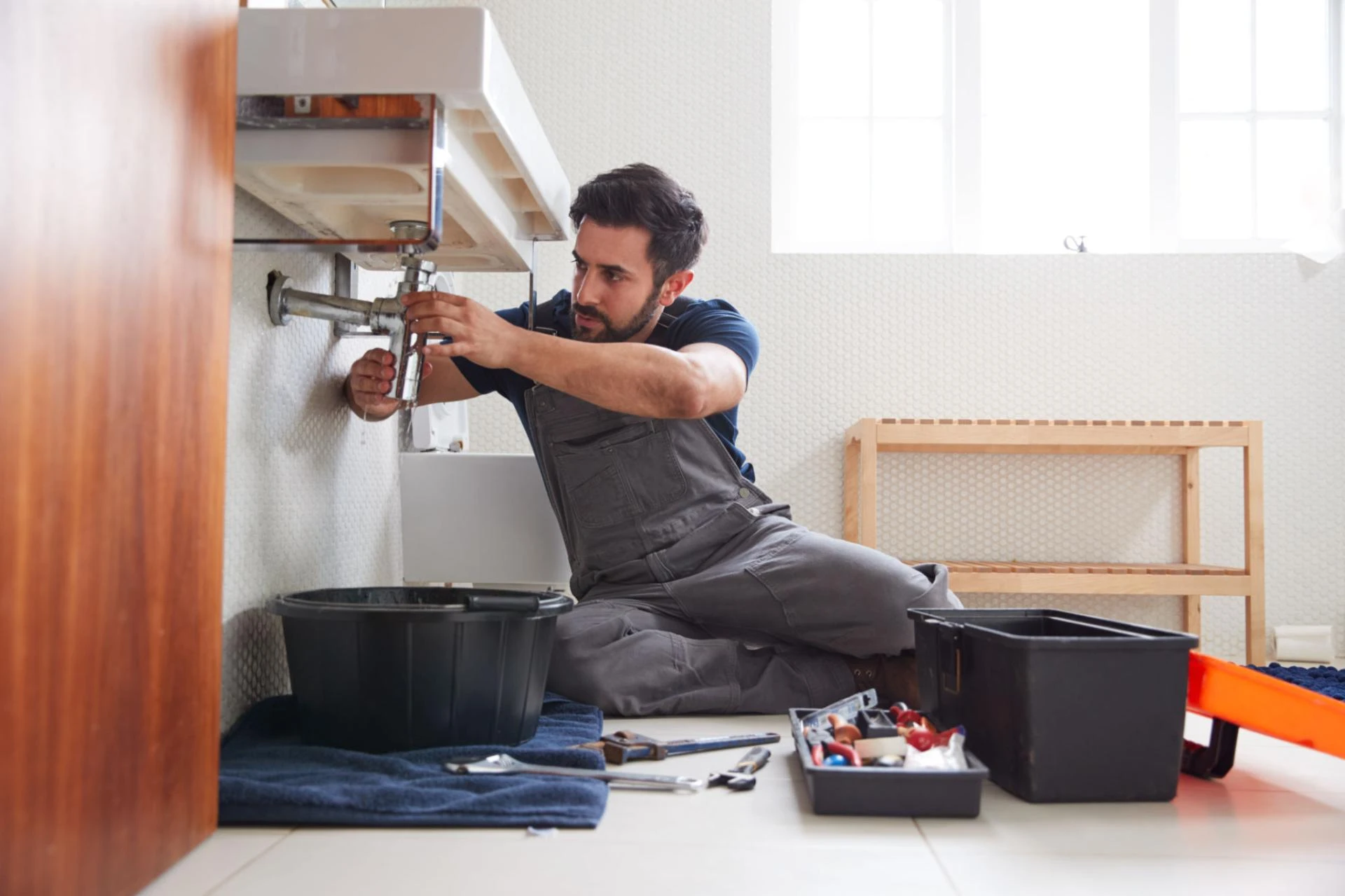
Proper water heater installation and maintenance help save energy and reduce utility costs. Hiring a local plumber ensures the job is done right, improving efficiency and extending the heater’s life. By choosing an energy-efficient unit, installing it in the right place, and keeping it well-maintained, you can enjoy hot water without wasting energy or money.
























Sign in to leave a comment.