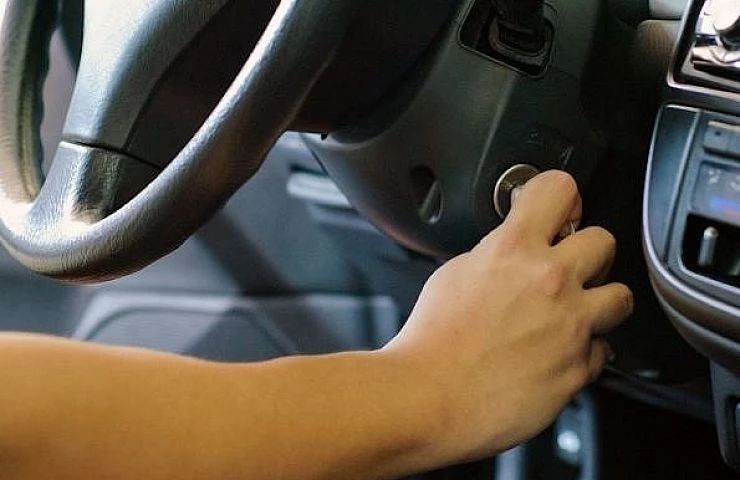

There’s nothing more frustrating than sitting behind the wheel, turning the key (or pressing the start button), and hearing nothing but silence. Whether it’s the first time or the hundredth, the situation is the same: your car won’t start. But before you jump to conclusions, don’t panic—there’s a systematic way to diagnose what’s going wrong. In this step-by-step guide to Car Won't Start Diagnosis, we’ll walk you through the most common causes of a car that won’t start, helping you identify the issue and, in some cases, solve it on your own.
Step 1: Check the Battery
The most common culprit behind a car not starting is a dead battery. If you turn the key and hear a clicking sound or absolutely nothing at all, it could mean your battery is too weak to start the engine.
How to Diagnose Battery Issues:
- Signs: Dim headlights, a clicking sound when you try to start the car, or no sound at all.
- Test: Turn on your car’s headlights. If they are dim or won’t turn on, this is a strong indicator of a weak battery. Another quick test is to use a multimeter to check the battery voltage; a healthy battery should read about 12.6 volts when the car is off.
What to Do:
- Jump-start: If you suspect the battery is the issue, try jump-starting the car using jumper cables and another vehicle or a jump-starter pack.
- Replace the Battery: If the car starts after the jump but dies again after a short time, it’s likely that the battery can no longer hold a charge and needs to be replaced.
- Corrosion: Check the battery terminals for any corrosion. If there is corrosion, clean the terminals using a mixture of baking soda and water, then try starting the car again.
Step 2: Inspect the Starter Motor
If your battery is fine but your car still won’t start, the next part to check is the starter motor. The starter motor is what actually turns the engine over when you attempt to start the vehicle. If there’s a problem with it, the engine won’t turn over.
How to Diagnose Starter Motor Issues:
- Signs: You may hear a single click or nothing at all when you turn the key, but the engine doesn’t crank.
- Test: Try tapping the starter motor gently with a hammer or similar object (while being cautious of any hot parts in the engine bay). If this allows the car to start, the starter motor may be failing and needs replacement.
What to Do:
- If tapping the starter motor works, it could be a sign that it’s starting to fail. While this can be a temporary fix, it’s best to have the starter replaced as soon as possible to prevent further issues.
Step 3: Examine the Fuel System
Your engine won’t start if it doesn’t get fuel. Issues with the fuel system, such as a clogged fuel filter or a failing fuel pump, can cause a no-start condition.
How to Diagnose Fuel System Issues:
- Signs: If you hear the fuel pump not running when you turn the key to the "on" position, there could be an issue with the fuel pump. Additionally, if the car cranks but doesn’t start, it could be that the fuel isn’t reaching the engine.
- Test: Check if your fuel gauge is showing any fuel. If you’re out of gas, that’s an obvious fix. If you’re sure there’s fuel in the tank, listen for the faint humming sound from the fuel tank when you turn the ignition key. This sound indicates the fuel pump is working.
What to Do:
- Fuel Pump: If there is no sound, you may need to check the fuel pump relay or replace the fuel pump. Sometimes the fuse or relay that controls the fuel pump can go bad, so check these first before replacing the pump.
- Fuel Filter: If the fuel system seems to be working but the car still won’t start, a clogged fuel filter could be the issue. Replacing the fuel filter can restore fuel flow to the engine.
Step 4: Test the Ignition System
If your battery and starter motor are working properly, and the fuel system is fine, the issue might lie with the ignition system. The ignition system includes components like the spark plugs, ignition coil, and wires that allow the car to ignite the fuel and start the engine.
How to Diagnose Ignition System Issues:
- Signs: The engine turns over but won’t start, or there’s no sound at all, but the battery is charged, and the starter motor seems fine.
- Test: Check the spark plugs. If they are dirty or worn, they might not be providing the proper spark. You can remove a spark plug, reattach it to the wire, and have someone try to start the car while you watch for a spark.
What to Do:
- Replace Spark Plugs: If the spark plugs are dirty, replace them. Even if they appear fine, it’s good to replace spark plugs every 30,000 to 100,000 miles depending on the type and manufacturer recommendations.
- Check Ignition Coils: Ignition coils may also fail and cause a no-start condition. If you’re not getting a spark, this could be the issue. Test the ignition coils with an Ohmmeter to ensure they are functioning properly.
Step 5: Check for Security System Issues
Modern cars often have anti-theft systems that can prevent the engine from starting if they detect a problem. If there’s an issue with the key or the system itself, the car won’t start.
How to Diagnose Security System Issues:
- Signs: You may notice a flashing security light on your dashboard, or the car may attempt to start, but the engine shuts off immediately.
- Test: Try using a spare key to see if the problem is related to your primary key. If the security system is at fault, your car’s computer may need to be reset, which requires a visit to a mechanic or dealer.
What to Do:
- Reset the Security System: Some cars allow you to reset the security system by following a specific sequence of actions. You can consult the vehicle’s manual for steps, or a dealer may be able to reset the system.
Step 6: Inspect the Fuses and Relays
Fuses and relays control important circuits in your car, including those that supply power to the starter motor, fuel pump, and ignition system. If one of these components fails, it could prevent your car from starting.
How to Diagnose Fuses and Relays:
- Signs: If your car won’t start after confirming that the battery, starter motor, and fuel system are all functional, check the fuses and relays. A blown fuse or faulty relay can interrupt power to crucial components.
- Test: Consult your car’s manual to locate the fuse box and identify relevant fuses for the starter, fuel pump, and ignition system. Inspect the fuses for signs of damage or burn marks.
What to Do:
- Replace Fuses: If you find a blown fuse, replace it with a fuse of the correct amperage. If a relay appears to be faulty, it can often be swapped with a similar one from another system to see if that solves the issue.
Step 7: Consider the Alternator
Lastly, if your car seems to start but dies shortly after, the alternator may be the issue. The alternator is responsible for charging the battery while the car is running. If the alternator fails, the battery won’t charge, and the car will die once the battery is drained.
How to Diagnose Alternator Issues:
- Signs: If your car starts but dies after a short time, or the headlights and other electrical components flicker or dim while driving, the alternator may be malfunctioning.
- Test: Check the alternator belt to ensure it’s not loose or broken. You can also use a multimeter to measure the voltage output from the alternator—if it’s below 13.5 to 14.5 volts, the alternator may need to be replaced.
What to Do:
- Replace the Alternator: If the alternator is faulty, it will need to be replaced. A professional mechanic can do this for you, or you can attempt it yourself if you have the right tools and expertise.
Conclusion
A car that won’t start is a frustrating problem, but by following this Car Won’t Start Diagnosis guide, you can narrow down the issue and potentially fix it yourself. Always start with the simplest solutions, like checking the battery, and work your way through each step methodically. While some problems, like a faulty starter or alternator, may require professional help, many issues can be solved with a bit of know-how and some basic tools.


























Sign in to leave a comment.