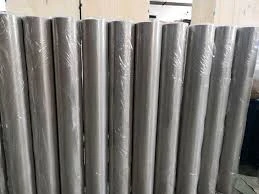

When industries demand performance under pressure—literally—they turn to materials that don’t crack, melt, or fail when things heat up. That’s where engineered mica components and mica sheets fabrication come into the picture.
If you work in electrical systems, heavy machinery, EV manufacturing, or high-temperature processing, you’ve probably heard about mica. But what makes engineered mica solutions so powerful? And why is proper mica sheets fabrication such a big deal?
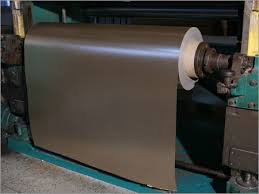
What Are Engineered Mica Components?
Engineered mica components are specially designed parts made from processed mica materials. Unlike raw mica sheets, these components are custom-built to meet specific industrial requirements.
Think of mica as the raw ingredient. Once it’s cut, shaped, bonded, reinforced, and precision-machined—it becomes an engineered mica component.
These components can include:
- Mica washers
- Mica tubes
- Mica barriers
- Mica insulation plates
- Custom-cut thermal shields
- Electrical insulation parts
They are designed to withstand extreme heat, high voltage, and mechanical stress—often all at the same time.
Why Mica Is So Valuable in Industrial Applications
You might wonder, “Why not use plastic, ceramic, or fiberglass instead?” Good question.
Mica offers a rare combination of properties that are difficult to match.
1. Exceptional Heat Resistance
Mica can handle extremely high temperatures without losing its structure. Some grades can withstand temperatures above 500°C and even higher in certain forms.
In environments where other materials melt or crack, mica stays stable.
2. Outstanding Electrical Insulation
Mica is a natural electrical insulator. It prevents current leakage and protects sensitive components from short circuits. That’s why it’s widely used in motors, generators, transformers, and EV batteries.
3. Chemical and Mechanical Stability
Mica doesn’t easily react with chemicals. It also maintains its strength even under pressure. That’s a huge advantage in industrial setups where exposure to oils, gases, and harsh conditions is common.
Understanding Mica Sheets Fabrication
Now let’s talk about mica sheets fabrication—the process that turns raw mica into usable industrial material.
Fabrication is not just cutting sheets randomly. It’s a precise and controlled process.
Step 1: Raw Material Selection
High-quality mica (natural or synthetic) is selected based on the application. The most common types include:
- Muscovite mica
- Phlogopite mica
- Synthetic mica
Each type has its own thermal and electrical characteristics.
Step 2: Sheet Formation
Mica flakes are bonded using heat-resistant resins and pressed into sheets. These sheets can vary in thickness, flexibility, and mechanical strength.
Step 3: Cutting and Shaping
Advanced tools like CNC machines, laser cutters, and precision dies are used to shape the sheets into required forms.
Accuracy matters here. Even a small deviation can affect performance in high-voltage or high-temperature environments.
Step 4: Finishing and Testing
The fabricated sheets are tested for:
- Dielectric strength
- Thermal endurance
- Mechanical durability
- Dimensional accuracy
Only after passing strict quality checks do they become engineered mica components ready for use.
Types of Engineered Mica Components
Not all mica components are the same. They are designed according to application needs.
Rigid Mica Parts
These are strong, solid components used in heaters, furnaces, and heavy machinery.
Flexible Mica Sheets
Used where bending or shaping is required. Ideal for wrapping around irregular surfaces.
Reinforced Mica Boards
These are strengthened with glass cloth or other materials to enhance durability.
Custom Precision Parts
Designed specifically for OEM manufacturers and high-performance industries.
Industries That Rely on Mica Sheets Fabrication
Engineered mica components are used in a wide range of industries. Let’s look at where they make the biggest impact.
Electrical and Electronics Industry
Mica is commonly used in:
- Transformers
- Switchgear
- Circuit breakers
- Motor insulation
Its high dielectric strength makes it perfect for high-voltage systems.
Electric Vehicle (EV) Industry
Battery packs in EVs require thermal management and electrical insulation. Engineered mica components help prevent overheating and ensure safety.
Steel and Furnace Industry
Furnaces operate at extremely high temperatures. Mica sheets act as heat barriers, protecting structural components.
Aerospace Sector
In aerospace applications, materials must be lightweight yet durable. Mica components provide insulation without adding unnecessary weight.
Benefits of Using Engineered Mica Components
Let’s talk about practical benefits. Why should businesses invest in them?
Long Service Life
Mica components last longer than many alternative materials. Less frequent replacement means lower maintenance costs.
Improved Safety
In high-voltage or high-temperature setups, safety is non-negotiable. Mica reduces the risk of electrical failure and overheating.
Energy Efficiency
Better insulation means less energy loss. Over time, that translates to cost savings.
Customizable Solutions
Thanks to advanced mica sheets fabrication techniques, components can be made in nearly any shape or thickness.
How Engineered Mica Compares to Other Materials
Let’s be honest—every material has its place.
- Plastic is cheaper but melts at high temperatures.
- Ceramic handles heat well but can be brittle.
- Fiberglass insulates but may degrade over time.
Mica strikes a balance. It offers heat resistance, electrical insulation, flexibility, and durability—all in one material.
That’s why it remains a preferred choice in critical industrial applications.
Choosing the Right Supplier for Mica Sheets Fabrication
Selecting the right manufacturer is crucial.
Here’s what you should look for:
- Experience in engineered mica components
- Advanced fabrication equipment
- Customization capabilities
- Strict quality control processes
- Reliable technical support
A good supplier doesn’t just sell material—they provide solutions.
Future of Engineered Mica Components
The demand for high-performance insulation is growing rapidly. With the expansion of EVs, renewable energy systems, and smart grids, mica sheets fabrication is becoming more advanced.
Manufacturers are investing in:
- Automation
- Precision machining
- Eco-friendly resins
- Improved synthetic mica formulations
The future looks promising—and engineered mica components will continue playing a critical role.
Sustainability and Responsible Use
Mica is a naturally occurring mineral. When sourced responsibly and processed ethically, it can be part of sustainable industrial practices.
Many manufacturers now focus on responsible sourcing, reduced waste fabrication, and recyclable packaging.
Industries are not just looking for performance anymore—they’re looking for responsibility. And engineered mica solutions are evolving to meet that demand.
Conclusion
Engineered mica components and mica sheets fabrication are essential pillars of modern industrial design. From electrical insulation to thermal protection, these materials offer unmatched reliability in demanding environments.
FAQs
1. What are engineered mica components used for?
They are used for electrical insulation, thermal protection, and mechanical stability in industries like EV, aerospace, and heavy machinery.
2. What is mica sheets fabrication?
It is the process of converting raw mica into custom sheets and components through bonding, pressing, cutting, and finishing.
3. Are mica sheets heat resistant?
Yes, mica sheets can withstand very high temperatures, making them ideal for furnaces and heating systems.
4. Can mica components be customized?
Absolutely. They can be fabricated in different shapes, sizes, and thicknesses according to industrial needs.
5. Is mica better than fiberglass for insulation?
In high-temperature and high-voltage environments, mica often performs better due to its superior thermal and electrical properties.





























Sign in to leave a comment.