
In today's digital landscape, a well-designed landing page can make or break a company's online success. As the first point of contact between a business and its potential customers, landing pages play a crucial role in converting visitors into leads or customers. To achieve this, it's essential to focus on creating an exceptional user experience (UX) through thoughtful user interface (UI) design. In this blog post, we'll explore key UI/UX design tips to enhance the effectiveness of landing page services.
1. Embrace Simplicity and Clarity
The first rule of effective landing page design is to keep it simple and clear. A cluttered or confusing layout can overwhelm visitors and lead to high bounce rates. Instead, focus on:
- Using a clean, minimalist design
- Highlighting key information and calls-to-action (CTAs)
- Maintaining a clear visual hierarchy
- Eliminating unnecessary elements that don't contribute to the page's goal
Remember, the goal is to guide visitors towards a specific action, whether it's signing up for a newsletter, requesting a demo, or making a purchase. By simplifying the design, you make it easier for users to focus on what matters most.
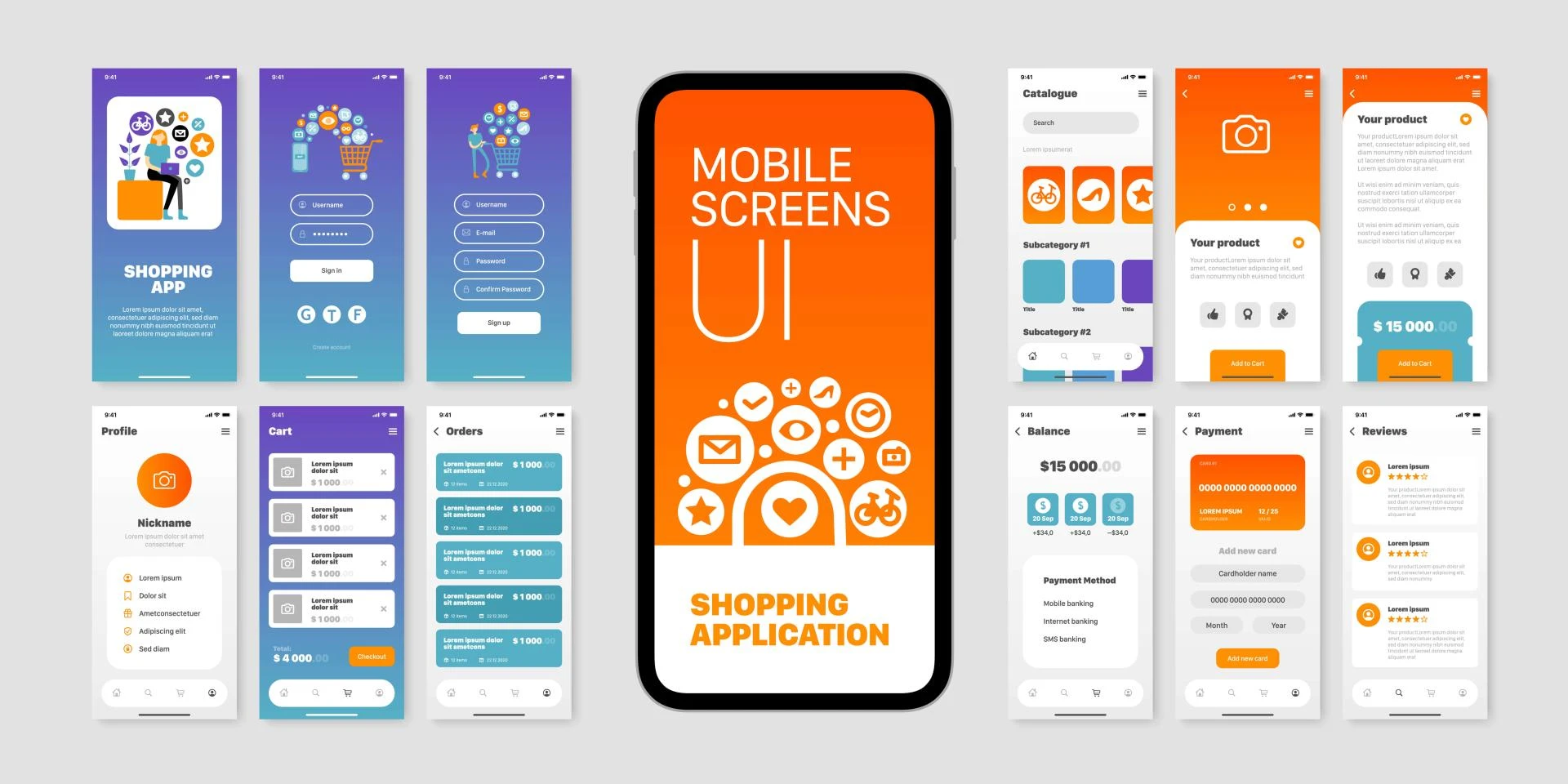
2. Optimize for Mobile Devices
With mobile traffic accounting for over half of all web traffic, it's crucial to design landing pages with mobile users in mind. Some key considerations include:
- Implementing a responsive design that adapts to different screen sizes
- Using larger, touch-friendly buttons and input fields
- Simplifying navigation for smaller screens
- Optimizing image and content loading times for mobile networks
By prioritizing mobile optimization, you ensure that your landing page provides a seamless experience across all devices, maximizing its potential reach and effectiveness.
3. Use Compelling Visuals
Humans are visual creatures, and incorporating eye-catching visuals can significantly enhance the appeal of your landing page. Consider the following:
- Use high-quality, relevant images or videos that support your message
- Incorporate infographics or illustrations to explain complex concepts
- Ensure visuals are optimized for fast loading times
- Maintain a consistent color scheme that aligns with your brand identity
Remember that visuals should complement your content, not overshadow it. Strike a balance between visual appeal and informative text to create a cohesive and engaging landing page.
4. Craft Persuasive Copy
While visuals grab attention, it's the copy that ultimately convinces visitors to take action. To create compelling content:
- Write clear, concise headlines that communicate your value proposition
- Use subheadings and bullet points to break up text and improve readability
- Focus on benefits rather than features
- Include social proof, such as testimonials or client logos
- Create a sense of urgency with time-limited offers or scarcity
Your copy should address the visitor's pain points and clearly articulate how your product or service can solve their problems.
5. Implement Intuitive Navigation
Even though landing pages are typically focused on a single goal, it's important to provide easy navigation for users who want to learn more. Consider:
- Using a sticky header with essential navigation links
- Implementing anchor links for long-scrolling pages
- Including a search function for content-rich landing pages
- Ensuring that the logo links back to the homepage
Good navigation helps users find the information they need quickly, reducing frustration and increasing the likelihood of conversion.
6. Use Strategic Color and Contrast
Color plays a significant role in user experience and can influence visitor behavior. When designing your landing page:
- Use contrasting colors to make CTAs stand out
- Employ color psychology to evoke specific emotions or associations
- Ensure sufficient contrast between text and background for readability
- Maintain consistency with your brand's color palette
Strategic use of color can guide the user's attention to important elements and create a visually appealing design that reinforces your brand identity.
7. Implement Clear and Compelling CTAs
Your call-to-action (CTA) is perhaps the most critical element of your landing page. To make it effective:
- Use action-oriented, specific language (e.g., "Start Your Free Trial" instead of "Submit")
- Make CTAs visually prominent through size, color, and positioning
- Use white space to isolate and emphasize the CTA
- Consider using multiple CTAs for long-scrolling pages
- A/B test different CTA designs and copy to optimize performance
A well-designed CTA should clearly communicate the next step you want visitors to take and make it easy for them to do so.
8. Incorporate Trust Signals
Building trust is crucial for converting visitors into customers. Incorporate trust signals such as:
- Security badges and certifications
- Customer testimonials and reviews
- Client logos or case studies
- Money-back guarantees or free trial offers
- Privacy policy and terms of service links
These elements help alleviate concerns and build confidence in your brand, increasing the likelihood of conversion.
9. Utilize White Space Effectively
White space, or negative space, is a powerful design tool that can significantly improve the user experience. Proper use of white space:
- Improves readability and comprehension
- Creates a sense of elegance and professionalism
- Helps guide the user's attention to important elements
- Reduces cognitive overload and makes the page feel less cluttered
Don't be afraid of leaving empty space on your landing page – it can be just as important as the content itself.
10. Conduct Regular User Testing and Iteration
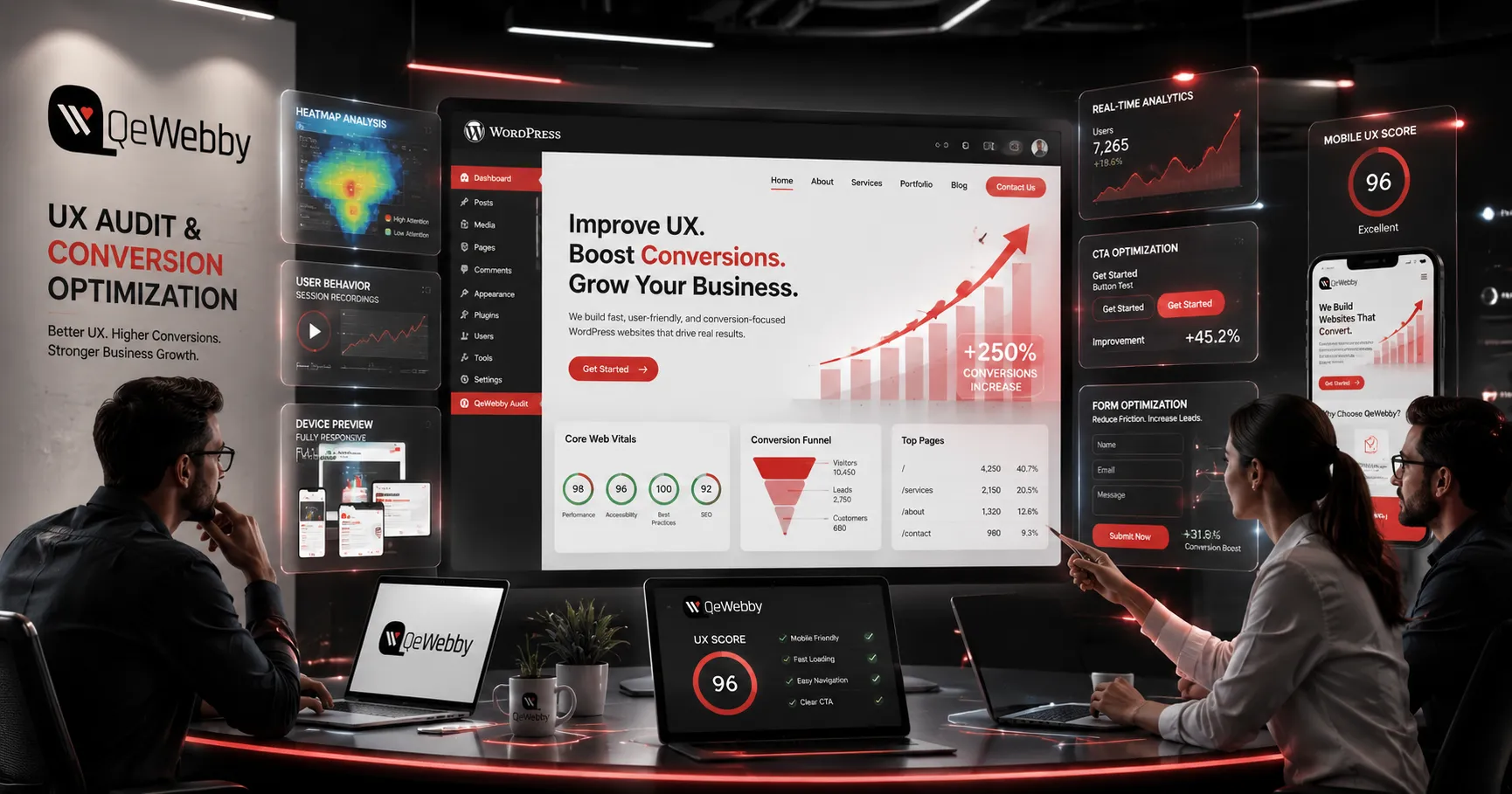
Finally, remember that creating an effective landing page is an ongoing process. Regularly conduct user testing to identify pain points and areas for improvement. Use tools like heat maps, user recordings, and A/B testing to gather data and make informed design decisions.
Continuously iterate on your design based on user feedback and performance metrics. What works today may not work tomorrow, so stay agile and be willing to adapt your approach as needed.
Conclusion
Enhancing user experience through effective UI/UX design is crucial for creating high-converting landing pages. By focusing on simplicity, mobile optimization, compelling visuals and copy, intuitive navigation, and strategic use of color and CTAs, you can create landing pages that not only look great but also drive results. Remember to continuously test and refine your designs to ensure they meet the evolving needs of your audience and business goals. With these tips in mind, you'll be well-equipped to create landing pages that engage, persuade, and convert.
My Fiver link for : Figma Landing Page Design Service






















Sign in to leave a comment.