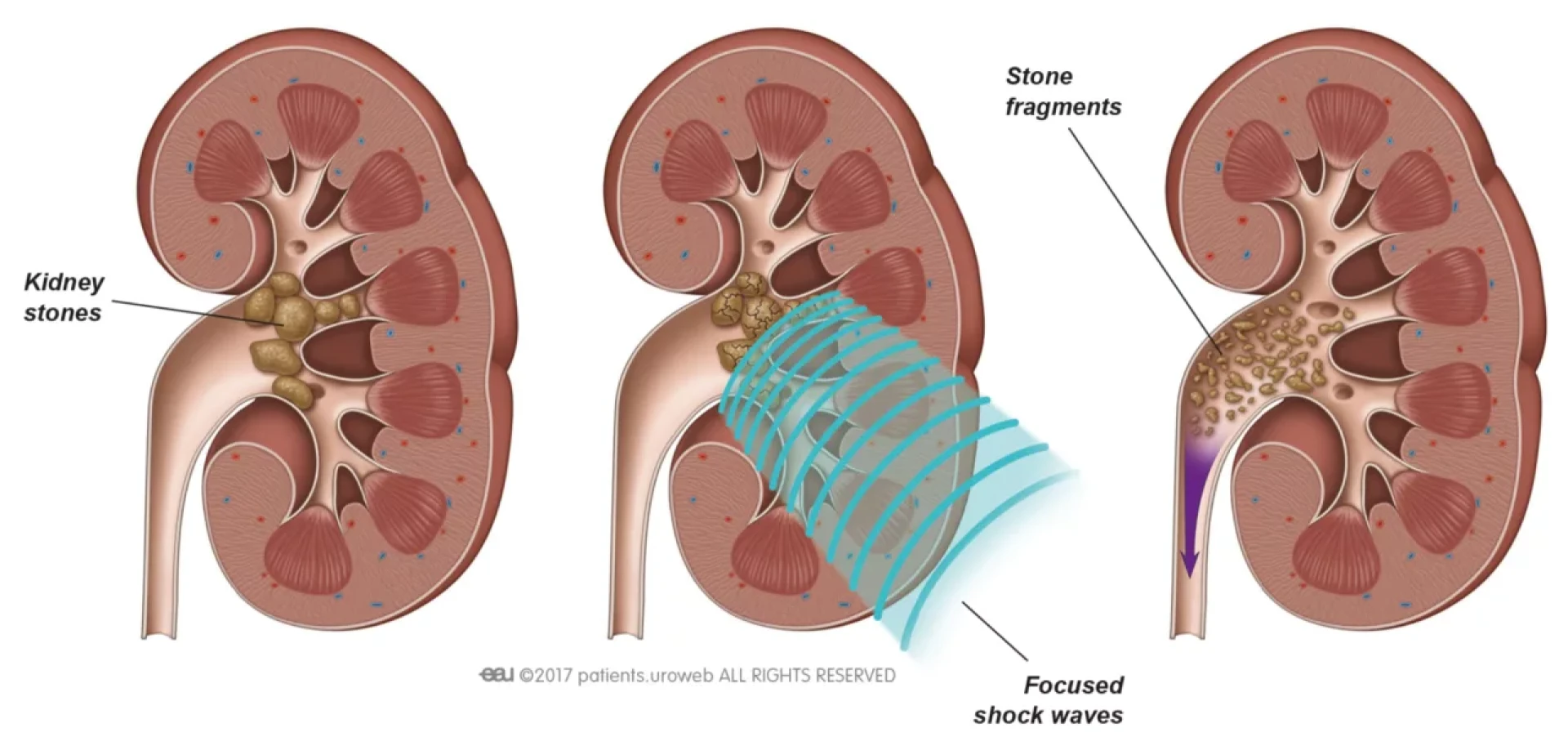

Kidney stones can cause intense pain and discomfort, often requiring medical treatment to remove them safely. One of the most common non-surgical treatments for kidney stones is Extracorporeal Shock Wave Lithotripsy (ESWL). This modern procedure uses shock waves to break kidney stones into smaller fragments so they can pass naturally through the urinary tract.
If you or someone you know has been diagnosed with kidney stones, understanding the cost, recovery time, and overall process of ESWL treatment can help you make informed healthcare decisions. In this guide, we will explain everything you need to know about ESWL treatment.
What Is ESWL Treatment?
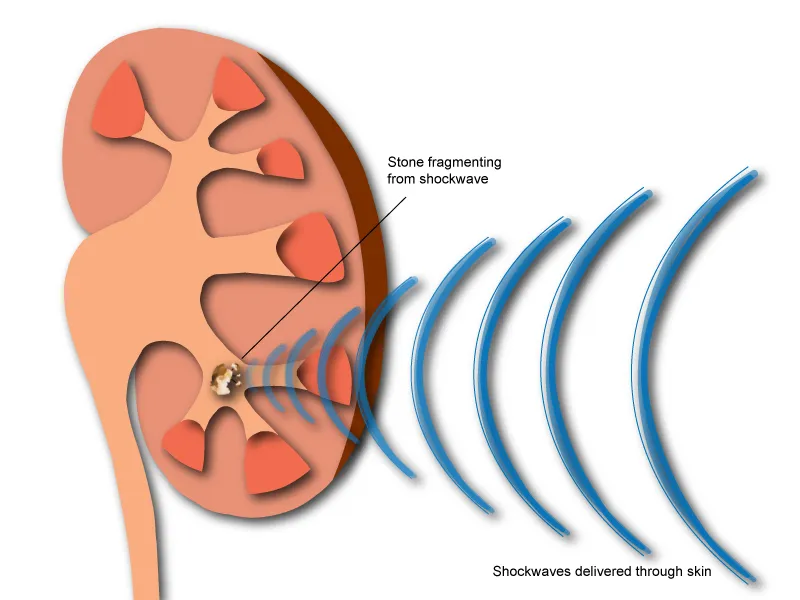
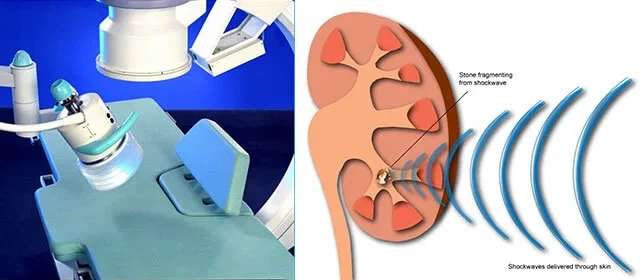
Extracorporeal Shock Wave Lithotripsy (ESWL) is a non-invasive medical procedure used to treat kidney stones. Instead of performing surgery, doctors use high-energy shock waves directed at the stone from outside the body. These shock waves break the stone into smaller pieces that can pass naturally through urine.
ESWL is typically recommended for small to medium-sized stones located in the kidney or upper ureter. The procedure is widely preferred because it does not require surgical incisions, making it safer and less painful compared to traditional surgery.
When Is ESWL Recommended?
Doctors usually recommend ESWL when kidney stones cause pain, infection, or blockage in the urinary tract. It may be suitable in the following situations:
- Kidney stones smaller than 2 cm
- Stones located in the kidney or upper ureter
- Patients who prefer a non-surgical treatment option
- Patients without severe urinary tract blockage
However, ESWL may not be ideal for certain patients, such as those with very large stones, pregnancy, bleeding disorders, or severe obesity. A healthcare professional will determine the best treatment option after evaluating the patient’s condition.
ESWL Treatment Procedure
The ESWL procedure is relatively simple and usually performed in a hospital or specialized clinic.
Step 1: Preparation
Before the procedure, doctors may perform imaging tests such as ultrasound or CT scans to locate the exact position of the kidney stone. Patients may also be advised to avoid eating for several hours before treatment.
Step 2: Shock Wave Treatment
During the procedure, the patient lies on a treatment table while a machine called a lithotripter generates shock waves. These shock waves travel through the body and target the kidney stone, gradually breaking it into smaller pieces.
The procedure usually takes around 30 to 60 minutes. Patients may receive mild sedation or anesthesia to minimize discomfort.
Step 3: Stone Fragment Passage
After the stone is broken into smaller fragments, these pieces pass through the urinary tract naturally over the next few days or weeks.
ESWL Treatment Cost
The cost of Extracorporeal Shock Wave Lithotripsy treatment can vary depending on several factors, including the hospital, doctor’s expertise, location, and diagnostic tests required.
Average ESWL Cost in India
In India, ESWL treatment generally costs between:
₹30,000 to ₹1,20,000
The price may vary based on:
- Hospital facilities
- City and location
- Number of treatment sessions required
- Diagnostic imaging tests
- Anesthesia or sedation charges
- Doctor consultation fees
Some patients may require multiple ESWL sessions if the kidney stone is large or difficult to break.
Many health insurance policies cover kidney stone treatments, including ESWL. It is recommended to check with your insurance provider to understand the coverage details.
If you are researching ESWL treatment cost in Bangalore, consulting experienced specialists is essential for proper diagnosis and treatment planning. Clinics such as Shree Srinivasa Uro Care provide advanced urology care and personalized treatment options for patients suffering from kidney stones.
ESWL Recovery Time
One of the biggest advantages of ESWL treatment is its quick recovery time compared to surgical procedures.
Most patients can return home the same day after the procedure. However, the full recovery process may take a few days to a couple of weeks depending on the size of the stone fragments.
Typical Recovery Timeline
First 24 Hours
- Mild discomfort or soreness
- Blood in urine
- Slight fatigue
2–5 Days
- Small stone fragments start passing through urine
- Mild pain may occur as fragments move through the urinary tract
1–2 Weeks
- Most fragments pass naturally
- Symptoms gradually improve
Doctors may prescribe pain relievers and recommend drinking plenty of water to help flush out stone fragments.
Tips for Faster Recovery After ESWL
Following your doctor’s instructions can help speed up recovery and reduce complications. Here are some helpful tips:
Stay Hydrated
Drinking plenty of water helps flush out stone fragments from the urinary tract.
Follow Medication Instructions
Take prescribed medications such as pain relievers or antibiotics as directed.
Avoid Strenuous Activities
Rest for a few days and avoid heavy lifting or intense exercise.
Monitor Symptoms
Watch for symptoms such as severe pain, fever, or difficulty urinating and contact your doctor if they occur.
Possible Side Effects of ESWL
Although Extracorporeal Shock Wave Lithotripsy is considered safe, some patients may experience temporary side effects, including:
- Blood in urine
- Mild back or abdominal pain
- Bruising near the treatment area
- Urinary tract infection
- Difficulty passing stone fragments
Serious complications are rare, but patients should always follow medical advice and attend follow-up appointments.
Advantages of ESWL Treatment
ESWL has become a popular kidney stone treatment because of its many benefits.
Non-invasive procedure – No surgical incisions are required.
Short treatment time – Most procedures take less than an hour.
Quick recovery – Patients usually return to normal activities within a few days.
Minimal hospital stay – Many patients go home the same day.
Effective for small to medium stones – High success rate for suitable cases.
When to See a Doctor After ESWL
After treatment, it is important to seek medical attention if you experience:
- Severe or persistent pain
- High fever
- Heavy bleeding in urine
- Difficulty urinating
- Nausea or vomiting
These symptoms could indicate complications that require immediate medical care.
Extracorporeal Shock Wave Lithotripsy (ESWL) is a highly effective and non-invasive treatment for kidney stones. It offers a safer alternative to surgery, with minimal discomfort and a relatively quick recovery time.
While the cost of ESWL treatment may vary depending on the hospital and individual medical needs, many patients find it to be a convenient and efficient option for removing kidney stones.
If you are experiencing symptoms of kidney stones, consult a qualified healthcare professional to determine whether ESWL treatment is the right choice for you. Early diagnosis and proper treatment can help prevent complications and ensure a faster recovery.
Original Sources : - ESWL Treatment Cost and Recovery Time: A Complete Guide





















Sign in to leave a comment.