

Your kidneys work quietly every day to filter waste, balance fluids, control blood pressure, and maintain overall health. Because they function silently, kidney problems often go unnoticed until they become serious. Recognizing the right time to consult a kidney specialist can protect you from long-term complications.
But how do you know when it’s time to see an expert? Let’s understand the signs, risk factors, and situations where consulting a nephrologist becomes essential.
What Does a Kidney Specialist Do?
A kidney specialist, also called a nephrologist, is trained to diagnose and manage diseases affecting the kidneys. They treat conditions such as:
- Chronic Kidney Disease (CKD)
- Kidney infections
- Kidney stones
- High blood pressure linked to kidney problems
- Electrolyte imbalances
- Kidney failure
- Dialysis and transplant management
If you have persistent symptoms or abnormal test results, specialized kidney care can prevent further damage.
1. Persistent High Blood Pressure
High blood pressure is both a cause and a consequence of kidney disease. Your kidneys regulate blood pressure, so when they are not functioning properly, your readings may remain high despite medications.
You should consider seeing a specialist if:
- Your blood pressure remains uncontrolled
- You require multiple medications
- You are young with severe hypertension
Early intervention helps prevent kidney failure and heart complications.
2. You Have Diabetes
Diabetes is one of the leading causes of kidney damage. High blood sugar slowly harms the tiny filtering units inside the kidneys.
Consult a kidney specialist if:
- You have long-standing diabetes
- Protein appears in your urine
- Creatinine levels are rising
- Your eGFR is declining
Timely treatment can significantly slow kidney damage.
3. Abnormal Kidney Function Tests
Many kidney problems are detected through routine blood and urine tests.
Important tests include:
- Serum creatinine
- eGFR (Estimated Glomerular Filtration Rate)
- Urine protein test
- Blood urea nitrogen (BUN)
If your eGFR falls below 60 or protein is consistently present in urine, it’s time to consult a specialist—even if you feel fine.
4. Swelling in Feet, Face, or Hands
When kidneys cannot remove excess fluid effectively, swelling (edema) may develop.
Warning signs include:
- Puffy eyes in the morning
- Swollen ankles or feet
- Sudden weight gain
- Tight-fitting shoes or rings
Persistent swelling should always be evaluated.
5. Changes in Urination
Urine changes are often the earliest indicators of kidney problems.
Look out for:
- Foamy urine (a sign of protein loss)
- Blood in urine
- Frequent urination at night
- Reduced urine output
- Burning sensation while urinating
If these symptoms persist, medical evaluation is necessary.
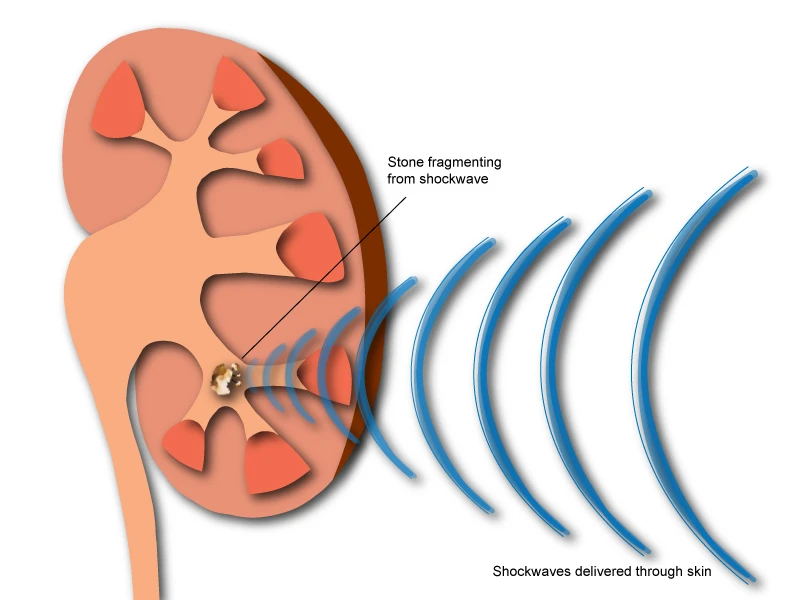
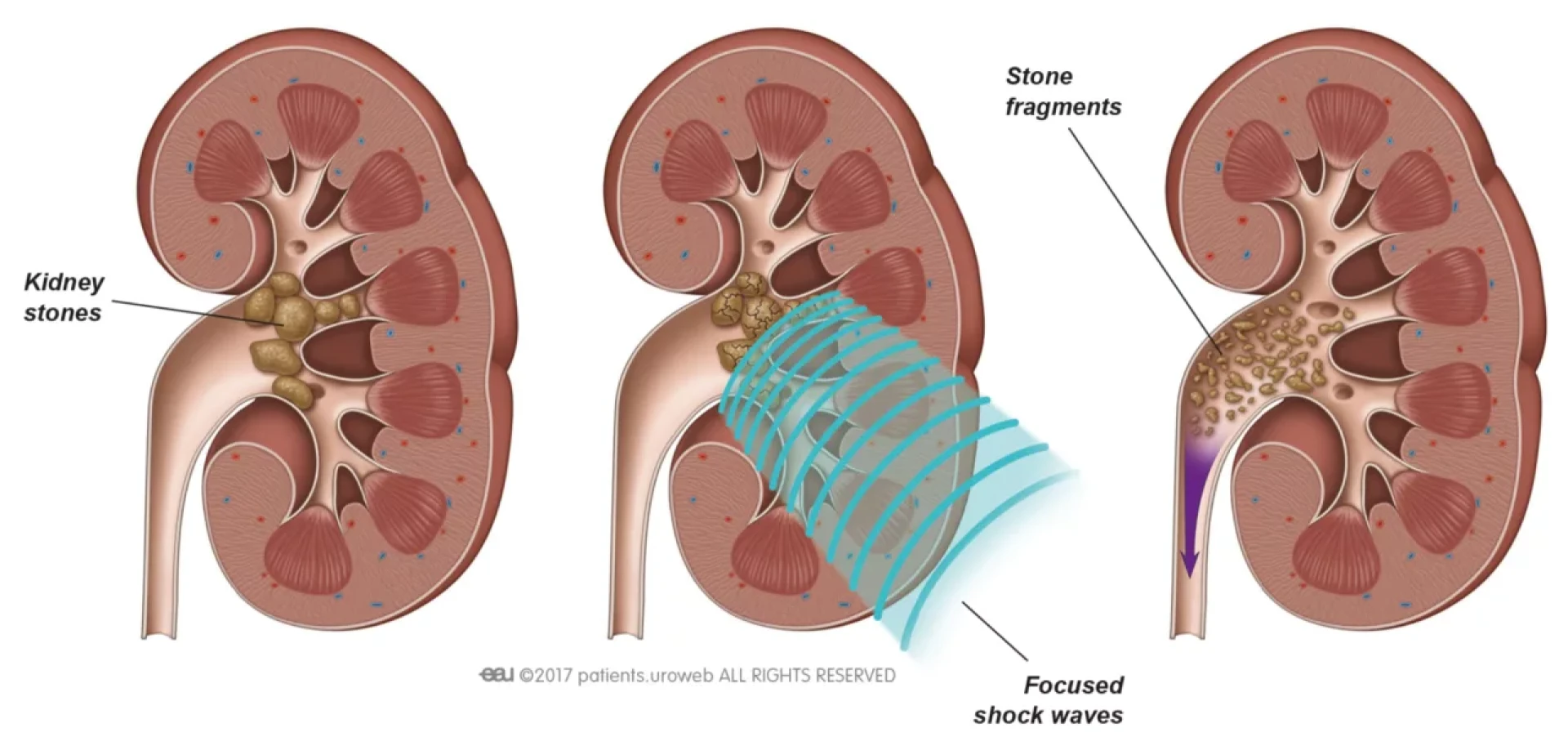
6. Recurrent Kidney Stones
Occasional kidney stones are common, but repeated episodes may indicate an underlying metabolic issue.
You should seek specialist care if:
- You’ve had multiple stone episodes
- Stones occur at a young age
- There is a strong family history
- Stones are large or complicated
Proper evaluation helps prevent recurrence.
7. Family History of Kidney Disease
Some kidney conditions are hereditary. If a close family member has kidney disease, early screening is important—even if you feel healthy.
Genetic conditions like polycystic kidney disease may not show symptoms in early stages but can progress over time.
8. Chronic Fatigue and Weakness
As kidney function declines, toxins build up in the blood, and anemia may develop.
Symptoms include:
- Constant tiredness
- Shortness of breath
- Pale skin
- Difficulty concentrating
These symptoms are often ignored but may indicate underlying kidney disease.
9. Electrolyte Imbalance
Your kidneys maintain the balance of essential minerals like sodium and potassium.
Abnormal blood reports showing:
- High potassium
- Low sodium
- Imbalanced calcium or phosphorus
require specialized evaluation, as severe imbalances can become life-threatening.
Why Early Consultation Matters
Kidney disease is often called a “silent disease” because symptoms appear only in advanced stages. Early consultation allows:
- Slowing disease progression
- Preventing kidney failure
- Avoiding dialysis
- Protecting heart health
- Improving quality of life
If you are searching for a kidney specialist in Bangalore, early evaluation can make a significant difference in long-term outcomes. At Shree Srinivasa Uro Care, patients receive comprehensive kidney evaluation, advanced diagnostic support, and personalized treatment plans designed to prevent complications and preserve kidney function.
Seeking expert care at the right time can help you avoid serious health issues in the future.
When Is It an Emergency?
Seek immediate medical attention if you experience:
- Sudden drop in urine output
- Severe breathlessness
- Chest pain
- Confusion
- Extremely high blood pressure
- Severe swelling
Acute kidney injury requires urgent treatment.
Who Should Get Annual Kidney Checkups?
You should undergo yearly kidney screening if you:
- Have diabetes
- Have high blood pressure
- Are above 60 years of age
- Have heart disease
- Have a family history of kidney problems
- Frequently use painkillers
- Are overweight
Preventive testing helps detect problems before symptoms begin.
Knowing when to see a kidney specialist can protect your health and prevent irreversible damage. Do not ignore abnormal lab results, persistent symptoms, or risk factors.
Your kidneys play a vital role in maintaining overall balance in your body. Early diagnosis, lifestyle changes, and timely medical care can help you live a healthier, longer life.
If you notice any warning signs or belong to a high-risk group, scheduling a consultation with a kidney specialist today could be the most important step toward safeguarding your future health.
Original Sources : - When Should You See a Kidney Specialist?



























Sign in to leave a comment.