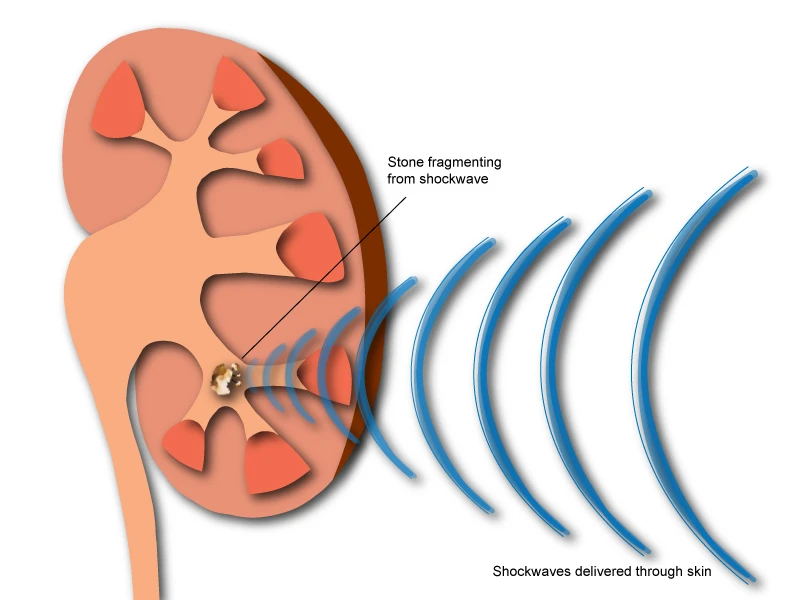

Kidney stones are one of the most painful urological conditions, affecting millions of people worldwide each year. The sharp, cramping pain caused by stones moving through the urinary tract can disrupt daily life and lead to emergency room visits. Fortunately, medical advancements have made treatment more effective and less invasive than ever before. One of the most reliable and widely used solutions today is advanced lithotripsy treatment.
If you or a loved one is struggling with kidney stones, understanding how lithotripsy works and what to expect can help you make informed decisions about your care.
What Are Kidney Stones?
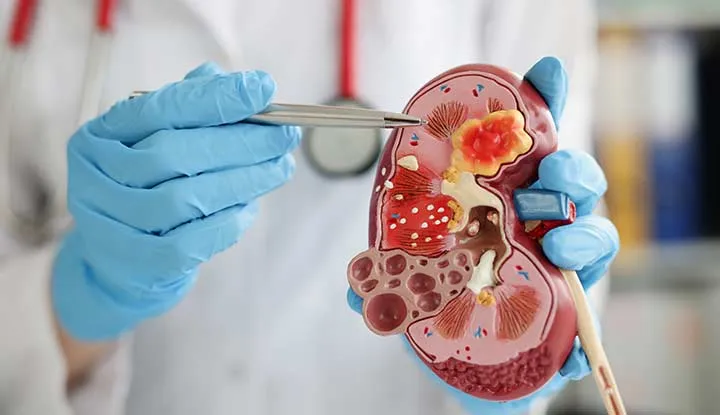
Kidney stones are hard mineral and salt deposits that form inside the kidneys. They develop when urine becomes concentrated, allowing minerals such as calcium, oxalate, and uric acid to crystallize and stick together.
Common symptoms of kidney stones include:
- Severe pain in the back, side, or lower abdomen
- Pain during urination
- Blood in the urine
- Nausea and vomiting
- Frequent urge to urinate
- Cloudy or foul-smelling urine
Small stones may pass naturally with hydration and medication. However, larger stones often require medical intervention — and that’s where lithotripsy comes in.
What Is Lithotripsy?
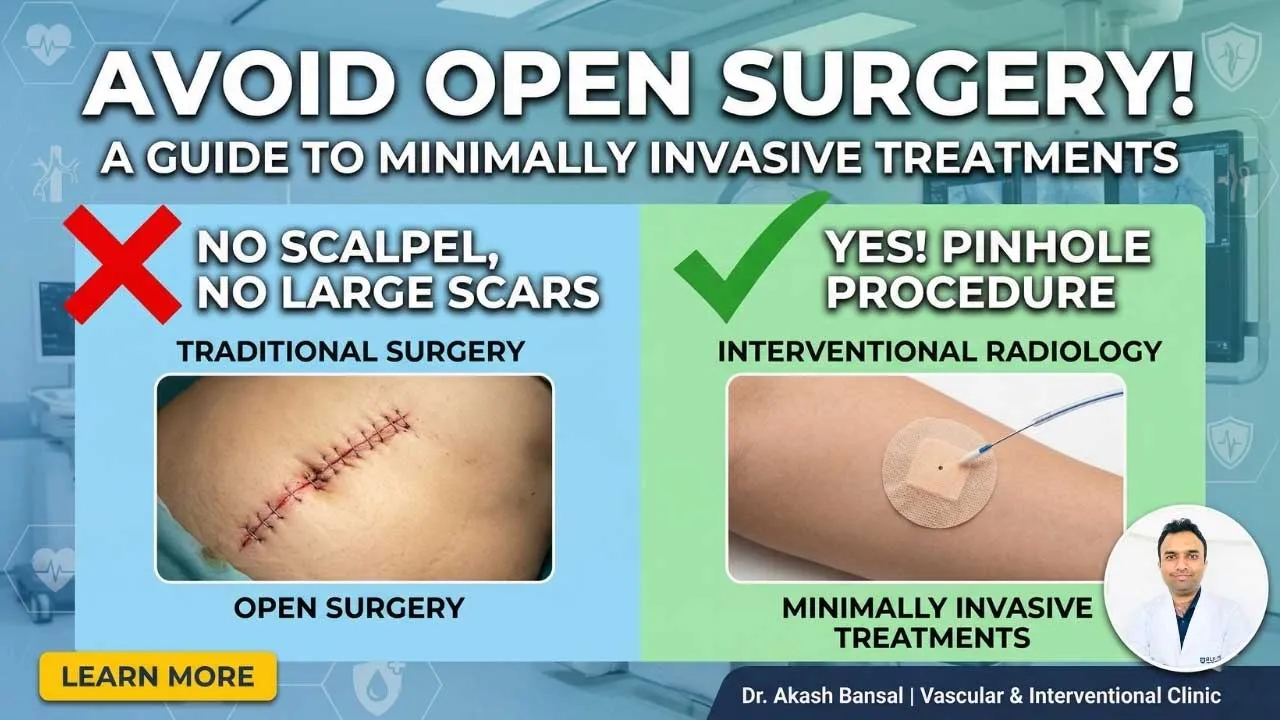
Lithotripsy is a minimally invasive procedure designed to break kidney stones into smaller fragments so they can pass more easily through the urinary tract. The term “lithotripsy” literally means “stone crushing.”
Unlike traditional surgery, lithotripsy does not require large incisions. Modern techniques use advanced technology such as shock waves or laser energy to target and fragment stones with precision.
Types of Advanced Lithotripsy Treatment
Today, there are two primary types of lithotripsy treatment used to treat kidney stones:
1. Extracorporeal Shock Wave Lithotripsy (ESWL)
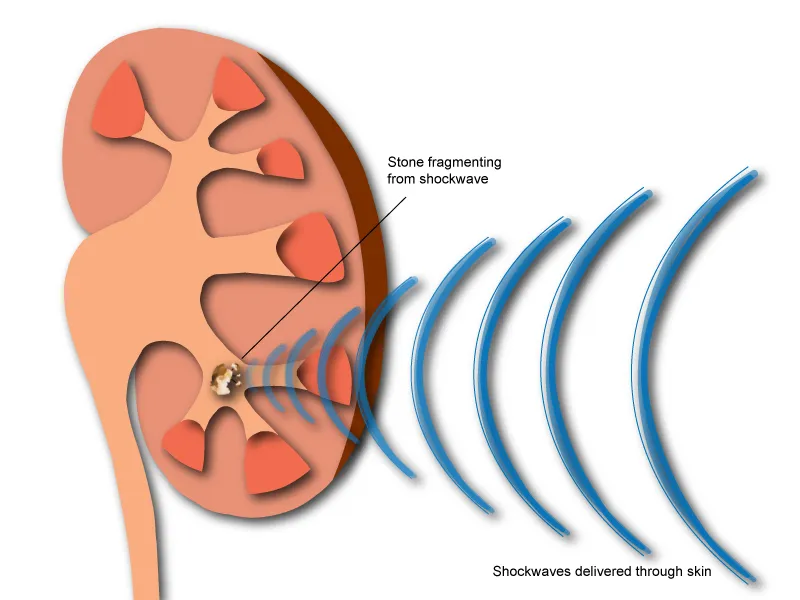
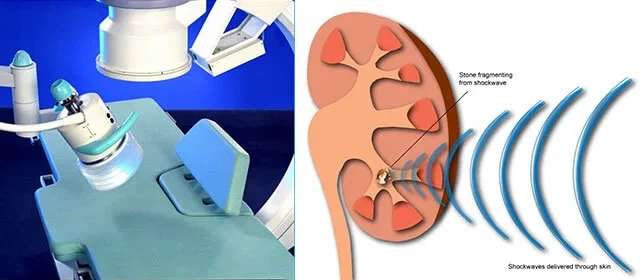
ESWL is the most common and non-invasive type of lithotripsy. In this procedure:
- Shock waves are generated outside the body.
- The waves are focused on the kidney stone using imaging guidance.
- The stone is broken into small pieces.
- Fragments pass naturally through urine over several days or weeks.
Benefits of ESWL:
- No surgical incisions
- Outpatient procedure
- Quick recovery time
- Minimal discomfort
ESWL is typically recommended for small to medium-sized stones located in the kidney or upper ureter.
2. Laser Lithotripsy (Ureteroscopy with Laser)
Laser lithotripsy is slightly more invasive but highly effective, especially for larger or stubborn stones.
During this procedure:
- A thin, flexible scope (ureteroscope) is inserted through the urethra and bladder into the ureter or kidney.
- A laser fiber is used to break the stone into tiny fragments.
- Fragments are either removed or left to pass naturally.
Benefits of Laser Lithotripsy:
- Highly precise
- Effective for larger stones
- Immediate stone removal possible
- Suitable for stones in difficult locations
This advanced approach offers high success rates and minimal recovery time.
For patients searching for reliable lithotripsy treatment in Bangalore, choosing an experienced urology center is essential. At Shree Srinivasa Uro Care, advanced diagnostic tools and modern lithotripsy techniques are used to provide safe, precise, and patient-focused treatment. The center specializes in minimally invasive procedures designed to ensure quicker recovery and reduced discomfort.
With expert urologists and state-of-the-art technology, patients receive personalized treatment plans tailored to the size, type, and location of their kidney stones. Timely intervention helps prevent complications such as infection or urinary blockage.
Who Is a Good Candidate for Lithotripsy?
Lithotripsy is generally recommended for patients who:
- Have stones too large to pass naturally
- Experience persistent pain
- Have urinary blockage
- Develop infection due to stones
- Have not responded to medication
Your doctor will determine the most suitable treatment based on:
- Stone size
- Stone location
- Stone composition
- Overall health condition
Imaging tests such as ultrasound, CT scans, or X-rays help guide the treatment plan.
What to Expect During the Procedure
Most lithotripsy procedures are performed on an outpatient basis, meaning you can go home the same day.
Before the Procedure
- You may be asked to fast for several hours.
- Blood and urine tests may be conducted.
- Imaging will confirm the stone’s position.
During the Procedure
- Sedation or anesthesia ensures comfort.
- The treatment typically lasts 30–90 minutes.
After the Procedure
- Mild discomfort or soreness is common.
- You may notice blood in your urine for a few days.
- Pain medication may be prescribed.
- Drinking plenty of water helps pass fragments.
Most patients resume normal activities within a few days.
Recovery and Aftercare
Recovery from advanced lithotripsy treatment is generally quick. However, proper aftercare is essential to prevent complications and future stone formation.
Post-treatment tips:
- Drink 2–3 liters of water daily
- Take prescribed medications as directed
- Avoid heavy physical activity for a few days
- Strain urine to collect stone fragments if advised
- Follow up with your doctor for evaluation
Your physician may also recommend dietary changes depending on the type of stone you had.
Advantages of Advanced Lithotripsy
Modern lithotripsy offers numerous benefits compared to traditional surgical removal:
- Minimally invasive
- Short hospital stay or same-day discharge
- Reduced risk of complications
- Faster recovery time
- High success rates
- Less post-operative pain
These advancements have made kidney stone treatment safer, more comfortable, and highly effective.
Are There Any Risks?
Although lithotripsy is considered safe, like any medical procedure, it carries some potential risks:
- Temporary blood in urine
- Mild bruising or discomfort
- Urinary tract infection
- Incomplete stone fragmentation
- Rarely, blockage from stone fragments
Choosing an experienced urologist significantly reduces these risks and improves outcomes.
Preventing Future Kidney Stones
After successful lithotripsy treatment, prevention becomes the next important step. Kidney stones have a tendency to recur, especially without lifestyle adjustments.
Prevention strategies include:
- Staying well hydrated
- Reducing salt intake
- Limiting oxalate-rich foods (spinach, nuts, chocolate)
- Eating a balanced diet
- Maintaining a healthy weight
- Following doctor-recommended dietary plans
In some cases, medications may be prescribed to prevent stone recurrence.
When to See a Doctor
Seek medical attention if you experience:
- Severe, unmanageable pain
- Fever or chills
- Difficulty urinating
- Persistent nausea or vomiting
- Heavy bleeding in urine
Early diagnosis and timely treatment can prevent complications and reduce suffering.
Kidney stones can be incredibly painful and disruptive, but you no longer have to live in fear of recurring attacks. Thanks to advanced lithotripsy treatment, patients can experience fast, effective, and minimally invasive relief.
Whether through shock wave therapy or precision laser technology, lithotripsy has transformed the way kidney stones are treated. With quick recovery times and high success rates, it offers a reliable path back to comfort and normalcy.
If you’re struggling with kidney stone symptoms, consult a qualified urologist to explore whether lithotripsy is the right solution for you. With the right care and preventive measures, you can truly say goodbye to kidney stones — and hello to a healthier, pain-free life.
Original sources : - Say Goodbye to Kidney Stones with Advanced Lithotripsy Treatment
























Sign in to leave a comment.