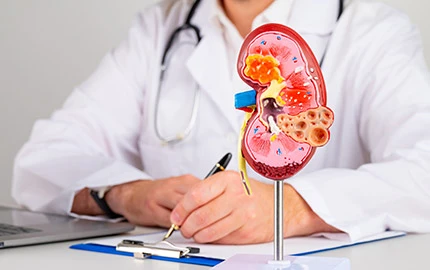

Kidney stones are a common and often painful urinary condition that affects millions of people worldwide. These hard mineral deposits form inside the kidneys and can vary in size—from tiny grains that pass unnoticed to larger stones that cause severe pain and complications. While immediate treatment focuses on relieving pain and removing stones, long-term management is essential to prevent recurrence. A comprehensive approach combining proper treatment, lifestyle changes, and preventive strategies can significantly reduce the risk of kidney stones returning.
Understanding Kidney Stones
Kidney stones form when certain substances in urine, such as calcium, oxalate, uric acid, or cystine, become concentrated and crystallize. Over time, these crystals can grow into stones. Factors such as dehydration, dietary habits, genetics, metabolic disorders, and certain medical conditions increase the risk of stone formation.
Common symptoms include sharp pain in the lower back or side, pain during urination, blood in urine, nausea, vomiting, and frequent urges to urinate. However, some stones may remain asymptomatic until they move within the urinary tract.
Kidney Stone Treatment Options
Treatment depends on the size, type, and location of the stone, as well as the severity of symptoms.
Conservative (Non-Surgical) Treatment
Small kidney stones often pass on their own with minimal intervention. Conservative treatment usually includes:
- Increased fluid intake to help flush the stone out
- Pain relievers to manage discomfort
- Medications such as alpha-blockers to relax the ureter and ease stone passage
Patients are often advised to strain their urine to catch the stone, allowing doctors to analyze its composition and plan preventive care.
Medical and Surgical Treatments
For larger stones or those causing severe pain, infection, or obstruction, medical procedures may be required:
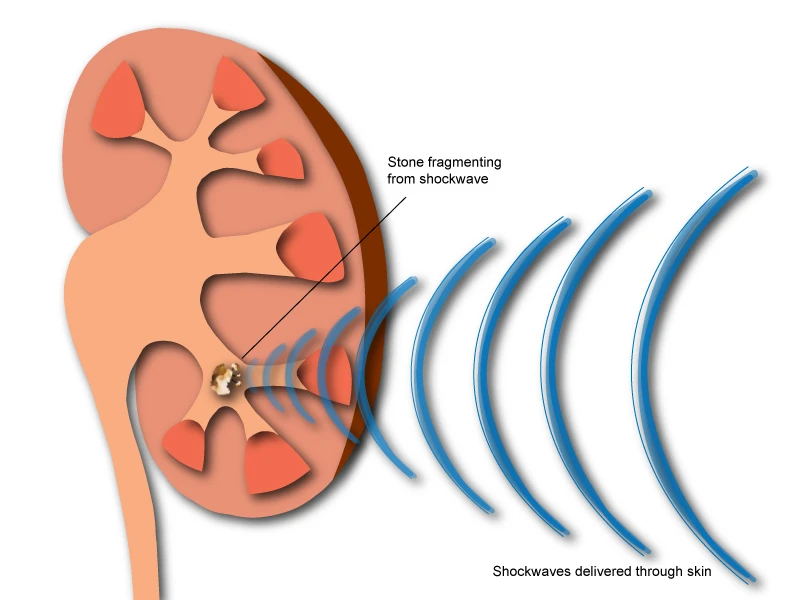
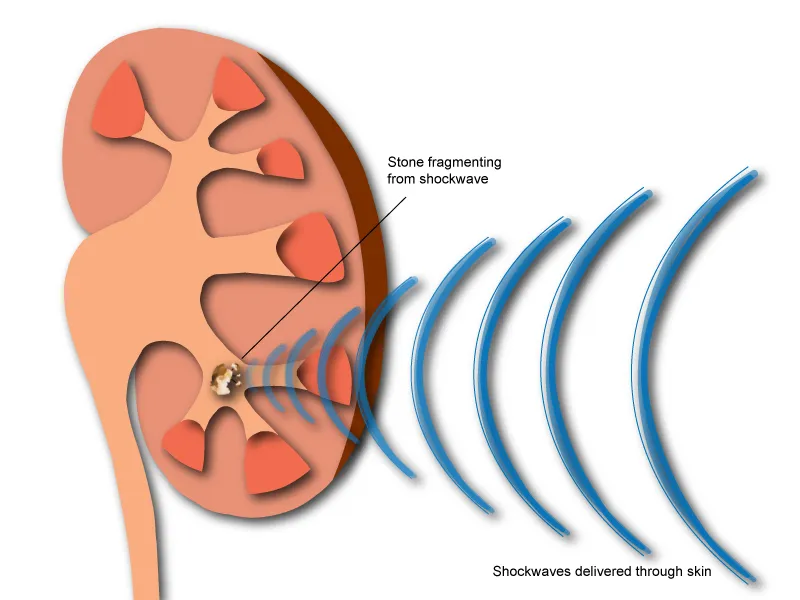
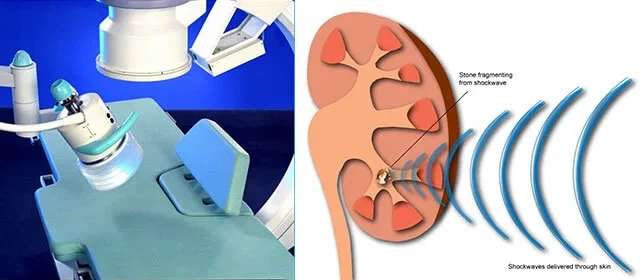
- Extracorporeal Shock Wave Lithotripsy (ESWL): Uses sound waves to break stones into smaller fragments that can pass naturally
- Ureteroscopy: A thin scope is passed through the urinary tract to remove or break stones
- Percutaneous Nephrolithotomy (PCNL): A minimally invasive surgical procedure used for very large or complex stones
Advances in medical technology have made these treatments safer, more effective, and associated with faster recovery times.
Why Long-Term Prevention Matters
One of the most challenging aspects of kidney stones is their tendency to recur. Studies show that individuals who have had one kidney stone are at a higher risk of developing another within a few years. This makes long-term prevention just as important as treatment.
Prevention strategies aim to reduce the concentration of stone-forming substances in urine and address underlying risk factors.
Patients seeking expert Kidney Stone Treatment in Bangalore benefit from access to advanced technology and experienced specialists. At Shree Srinivasa Uro Care, patients receive comprehensive evaluation and personalized treatment plans designed to ensure effective stone removal with minimal discomfort and faster recovery.
Lifestyle Changes for Kidney Stone Prevention
Stay Well Hydrated
Drinking enough fluids is the most effective way to prevent kidney stones. Adequate hydration dilutes urine and prevents minerals from crystallizing. Most individuals are advised to drink enough water to produce at least 2–2.5 liters of urine per day. Water is the best choice, while sugary and carbonated drinks should be limited.
Follow a Balanced Diet
Diet plays a major role in kidney stone prevention. Key dietary recommendations include:
- Limit sodium intake: High salt levels increase calcium excretion in urine
- Moderate animal protein: Excess red meat, poultry, and seafood can raise uric acid levels
- Maintain adequate calcium intake: Contrary to popular belief, dietary calcium helps bind oxalate in the gut and reduces stone risk
- Reduce oxalate-rich foods: Such as spinach, nuts, chocolate, and tea, especially for those prone to calcium oxalate stones
A diet rich in fruits, vegetables, and whole grains supports overall kidney health.
Maintain a Healthy Weight
Obesity and metabolic syndrome are associated with a higher risk of kidney stones. Regular physical activity and weight management can help reduce this risk and improve overall health.
Medical Prevention Strategies
Depending on the type of kidney stone, doctors may recommend medications to prevent recurrence:
- Thiazide diuretics to reduce calcium in urine
- Potassium citrate to increase urine citrate and prevent stone formation
- Allopurinol for patients with high uric acid levels
Regular follow-ups, urine tests, and imaging studies help monitor progress and adjust treatment plans as needed.
Managing Underlying Medical Conditions
Certain health conditions such as gout, hyperparathyroidism, urinary tract infections, and digestive disorders can increase stone risk. Proper management of these conditions plays a crucial role in long-term kidney stone prevention.
The Importance of Personalized Care
No two kidney stone cases are exactly alike. The most effective long-term approach involves personalized treatment and prevention plans based on stone type, medical history, lifestyle, and risk factors. Stone analysis and metabolic evaluation provide valuable insights that guide targeted prevention strategies.
Conclusion
Kidney stone treatment should not end once the stone is removed or passed. A long-term approach that focuses on prevention is essential to reduce recurrence, avoid complications, and improve quality of life. Through proper hydration, dietary adjustments, lifestyle changes, and medical management, most people can significantly lower their risk of developing kidney stones again. Early intervention, patient education, and consistent follow-up care are key to maintaining long-term kidney health.
Original Sources : - Kidney Stone Treatment and Prevention: A Long-Term Approach


























Sign in to leave a comment.