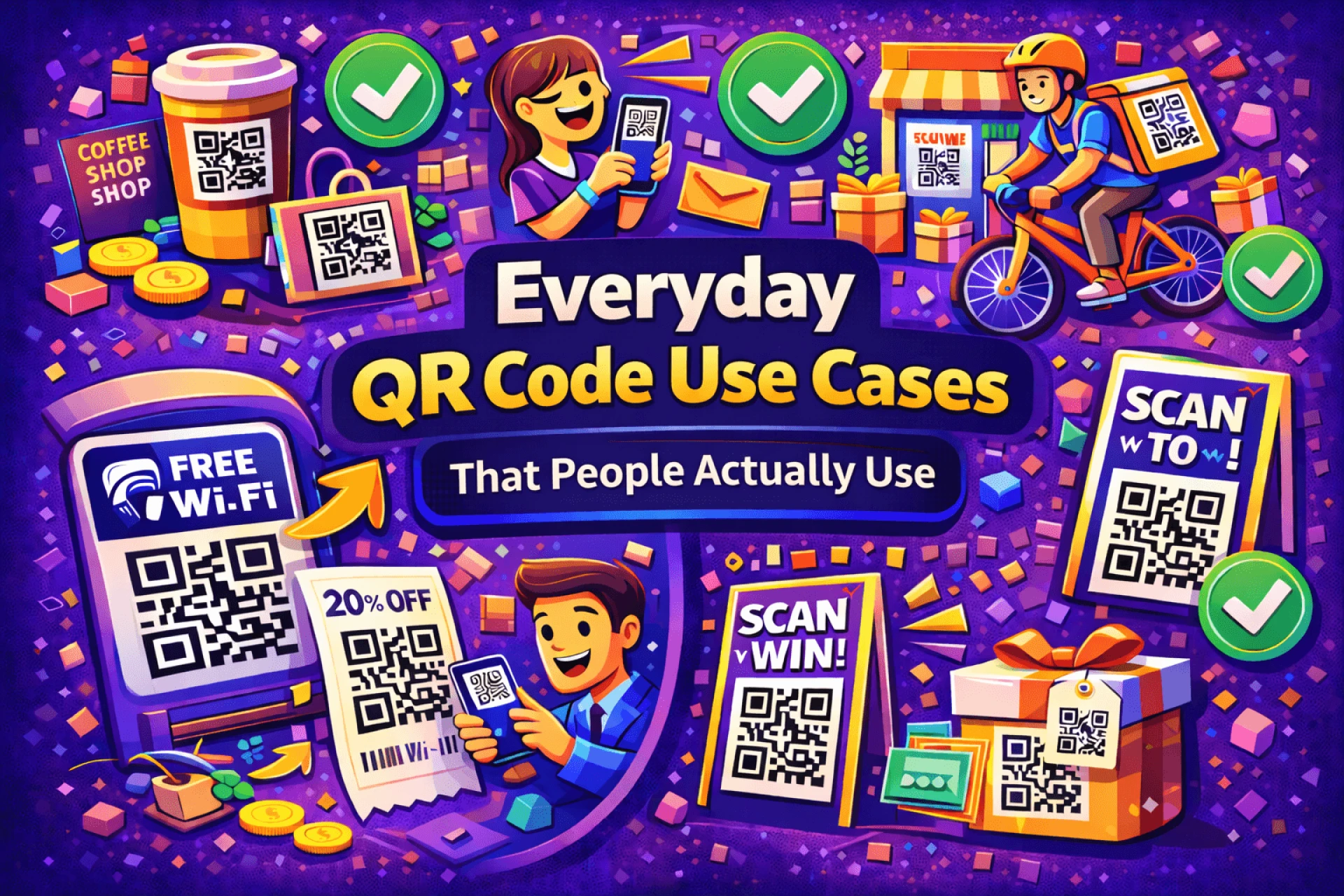

QR codes are no longer a novelty. They’re part of everyday routines — but only when they solve a real problem. Some QR codes feel natural and useful, while others feel unnecessary. The difference comes down to timing, context, and relevance.
Below are everyday QR code use cases that consistently work, along with the reasons people actually use them.
Food, Drinks, and Hospitality
Restaurants, cafés, and bars use QR codes more effectively than almost any other industry.
Common uses include:
- Menus and drink lists
- Daily specials
- Online ordering
- Ingredient and allergy details
Why this works:
Customers want fast access to information, and menus change frequently. QR codes provide instant updates without reprinting.
Events, Venues, and Entry Points
QR codes are common at concerts, conferences, and public venues.
Typical applications:
- Digital tickets
- Entry verification
- Event schedules
- Maps and directions
Why this works:
Phones are already in hand, and scanning reduces waiting time and confusion.
Product Packaging and Support
Packaging space is limited, but QR codes extend it.
They’re often used to connect customers to:
- Setup instructions
- User manuals
- Video tutorials
- Support pages
Why this works:
Information is available only when needed, keeping packaging clean and helpful.
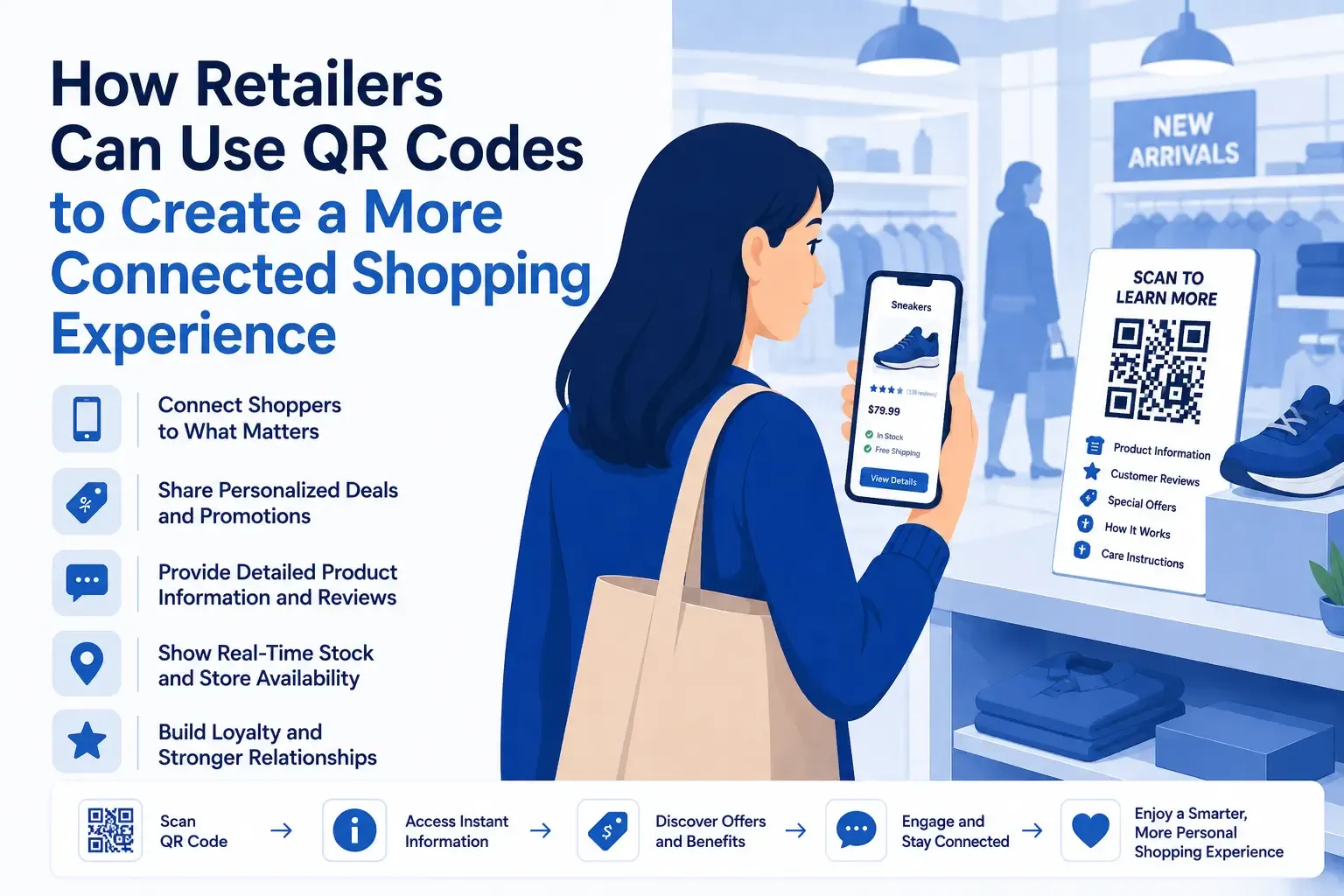
Retail and Product Discovery
In-store QR codes often help shoppers make decisions.
Common uses include:
- Product details
- Reviews and ratings
- Size and fit guides
- Special offers
Why this works:
Shoppers want answers while they’re deciding, not after leaving the store.
Learning and Training
QR codes are widely used in education and training environments.
Examples include:
- Linking printed material to videos
- Providing extra reading
- Accessing quizzes or exercises
Why this works:
Learners control when they engage with additional material.
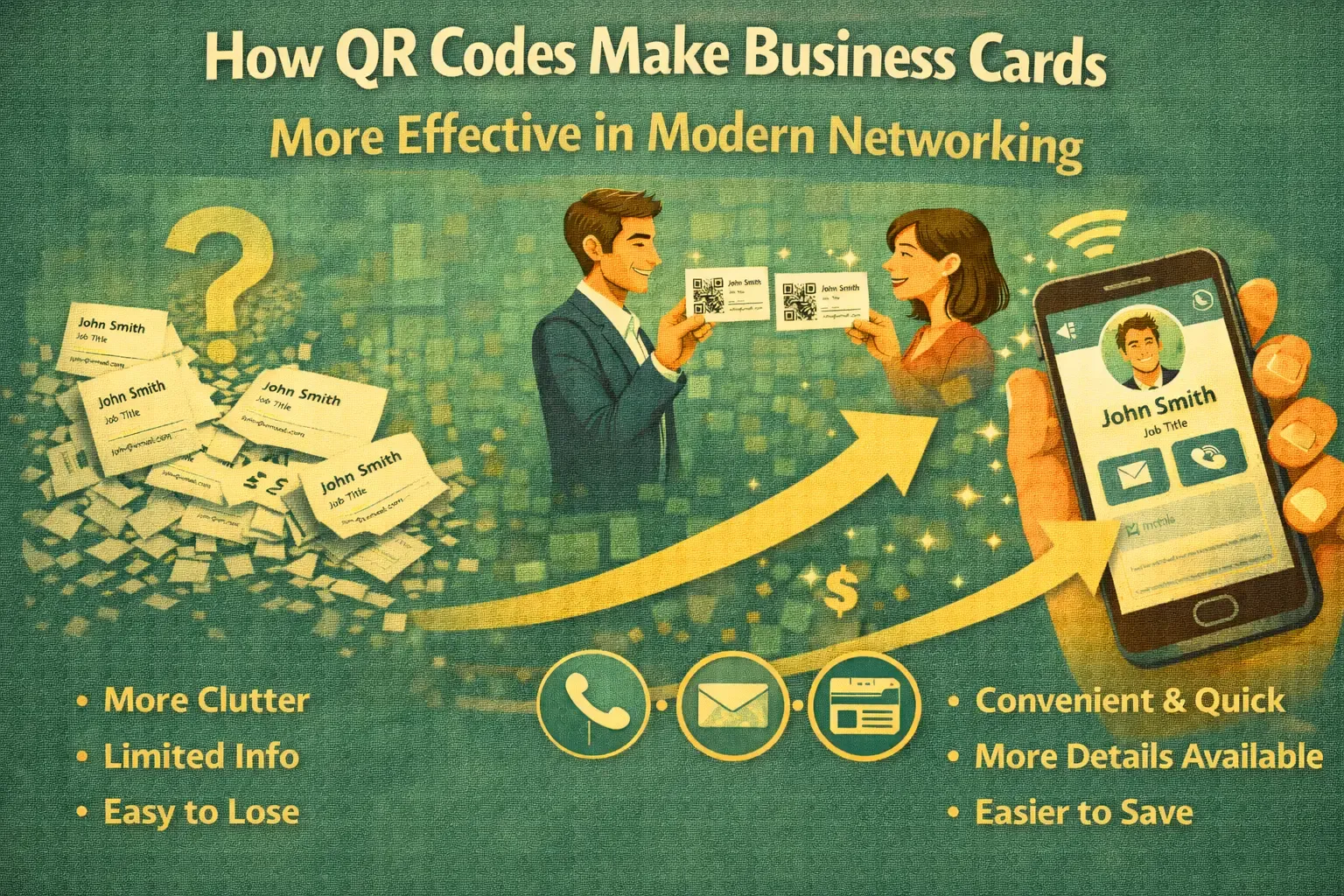
Professional Networking
QR codes simplify sharing professional information.
They’re used to:
- Save contact details
- Open portfolios or resumes
- Link to personal or company websites
Why this works:
Scanning avoids typing mistakes and keeps information current.
Feedback and Reviews
QR codes make feedback easier when timing matters.
Typical uses:
- Review requests
- Feedback forms
- Short surveys
Why this works:
Lower effort increases response rates.
Internal Business Operations
Many effective QR code uses are internal.
Examples include:
- Inventory management
- Equipment labeling
- Accessing internal documentation
- Maintenance tracking
Why this works:
Quick access to information beats complex systems.
Why Some QR Codes Get Ignored
QR codes usually fail when:
- There’s no clear reason to scan
- The destination isn’t mobile-friendly
- The content doesn’t match the moment
- Scanning feels inconvenient
Successful QR codes always respect the user’s context.
Choosing the Right QR Code Setup
Printed or long-term QR codes often need flexibility.
Tools like QRColor make it easier to create QR codes that fit real-world use cases while staying easy to scan and manage.
Example here:
👉 https://qrcolor.com
Final Thoughts
The most effective QR codes don’t feel like marketing tactics. They feel like shortcuts that save time. When QR codes appear at the right moment and lead to genuinely useful content, people scan without hesitation.
That’s what separates QR codes that get used from those that get ignored.

























Sign in to leave a comment.