
QR codes work best when they don’t feel like an interruption. The most successful QR codes blend into the experience, feel easy to use, and clearly explain why they’re worth scanning.
Below are practical best practices that help QR codes get scanned more often — without frustrating or confusing people.
Be Clear Before the Scan Happens
A QR code should never rely on curiosity alone.
Before scanning, people want to know:
- What will open?
- What value will I get?
- Is this relevant right now?
Best practice:
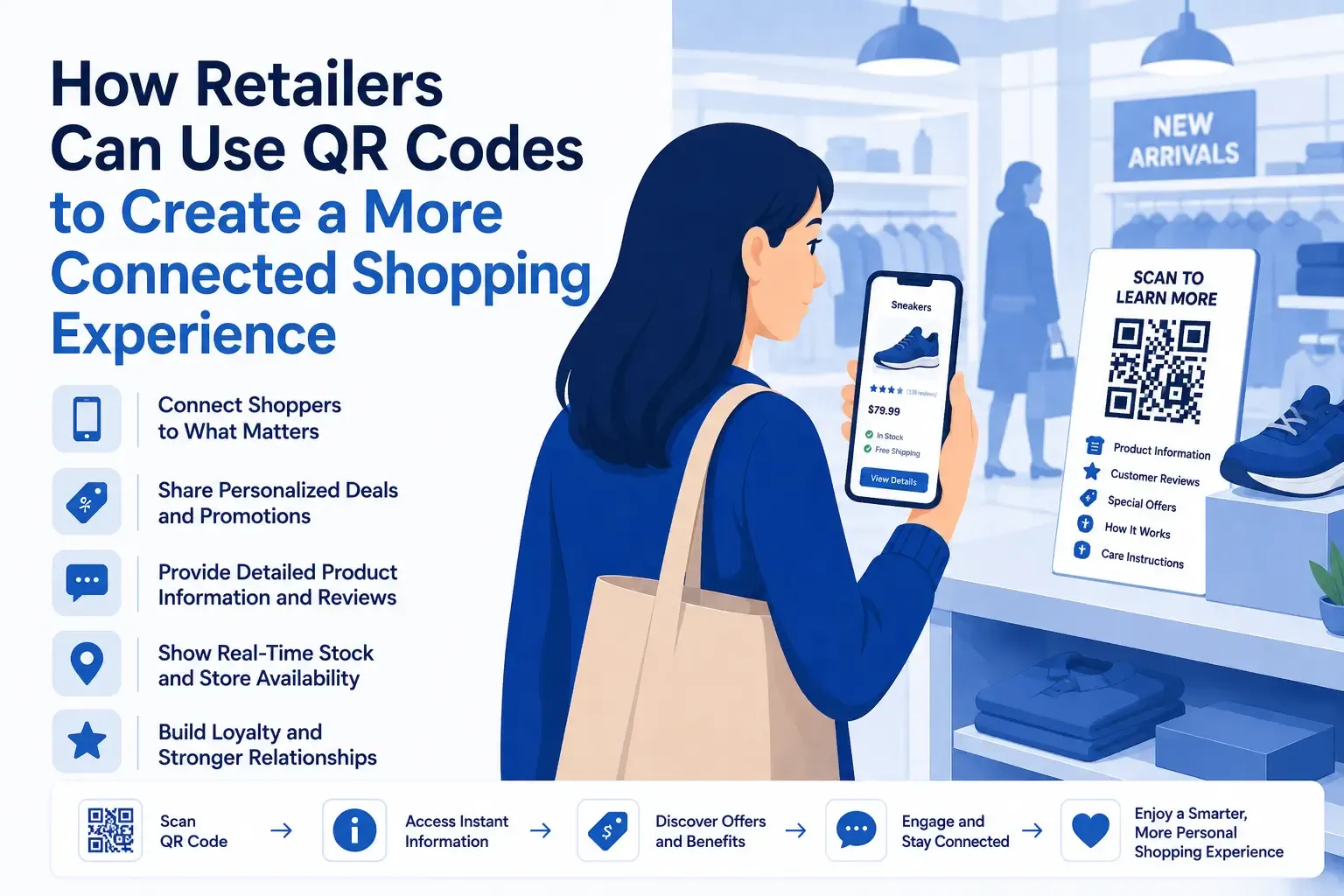
Add a short, specific explanation next to the QR code:
- “Scan to see today’s menu”
- “Scan to download the guide”
- “Scan to access the offer”
Clear expectations remove hesitation.
Match the Destination to the Promise
What happens after the scan should match exactly what was advertised.
Best practice:
Avoid linking to general homepages. Instead, send users directly to:
- A focused landing page
- A demo or explainer
- A sign-up or registration form
- A specific promotion
The fewer choices users face, the more likely they are to continue.
Design for Real Environments, Not Perfect Screens
QR codes are scanned in the real world — not in ideal conditions.
Best practice:
- Use strong contrast between the QR code and its background
- Make the code large enough to scan quickly
- Leave clear space around the code
- Avoid glossy or reflective surfaces
If scanning requires effort, most people won’t try.
Place QR Codes Where People Naturally Pause
Good placement often matters more than good design.
Best practice:
Place QR codes:
- At eye level when possible
- Near points where people stop or wait
- In locations where holding a phone feels comfortable
Avoid placing QR codes too high, too low, or in cluttered visual areas.
Treat the Mobile Page as Part of the QR Code
The QR code experience doesn’t end at the scan.
Best practice:
Ensure the destination page:
- Loads quickly on mobile devices
- Uses readable text sizes
- Has clear, tappable buttons
- Keeps actions short and simple
A slow or confusing page wastes the scan.
Use QR Codes That Allow Updates
Printed QR codes often stay in use longer than expected.
Best practice:
Choose QR codes that can be updated when:
- The destination might change
- The QR code will be reused
- Tracking or analytics are useful
This flexibility prevents broken links and reprints.
Customize Carefully
Branding can help QR codes feel more trustworthy — but only if scannability is preserved.
Best practice:
- Maintain strong contrast
- Avoid heavy decoration
- Keep the core QR structure intact
- Test after any customization
Tools like QRColor help balance customization with reliable scanning.
You can see an example here:
👉 https://qrcolor.com
Test Before Anything Goes Live
This step is often skipped and often regretted.
Best practice:
Before publishing or printing:
- Scan the QR code with multiple phones
- Test it in different lighting conditions
- Confirm the correct page opens every time
A few minutes of testing can prevent costly mistakes.
Improve Based on Real Use
QR codes shouldn’t be “set and forget.”
Best practice:
When possible, review scan data to learn:
- Whether people are scanning
- Which placements work best
- When engagement happens
Even simple insights help improve future placement and messaging.
Final Thoughts
QR codes are most effective when they respect the user’s time. Clear messaging, thoughtful placement, easy scanning, and mobile-friendly destinations make QR codes feel helpful instead of intrusive.
Follow these best practices, and QR codes stop being ignored — and start being used.

























Sign in to leave a comment.